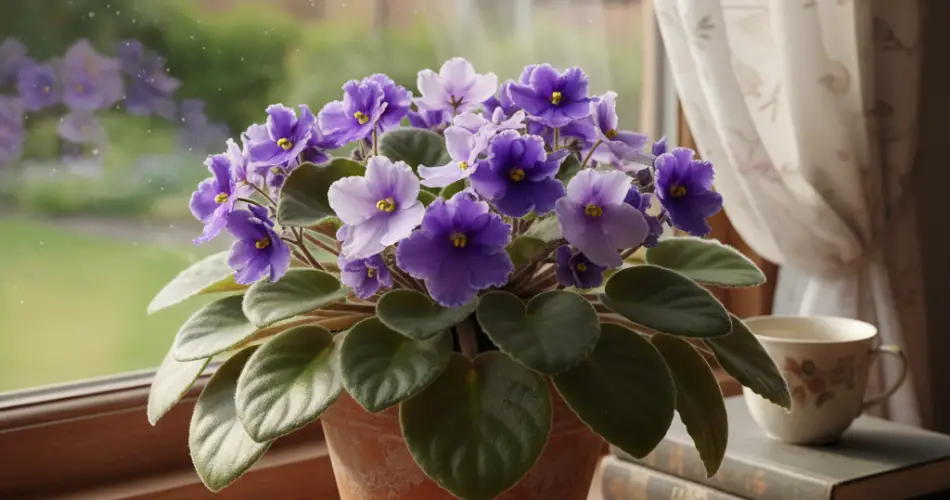
African violets (Saintpaulia) are among the most beloved indoor flowering plants, prized for their compact size, velvety leaves, and clusters of delicate blooms in shades of purple, pink, blue, and white. While they are not difficult to grow, their ability to flower consistently depends heavily on one key factor: light.
Providing the right type and amount of light is essential if you want your African violets to thrive and reward you with continuous blooms. Let’s explore their light requirements, how to balance exposure, and practical tips to create the perfect conditions.
Why Light Is So Important
For African violets, light is more than just a growth factor—it is the trigger for flowering. Without enough light, they will grow leaves but fail to produce blooms. Too much light, on the other hand, can damage their tender foliage. Striking the right balance ensures the plant has enough energy to produce flowers while maintaining its signature lush green leaves.
Best Light Conditions Indoors
African violets prefer bright, indirect light. Direct sun can burn their delicate, fuzzy leaves, while too little light results in weak, non-flowering plants.
-
East-facing windows are often ideal, as they provide gentle morning sunlight.
-
North-facing windows work well in bright climates, though they may not provide enough intensity in winter.
-
South- or west-facing windows can also be suitable if filtered with sheer curtains or if the plant is placed a few feet back from the window.
A good rule of thumb is that the plant should receive 10–12 hours of light per day and 8 hours of darkness for proper blooming cycles.
Can African Violets Grow in Low Light?
African violets can survive in low light but rarely bloom in such conditions. If your plant produces many leaves but no flowers, insufficient light is often the cause. Signs of low light include:
-
Long, stretched stems as the plant reaches for light.
-
Small or pale leaves.
-
Lack of buds and blooms.
To correct this, move the plant closer to a window with filtered light or consider using artificial lighting.
Artificial Light for African Violets
One of the great things about African violets is their adaptability to artificial light. Many growers, especially those in less sunny climates, use fluorescent or LED grow lights to provide consistent lighting.
-
Full-spectrum grow lights are best because they mimic natural sunlight.
-
Position lights about 12–15 inches above the plants.
-
Keep them on for 12–14 hours a day for best results.
Artificial lighting often leads to more predictable blooming cycles, making it a popular option among collectors and enthusiasts.
Outdoor Light Considerations
Although African violets are usually grown indoors, they can be placed outdoors in mild climates during warm months. If doing so, ensure they remain in shaded or semi-shaded spots. Direct sun, even for a short time, can scorch their fuzzy leaves. A shaded porch, under a tree canopy, or on a patio where they get dappled light works best. Always bring them indoors if temperatures drop below 60°F (15°C).
Seasonal Adjustments
Like many plants, African violets respond to changes in seasonal light:
-
Summer: Sunlight is more intense, so move them back from windows or add curtains to soften rays.
-
Winter: Place them closer to bright windows or supplement with grow lights to compensate for shorter days.
Rotating the plant every couple of weeks also helps ensure balanced growth and prevents it from leaning toward the light source.
Signs of Too Much Light
While insufficient light is the most common issue, too much light can also harm African violets. Symptoms include:
-
Brown or bleached patches on leaves.
-
Leaves curling downward.
-
Smaller, brittle foliage.
If you notice these signs, move your plant farther from the window or provide filtered light.
Practical Tips for Light Success
-
Place African violets near east-facing windows for balanced exposure.
-
Use sheer curtains in sunnier spots to filter direct rays.
-
Rotate pots regularly for even growth.
-
Combine natural and artificial light for year-round blooms.
-
Observe the plant’s growth—its leaves and flowers are the best indicators of whether light conditions are right.
Final Thoughts
African violets are charming houseplants that reward proper care with continuous, colorful blooms. While they can adapt to different indoor conditions, their success depends largely on getting enough bright, indirect light.
If your plant isn’t flowering, adjusting its light source is often the solution. Whether you rely on windowsills, grow lights, or a mix of both, providing the right balance of light will keep your African violets healthy, vibrant, and blooming throughout the year.
With the right lighting care, these little treasures can brighten your home with color and charm for many years.


