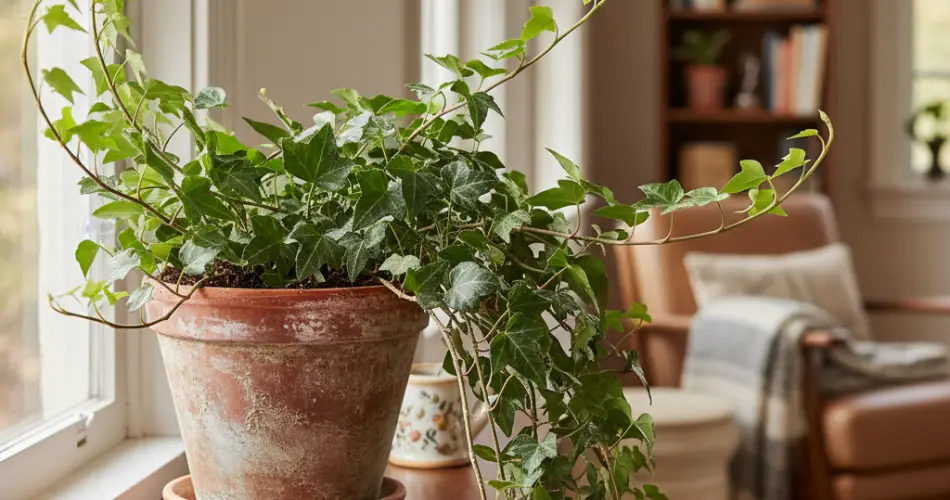
English ivy (Hedera helix) is a classic houseplant, valued for its trailing vines, glossy leaves, and ability to enhance indoor spaces with a touch of greenery. Its versatility makes it perfect for hanging baskets, shelves, and trellises, and it can even climb walls or window frames, adding natural charm to any room. Despite its hardy reputation, one of the most common questions among plant enthusiasts is: How much sunlight does English ivy really need indoors? Understanding its light requirements is key to promoting healthy growth, vibrant foliage, and long-lasting indoor vitality.
Understanding English Ivy Light Preferences
Native to Europe and Western Asia, English ivy naturally grows as a climbing or trailing plant in forested areas, often under the canopy of taller trees. This environment exposes the plant to bright, indirect light, making it well-suited for indoor conditions where direct sun is limited. While English ivy is adaptable and can tolerate lower light levels, proper lighting is essential for maintaining its lush green leaves, preventing leggy growth, and encouraging strong vines.
Ideal Sunlight Conditions
-
Bright, Indirect Light: For optimal growth, English ivy should receive bright, indirect sunlight for several hours daily. East- or north-facing windows typically provide the right intensity without risking leaf burn. Bright indirect light promotes vigorous growth, deep green foliage, and fuller vines.
-
Low Light Tolerance: English ivy can tolerate moderate to low light indoors, such as rooms with north-facing windows or areas further from windows. While it will survive, growth may slow, leaves may become smaller, and vines may stretch toward light sources, causing a leggy appearance.
-
Avoid Harsh Direct Sunlight: Direct sun, especially from south- or west-facing windows, can scorch leaves, leaving brown edges or bleached patches. Variegated varieties are particularly sensitive to strong sunlight and may lose their distinctive patterns if exposed for too long.
Signs Your English Ivy Is Receiving Too Much or Too Little Light
Observing your plant helps determine whether it is receiving the appropriate sunlight:
-
Too Little Light: Growth slows, leaves may appear pale or smaller, and vines may elongate in search of light. Variegation may fade, and the plant may appear sparse or weak.
-
Too Much Light: Leaves develop brown tips or scorch marks, and intense light can stress the plant, potentially causing leaf drop.
-
Optimal Light: Healthy English ivy has deep green, glossy leaves, evenly spaced vines, and strong, compact growth. Variegated varieties retain their patterns, and new growth appears vibrant and healthy.
Tips for Providing Optimal Sunlight
-
Choose the Right Location: Position English ivy near bright windows that provide indirect sunlight for several hours each day. East-facing windows work best, while south- and west-facing windows may need sheer curtains to filter intense rays.
-
Rotate the Plant: Turn your ivy every few weeks to ensure even light exposure, promoting balanced growth and preventing leaning vines.
-
Supplement with Artificial Light: In low-light rooms, fluorescent or LED grow lights can provide 12–14 hours of light daily. Position lights above the plant, keeping them at an appropriate distance to avoid leaf scorch.
-
Gradual Light Adjustments: When moving the plant to a brighter spot, do so gradually to prevent leaf stress or sunburn.
Additional Care Considerations
While sunlight is critical, other factors also affect English ivy health:
-
Watering: Bright light increases soil drying, requiring more frequent watering. In lower-light areas, soil may retain moisture longer, so adjust watering accordingly. Avoid waterlogged soil to prevent root rot.
-
Temperature: English ivy prefers temperatures between 50°F and 70°F (10°C–21°C). Keep the plant away from drafts, heating vents, and cold windows.
-
Humidity: Ivy prefers moderate humidity. Low indoor humidity may cause leaf browning; occasional misting or a pebble tray can help maintain moisture levels.
-
Soil: Use a well-draining potting mix to support root health and prevent waterlogging. Proper drainage is especially important when light levels accelerate soil drying.
Benefits of Proper Light
Providing the right amount of sunlight has numerous benefits:
-
Vibrant, Glossy Leaves: Adequate light maintains deep green foliage and enhances variegation in patterned varieties.
-
Balanced Growth: Proper lighting encourages strong, even vines and prevents legginess or sparse growth.
-
Resilient Health: Well-lit plants are more resistant to stress, pests, and disease, requiring less maintenance.
-
Extended Longevity: Healthy light conditions support long-lasting indoor vitality, allowing English ivy to flourish for years.
Conclusion
English ivy is a versatile and resilient indoor plant that thrives in bright, indirect sunlight. While it can tolerate moderate to low light, optimal conditions encourage lush foliage, strong vines, and overall plant vitality. Direct sunlight should be avoided to prevent leaf scorch, and artificial lighting can supplement low-light environments. By selecting the right location, rotating the plant, and monitoring leaf and vine health, you can enjoy a thriving English ivy that adds elegance, greenery, and a natural aesthetic to your indoor space for years to come.


