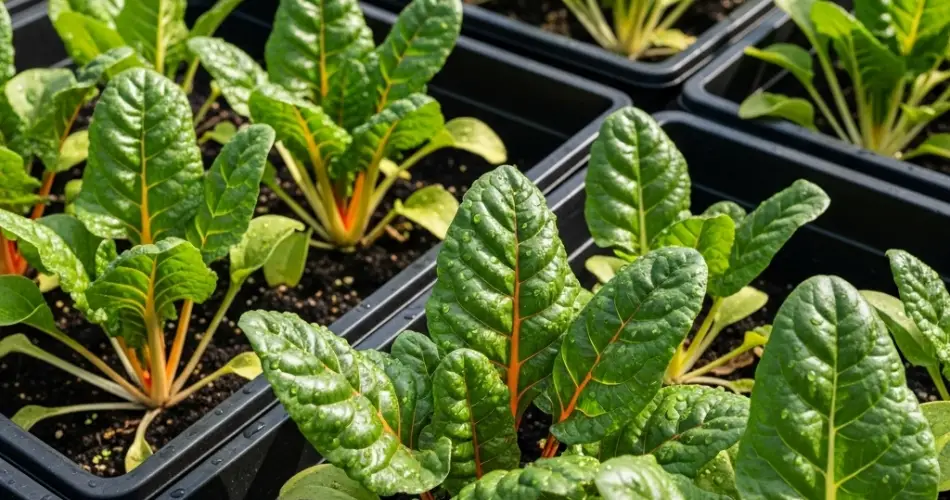
Swiss chard is one of the most vibrant and nutrient-rich greens you can grow at home. Known for its colorful stalks and leafy greens, chard is packed with vitamins A, C, and K, as well as magnesium and iron. The good news? You don’t need a backyard to enjoy a healthy harvest. With just a few plastic containers and a sunny spot, you can grow Swiss chard in a compact and productive garden—even on a balcony or windowsill.
Why Grow Swiss Chard in Plastic Containers?
Swiss chard is a versatile and forgiving plant that thrives in containers. Its shallow root system, tolerance for varied conditions, and long harvest window make it ideal for small-space gardening. Plastic containers are especially practical: they’re lightweight, easy to move, and often readily available for repurposing.
Whether you reuse storage tubs, old buckets, or food-grade containers, you’re not only saving money but also giving new life to plastic that might otherwise go to waste. With good drainage and quality soil, Swiss chard can flourish just as well in containers as it does in garden beds.
Materials You’ll Need
To get started, gather the following:
-
A plastic container (at least 8–10 inches deep)
-
Potting mix rich in compost or organic matter
-
Swiss chard seeds (rainbow or green varieties)
-
Watering can or spray bottle
-
A small trowel or spoon
-
A drill or sharp object to create drainage holes
Choose a wide container if you plan to grow multiple plants. Chard needs about 6 inches of space between plants for optimal leaf development. Make sure the container has holes at the bottom to allow excess water to drain.
Preparing the Container
-
Drill Drainage Holes: Use a drill or heated nail to create 4–6 small holes in the bottom of the container. This prevents water from accumulating and causing root rot.
-
Add Soil: Fill the container with a quality potting mix enriched with compost or worm castings. Leave about 1 inch of space at the top.
-
Moisten Soil: Lightly water the soil to ensure it’s damp before planting.
Place the container in a sunny location—Swiss chard grows best with 5–6 hours of sunlight per day, though it can tolerate some shade.
Planting Swiss Chard Seeds
Swiss chard seeds are slightly larger than most leafy greens, making them easy to handle. Here’s how to plant them:
-
Sow seeds about ½ inch deep and 2–3 inches apart.
-
Cover gently with soil and press down lightly.
-
Water gently using a spray bottle or fine mist from a watering can.
Germination takes about 7–10 days. Once seedlings reach about 2–3 inches tall, thin them to allow about 6 inches between each plant. You can transplant the extras to another container or enjoy them as microgreens.
Ongoing Care
Swiss chard is relatively low-maintenance but still needs consistent care for healthy growth.
-
Watering: Keep the soil consistently moist but not waterlogged. In warm climates, containers dry out quickly, so check soil daily.
-
Feeding: Every two weeks, apply a diluted organic fertilizer or compost tea to keep the plants productive.
-
Mulching: You can add a thin layer of mulch on top of the soil to retain moisture and reduce weed growth.
Watch for yellowing leaves, which can indicate overwatering or nutrient deficiency. Remove damaged or yellow leaves regularly to promote new growth and airflow.
Pest and Disease Management
Swiss chard grown in containers is less prone to pests than ground-grown plants, but it’s still good to stay alert. Common pests include aphids, flea beetles, and leaf miners.
-
Inspect the undersides of leaves regularly.
-
Handpick any visible pests or rinse them off with water.
-
Apply neem oil or a homemade garlic spray to deter insects if needed.
To prevent disease, ensure good airflow between plants and avoid overhead watering.
Harvesting Swiss Chard
You can begin harvesting Swiss chard leaves when they are about 6–8 inches tall, usually 4–6 weeks after planting. Use the “cut-and-come-again” method:
-
Cut the outer, larger leaves at the base, leaving the inner ones to continue growing.
-
Always harvest with clean scissors or a knife to avoid damaging the plant.
-
Don’t remove more than one-third of the plant at a time to ensure continued growth.
With proper care, Swiss chard can be harvested multiple times over several months. It’s a resilient crop that performs well in cooler and mild weather, making it a great choice for year-round growing in many climates.
Replanting and Rotation
Once your chard has completed its life cycle or starts to bolt (flower), pull the plant and refresh the soil with compost. You can rotate in other leafy greens like kale, lettuce, or spinach to keep your container garden productive.
Growing healthy Swiss chard in plastic containers is a simple and effective way to enjoy fresh, homegrown greens without the need for a traditional garden. With a little effort and a few recycled materials, you can create a vibrant, sustainable mini-garden that provides color, nutrition, and satisfaction right from your patio, balcony, or kitchen window.


