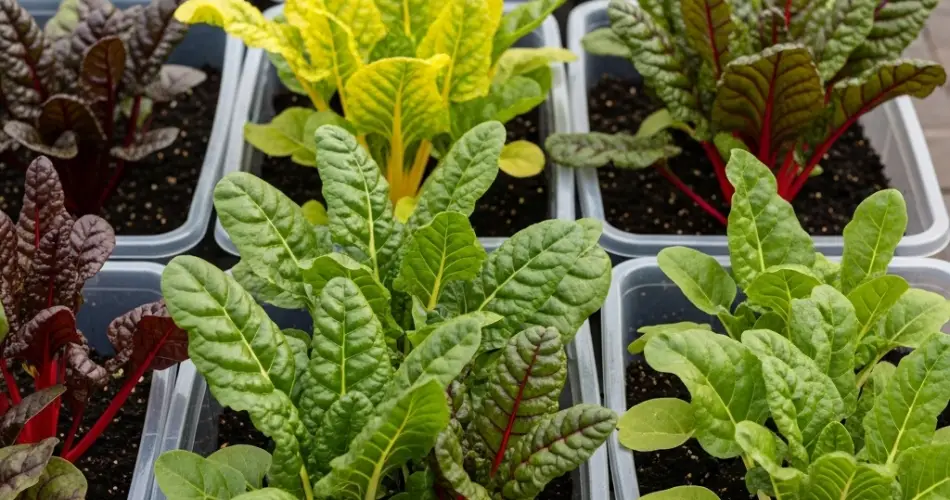
Swiss chard is one of the most versatile and attractive leafy greens you can grow at home. Known for its colorful stalks and broad, glossy leaves, chard is packed with vitamins A, C, and K, as well as minerals like magnesium and iron. And the best part? You don’t need a garden to grow it. By reusing plastic bottles, you can grow Swiss chard right on your balcony, windowsill, or porch, giving you access to fresh, homegrown greens year-round.
Bottle gardening is an eco-conscious solution that not only recycles plastic waste but also makes growing vegetables possible in the tightest of spaces. Here’s a detailed guide on how to grow Swiss chard in plastic bottles with success.
Why Grow Swiss Chard in Bottles?
Swiss chard is an ideal candidate for container gardening. It has shallow roots and grows well in confined spaces, making it perfect for small pots, vertical planters, or upcycled bottles. Plastic bottles, especially the 2-liter type, are easy to come by, lightweight, and simple to hang or stack, allowing you to turn unused walls or balcony rails into productive green spaces.
Growing Swiss chard in bottles offers several benefits:
-
Saves space and money
-
Reduces household plastic waste
-
Allows flexible garden setup in small areas
-
Makes daily harvesting of fresh greens easy and convenient
What You’ll Need:
-
Clean 2-liter plastic bottles
-
Sharp knife or cutter
-
Nail or screwdriver (for making holes)
-
High-quality potting mix or compost-rich soil
-
Swiss chard seeds (any variety—rainbow types add visual interest)
-
Watering can or spray bottle
-
String or wire (if hanging)
Optional: Small stones or charcoal for drainage
Step 1: Cut and Prepare the Bottle
Clean the bottle thoroughly and remove the label. Use a sharp knife to cut a rectangular opening along one side of the bottle. This will serve as the planting area. Leave a 2-inch margin around the edges for structure.
Next, use a nail or screwdriver to poke 4–6 drainage holes in the bottom of the bottle. If you plan to hang the bottle, make two holes near the top for string or wire.
Step 2: Create a Drainage Base (Optional)
Place a thin layer of small stones or activated charcoal at the bottom of the bottle to aid drainage and improve air circulation. This helps prevent waterlogging and root rot.
Step 3: Add Soil
Fill the bottle with potting mix up to just below the planting opening. The soil should be light, well-draining, and rich in organic matter. You can mix compost, coco peat, or aged manure into the soil to improve fertility and texture.
Avoid compacting the soil—Swiss chard prefers loose, well-aerated soil for root development.
Step 4: Plant the Seeds
Sow 3–5 Swiss chard seeds evenly spaced in the soil. Cover with a thin layer of soil (no more than ¼ inch) and gently press down to ensure contact.
Water the soil lightly with a spray bottle or watering can. Keep the soil moist but not soggy. Seedlings usually emerge within 5–10 days.
Step 5: Provide Light and Positioning
Place the bottle in a spot that gets at least 4–6 hours of sunlight each day. Swiss chard thrives in bright, indirect light and cooler temperatures, making it suitable for morning sun or partial afternoon shade.
If you’re hanging the bottles, use sturdy string or wire and secure them to a wall, railing, or trellis. Ensure proper spacing between bottles to allow airflow and light penetration.
Step 6: Thin the Seedlings
When the seedlings grow to about 3–4 inches tall, thin them out by removing weaker ones. Leave 2–3 strong seedlings per bottle, spaced a few inches apart. This reduces overcrowding and promotes better growth.
Use the thinned seedlings as microgreens in salads or sandwiches.
Step 7: Watering and Feeding
Check soil moisture daily, especially in warm weather. Water when the top inch feels dry. Hanging containers and bottles tend to dry out faster than ground-based ones, so consistent watering is key.
Feed your plants every 2–3 weeks with a diluted organic liquid fertilizer or compost tea to encourage strong leaf and stem development.
Step 8: Harvesting
Swiss chard is ready to harvest in about 50–60 days. For a continuous supply, use the “cut-and-come-again” method: snip the outer leaves when they are about 6–8 inches long, and allow the inner leaves to keep growing.
Regular harvesting promotes new growth and extends the life of each plant.
Extra Tips for Success
-
Use rainbow Swiss chard for colorful stems and visual appeal.
-
Start new bottles every few weeks for a steady harvest.
-
Keep bottles out of strong afternoon sun in hot weather to prevent wilting.
-
Clean and refresh the soil between planting cycles.
-
Watch for pests like aphids and remove damaged leaves promptly.
Conclusion
Bottle-grown Swiss chard is a simple, effective way to bring fresh, nutritious greens into your home—no garden required. By reusing plastic bottles, you not only reduce waste but also create a productive and sustainable mini-garden that fits on balconies, window ledges, or small patios. With regular care and a bit of sunshine, you can enjoy vibrant, healthy chard any time of the year—right from a bottle.


