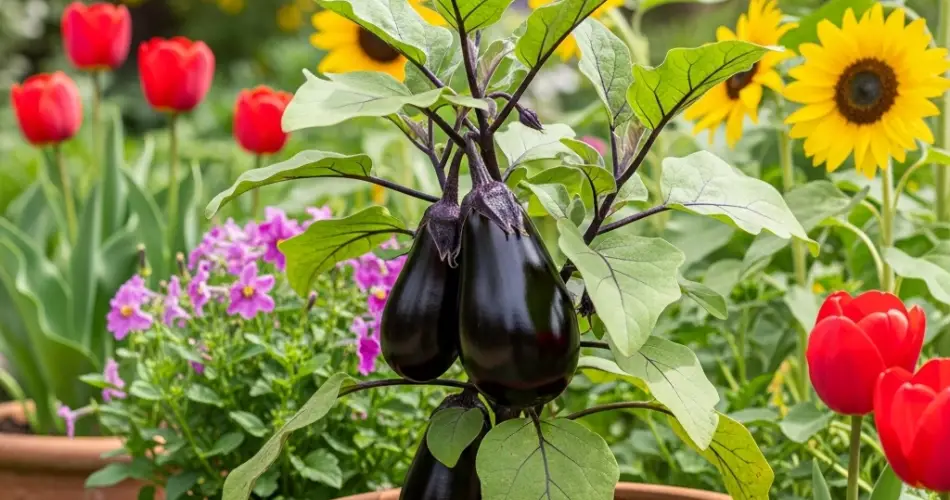
You don’t need a sprawling backyard to grow fresh, glossy eggplants. With the right setup, even a small balcony can become a productive mini-garden. Eggplants, also known as aubergines, adapt well to container growing, making them ideal for urban gardeners or anyone with limited outdoor space. Their striking purple fruits, decorative foliage, and delicate flowers bring both beauty and flavor to your balcony garden.
Growing and harvesting eggplants in containers is straightforward. With some sunlight, a good pot, and a little attention, you can enjoy a steady supply of homegrown eggplants right from your balcony.
Why Eggplants Are Great for Container Growing
Eggplants are heat-loving plants with deep roots and a compact growth habit, especially the varieties bred for small spaces. They need full sun and warmth, both of which are easy to provide on a sunny balcony. Growing in containers also allows for better control over soil quality, drainage, and pest management.
Benefits of growing eggplants on your balcony:
-
Ideal for compact spaces
-
Easy to move for optimal sun exposure
-
Control over soil and moisture
-
Adds ornamental value with edible results
-
Minimal pest and weed issues
Choosing the Right Eggplant Variety
Not all eggplants are the same. For balcony gardening, opt for compact or dwarf varieties that are bred for container growth.
Best container-friendly varieties include:
-
Patio Baby – Small, prolific plants with mini fruits perfect for snacking
-
Fairy Tale – Striking purple-and-white streaked fruits on a bushy plant
-
Ichiban – Slender Japanese eggplant that grows well in pots
-
Hansel – Compact with abundant fruiting and early maturity
These varieties stay small, produce generously, and mature quickly—perfect for container life.
Materials You’ll Need
Before planting, prepare the following:
-
A large container (minimum 12–14 inches deep and wide) with drainage holes
-
Lightweight, well-draining potting mix with compost or organic matter
-
Eggplant seeds or seedlings
-
Fertilizer suitable for vegetables
-
Watering can or garden hose with a gentle spray
-
A sunny location (at least 6 hours of sun daily)
-
Optional: plant stakes or small tomato cages for support
Planting Eggplants in Balcony Containers
1. Select the Right Pot
Use a container that holds at least 5 gallons of soil per plant. Larger pots support root development and help maintain consistent moisture levels. Ensure good drainage by choosing pots with holes in the base.
2. Fill with Nutrient-Rich Soil
Use a loose, fertile potting mix enriched with compost or slow-release organic fertilizer. Avoid garden soil, which tends to compact and retain too much water in containers.
3. Planting the Seedlings
If using seedlings, transplant them once outdoor temperatures are consistently above 60°F (16°C). Plant one seedling per container. Bury the plant slightly deeper than it was in its original pot to encourage strong roots.
Water thoroughly after planting and place the pot in the sunniest part of your balcony.
Ongoing Care for Healthy Plants
Eggplants need steady care during the growing season, especially in containers where soil dries out quickly.
-
Sunlight: Eggplants need 6–8 hours of direct sunlight each day. If your balcony gets less, consider using reflective surfaces or rotating the pot.
-
Watering: Keep the soil evenly moist. Water when the top inch of soil feels dry. In hot weather, daily watering may be needed.
-
Feeding: Fertilize every 2–3 weeks with a liquid vegetable fertilizer or compost tea to encourage flowering and fruiting.
-
Support: As fruits develop, use stakes or cages to support the branches and prevent breakage.
Pinch off the first flower or two to encourage more vigorous fruiting later.
Dealing with Pests and Problems
Container-grown eggplants are less prone to pests, but still keep an eye out for:
-
Aphids and whiteflies – Wash off with water or treat with insecticidal soap.
-
Spider mites – Common in hot, dry weather; increase humidity and use neem oil.
-
Flea beetles – Use floating row covers early in the season or sticky traps nearby.
Good airflow, consistent care, and avoiding overcrowding will reduce most issues.
When and How to Harvest
The key to a great eggplant harvest is timing. Pick the fruit when it’s firm, shiny, and about 6–8 inches long, depending on the variety.
Tips for harvesting:
-
Use pruning shears or a sharp knife to cut the fruit at the stem—don’t pull it off.
-
Check for readiness by gently pressing the skin. If it springs back, it’s ready; if it leaves an indentation, it may be overripe.
-
Harvest often to encourage more fruit development.
Store harvested eggplants in a cool place and use them within a few days for the best flavor and texture.
Final Tips
-
Rotate your container every few days to ensure even growth.
-
Mulch the top of the soil to reduce moisture loss and prevent overheating.
-
Replace or refresh potting soil between seasons for healthy crops.
Conclusion
Balcony-grown eggplants are a beautiful and practical addition to your home gardening setup. They’re easy to grow, productive, and offer a rewarding harvest with just a little care. Whether you enjoy them grilled, baked, or stir-fried, you’ll love the taste of fresh eggplants grown just a few steps from your kitchen.
With the right variety, container, and routine, you can turn your balcony into a thriving vegetable garden—starting with the bold, flavorful eggplant.


