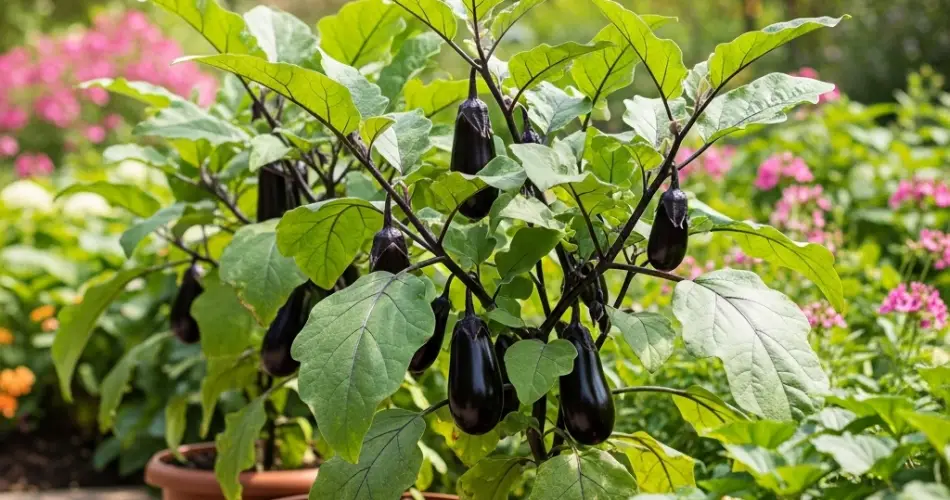
Eggplants, with their glossy purple skin and elegant growth habit, are both beautiful and delicious—making them a perfect addition to decorative container gardens. While often associated with sprawling vegetable patches, eggplants actually thrive in containers, where they not only produce tasty fruits but also add ornamental appeal to patios, balconies, and terraces.
Growing eggplants in pots allows even urban gardeners or those with limited space to enjoy a bountiful harvest. With the right container, soil, and care, these striking plants can flourish and become the centerpiece of your edible garden.
Why Grow Eggplants in Containers?
Eggplants are warm-weather vegetables that respond well to container life. By growing them in pots, you can control soil conditions, move the plants for optimal sunlight, and reduce exposure to soil-borne pests. In addition to their productivity, eggplants bring visual interest through their deep green leaves, vibrant blooms, and colorful fruits that range from classic purple to white, green, and even striped varieties.
Benefits of container-grown eggplants:
-
Ideal for small spaces like patios, balconies, and courtyards
-
Easy to move for optimal light and protection from extreme weather
-
Less weeding and better pest control
-
Visually appealing foliage and fruit add to garden aesthetics
-
Great companion plant for herbs and flowers in mixed displays
Selecting the Right Container
Choosing the right container is key to successful eggplant growth. The roots need plenty of space to spread, and the plant itself can become top-heavy as it bears fruit.
Container requirements:
-
Depth and width: At least 12–14 inches deep and wide for a single plant
-
Material: Plastic, terracotta, ceramic, or wood—all suitable with proper drainage
-
Drainage holes: Essential to prevent water buildup and root rot
For a decorative touch, consider colorful glazed pots or stylish planters that complement your outdoor décor while offering practical growing space.
Choosing Eggplant Varieties
Some eggplant varieties are better suited to container growing than others. Look for compact or dwarf varieties that stay manageable in size while still producing generous yields.
Top varieties for containers include:
-
Fairy Tale: Small, striped purple-and-white fruits; compact and high-yielding
-
Little Fingers: Slender dark-purple fruits that mature quickly
-
Patio Baby: Specifically bred for container gardening; small and productive
-
Slim Jim: Dwarf plants with ornamental value and edible fruits
-
Gretel: White-fruited, early maturing, and perfect for smaller spaces
These varieties not only fit well in containers but also bring color and form to your garden design.
Soil and Planting
Eggplants require rich, well-draining soil to thrive. The soil should be loose enough to allow proper root growth and retain just enough moisture without becoming soggy.
Soil mix:
-
High-quality organic potting mix
-
Enriched with compost or aged manure
-
Add perlite or coconut coir to improve aeration and drainage
Fill your container nearly to the top, leaving about an inch of space below the rim. Plant your seedling at the same depth as it was in its original pot. Gently press the soil around the base and water well.
Light and Watering Requirements
Eggplants love warmth and sunshine. Position your container in a spot that receives full sun for most of the day.
Light needs:
-
Minimum 6–8 hours of direct sunlight daily
-
If sunlight is limited, consider using a grow light to supplement
Watering tips:
-
Keep the soil evenly moist, especially during flowering and fruit development
-
Avoid letting the soil dry out completely
-
Water at the base of the plant to prevent fungal diseases on the leaves
Consistent watering is crucial. In containers, soil dries out more quickly than in the ground, so check moisture daily during hot or windy weather.
Fertilizing and Plant Care
Eggplants are heavy feeders and benefit from regular nutrition throughout the growing season.
Feeding tips:
-
Use a balanced organic fertilizer every 2–3 weeks
-
Fish emulsion, compost tea, or liquid seaweed can promote healthy growth
-
Once flowering begins, switch to a fertilizer higher in phosphorus and potassium for better fruit production
Provide support such as a small stake or tomato cage to help the plant bear the weight of its fruits. Prune any small or damaged leaves to encourage airflow and reduce pest risk.
Harvesting Your Eggplants
Eggplants are best harvested when the fruits are still glossy and firm. Waiting too long can result in bitter or overripe produce.
Harvesting tips:
-
Use scissors or garden shears to snip the fruit from the stem
-
Leave a short stem attached to each fruit to extend freshness
-
Check plants regularly—frequent harvesting encourages more fruit production
Different varieties mature at different sizes, so check the seed packet or tag for ideal harvest times.
Final Thoughts
Eggplants grown in containers offer more than just a delicious harvest—they bring beauty and structure to small-space gardens. With their lush foliage, striking fruits, and vibrant flowers, eggplants double as edible ornamentals that fit perfectly into decorative planters.
Whether you’re spicing up a balcony with purple glazes or adding a splash of green to your courtyard, growing eggplants in containers is a smart, space-efficient way to enjoy both form and function in your edible garden. With a little care, you’ll be rewarded with continuous harvests and a stunning display all season long.


