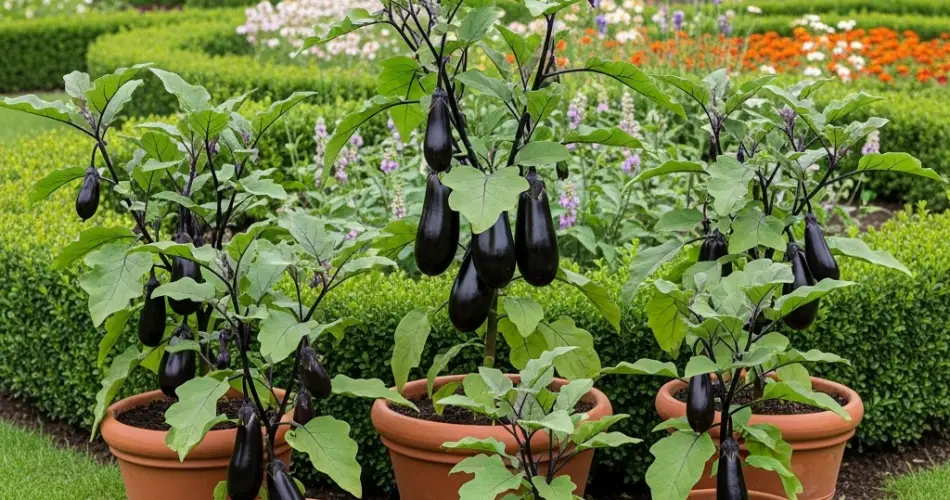
Eggplants, also known as aubergines, are not just a staple in many global cuisines—they’re also a stunning addition to container gardens. With their deep purple fruits, soft green leaves, and vibrant flowers, eggplants offer both beauty and bounty. Even if you don’t have access to a traditional garden, you can grow these vegetables successfully in pots on your balcony, patio, or sunny windowsill.
Growing eggplants in containers is a great option for gardeners working with limited space. With the right container, care, and location, your eggplant plants can thrive and yield delicious, glossy fruit throughout the growing season.
Why Grow Eggplants in Pots?
Container gardening offers several advantages when it comes to eggplants:
-
Space-saving: Ideal for small spaces like balconies or courtyards
-
Better control: Easier to manage soil quality, pests, and watering
-
Mobility: Move containers to follow sunlight or protect from weather
-
Decorative: Adds color and texture to urban spaces with edible rewards
Whether you’re a beginner or a seasoned gardener, potted eggplants are an easy and rewarding crop to grow.
Best Eggplant Varieties for Containers
While most eggplants can adapt to pot life, some compact or dwarf varieties perform especially well in containers:
-
Fairy Tale – Small-fruited variety with purple and white streaks
-
Patio Baby – Miniature eggplants that grow abundantly on compact plants
-
Hansel – Slender, deep purple fruits on small bushes
-
Ichiban – Japanese-style eggplants that mature early and grow in clusters
These varieties require less space and mature faster, making them ideal for pot gardening.
What You’ll Need
Before planting, gather these materials:
-
A pot that is at least 12–14 inches deep and wide (one plant per pot)
-
Well-draining potting mix enriched with compost or organic matter
-
Eggplant seedlings or seeds
-
A sunny location (6–8 hours of sunlight daily)
-
Watering can or garden hose
-
Optional: stakes or small cages for support, and liquid fertilizer
Step-by-Step Guide to Planting Eggplants in Pots
1. Choose the Right Container
Eggplants have deep roots and need ample room. Use a container that’s at least 5 gallons in size, with good drainage holes at the bottom. Fabric grow bags, plastic pots, and terracotta containers all work well.
2. Prepare the Soil
Use a lightweight, well-draining potting mix. Blend in compost or a slow-release organic fertilizer to provide nutrients throughout the season. Avoid using garden soil, which may compact and retain excess moisture.
3. Planting
-
Seeds: Start seeds indoors 6–8 weeks before your last frost date. Transplant seedlings when they’re 6–8 inches tall and nighttime temperatures consistently stay above 60°F (16°C).
-
Seedlings: Plant one healthy seedling per pot, burying it just below the lowest set of leaves.
Water thoroughly after planting to settle the soil around the roots.
4. Find a Sunny Spot
Place the container in a location that receives full sun—eggplants need 6 to 8 hours of sunlight daily to thrive. In cooler regions, consider placing pots against a warm wall or on a reflective surface to boost heat retention.
How to Care for Potted Eggplants
Eggplants require consistent moisture and nutrients to produce tender, flavorful fruit.
-
Watering: Keep soil evenly moist, but not soggy. Water when the top inch of soil feels dry. Use a watering can with a narrow spout to avoid wetting the leaves, which helps prevent disease.
-
Feeding: Fertilize every 2–3 weeks with a balanced liquid fertilizer or fish emulsion. Switch to a low-nitrogen fertilizer once the plant starts flowering.
-
Support: As the plant grows, support it with a bamboo stake or small tomato cage to prevent stems from bending or breaking under the weight of the fruit.
-
Pruning: Remove lower leaves and any suckers to encourage airflow and focus energy on fruit production.
Pest and Disease Management
Keep an eye out for common pests like aphids, flea beetles, and spider mites. Neem oil spray or insecticidal soap can help keep infestations under control. Also, monitor for signs of fungal diseases—proper spacing, good airflow, and avoiding overhead watering will reduce risk.
Harvesting Your Eggplants
Depending on the variety, eggplants are usually ready to harvest 60–80 days after transplanting. Don’t wait too long—overripe eggplants become seedy and bitter.
How to harvest:
-
Look for glossy, firm fruit that springs back slightly when pressed.
-
Cut the stem with a sharp knife or pruners rather than pulling the fruit, which could damage the plant.
-
Frequent harvesting encourages new fruit production.
Harvested eggplants should be used soon after picking for the best flavor and texture.
Final Tips
-
Rotate pots every few days to ensure even sun exposure.
-
Add mulch to the top of the potting mix to retain moisture and reduce weeds.
-
Avoid planting in the same soil mix for multiple seasons—refresh or replace soil between plantings.
Conclusion
Growing eggplants in containers is a rewarding way to enjoy fresh, homegrown produce even in the smallest spaces. With the right variety, a bit of care, and a sunny spot, you can produce beautiful and delicious fruits throughout the season. Whether grilled, roasted, or sautéed, your homegrown eggplants will elevate any meal—and your gardening confidence.


