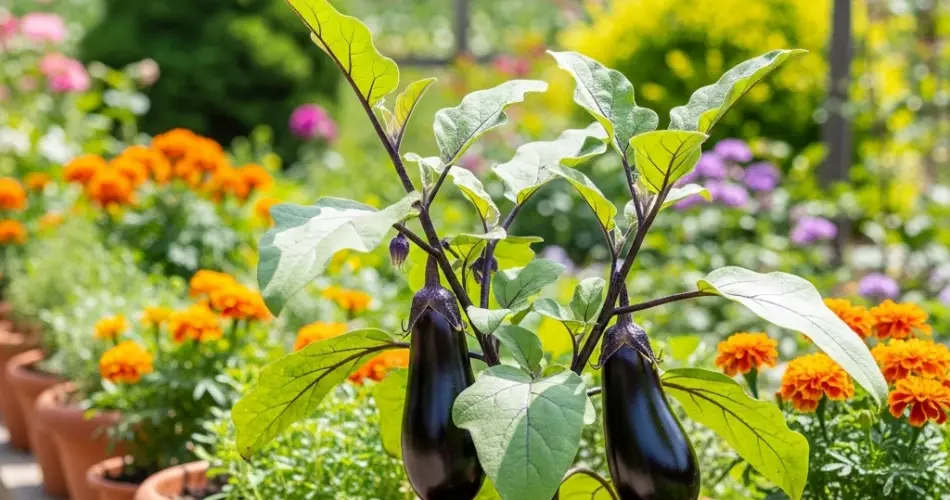
Eggplants are heat-loving vegetables traditionally grown in sunny garden beds. But what if your gardening space only gets a few hours of sunlight a day? Don’t worry—it’s still possible to grow healthy, productive eggplants in pots, even with limited sun exposure. With the right variety selection, smart positioning, and attentive care, you can enjoy this beautiful and edible plant on balconies, patios, or windowsills that don’t get full-day sun.
This guide will help you grow eggplants successfully in containers when sunlight is scarce, so you can still harvest flavorful fruits from a modest garden setup.
Understanding Eggplants and Sunlight Needs
Eggplants typically require at least 6–8 hours of direct sunlight to thrive. However, if your growing area only receives 4–6 hours of sun, you can still make it work by choosing suitable varieties and optimizing growing conditions.
Challenges of limited sunlight:
-
Slower fruit development
-
Fewer flowers and fruits
-
Risk of leggier, weaker plants
That said, eggplants can still grow and produce in partial sunlight—especially when supported with the right soil, feeding, and reflective lighting tricks.
Choosing the Right Eggplant Variety
Some eggplant varieties are better suited to small containers and less-than-ideal light conditions. Look for compact or early-maturing types that don’t require excessive energy to produce fruit.
Best varieties for limited sunlight:
-
Patio Baby: A dwarf variety bred for containers and small spaces
-
Fairy Tale: Compact plants with small, tender fruits and short maturity time
-
Little Fingers: Thin, fast-developing fruits that do well with moderate sun
-
Slim Jim: Decorative and productive in pots with lower sun exposure
These varieties not only tolerate reduced light better but also fit well into containers, making them great choices for partial-sun locations.
Picking the Right Container
Container-grown eggplants need room for their roots and good drainage to prevent rot.
Ideal container setup:
-
Depth: At least 12 inches
-
Width: 12–14 inches per plant
-
Material: Plastic, terracotta, fabric grow bags, or glazed pots
-
Drainage: Must have several holes at the base
Darker-colored pots help retain heat—useful if you’re growing in a cooler, shaded area. Just ensure they don’t overheat in warmer regions.
Preparing the Soil
Healthy soil is crucial when your plant won’t receive maximum light. A rich, well-aerated mix helps your eggplant make the most of available resources.
Soil mix for low-light conditions:
-
Organic potting soil base
-
Add compost or worm castings for fertility
-
Mix in perlite or coconut coir for drainage and moisture retention
Avoid using dense garden soil in pots—it can retain too much water and restrict root growth, especially in shady spots where evaporation is slower.
Maximizing Light Exposure
Even if you can’t provide full sun, you can enhance light conditions with a few strategic tricks.
Tips to increase light:
-
Place pots where they get the most sun (even if only morning or afternoon)
-
Use reflective surfaces like white walls or aluminum foil behind the plant to bounce light
-
Rotate pots every few days so all sides receive light
-
Raise containers on stands or shelves to capture more overhead light
-
Consider using a full-spectrum grow light indoors or during cloudy weeks
The more indirect or reflected light you can provide, the better your plants will photosynthesize and produce fruit.
Watering and Fertilizing
Eggplants grown in low-light areas are more prone to overwatering, so it’s important to monitor moisture levels closely.
Watering tips:
-
Let the top inch of soil dry out before watering again
-
Always water at the base—avoid splashing leaves
-
Reduce frequency slightly compared to full-sun conditions
Fertilizing schedule:
-
Start with compost-rich soil at planting time
-
Apply a balanced liquid fertilizer every 2–3 weeks
-
Once flowers appear, switch to a bloom-boosting fertilizer higher in phosphorus and potassium
This helps the plant focus on fruit production instead of just leafy growth, especially when light is limited.
Supporting and Maintaining the Plant
Even in pots, eggplants can grow tall and heavy once fruits begin to form. Support helps prevent the plant from toppling or branches breaking.
Care and support tips:
-
Insert a small stake or cage at planting time
-
Prune unnecessary side shoots to direct energy to main stems
-
Remove any yellow or damaged leaves to improve airflow
-
Check regularly for pests like aphids or spider mites, which are more likely in humid, shaded areas
Harvesting in Low Light Conditions
Eggplants grown with limited sun may take a bit longer to ripen, but they can still yield well-tasting fruits.
Harvesting tips:
-
Pick fruits when they are glossy, firm, and reach the expected size for their variety
-
Don’t wait too long—overripe eggplants become bitter and spongy
-
Use garden shears to snip fruits cleanly from the stem
Frequent harvesting encourages new fruit production and keeps the plant balanced.
Final Thoughts
While eggplants prefer full sun, they can still be grown successfully in pots with limited sunlight—especially if you choose the right varieties and give them the support they need. With thoughtful placement, good soil, and consistent care, your container-grown eggplants can provide both visual appeal and delicious harvests in less-than-perfect conditions.
Don’t let a lack of full sun stop you—smart techniques and proper variety selection make growing eggplants in pots achievable for almost any home gardener.


