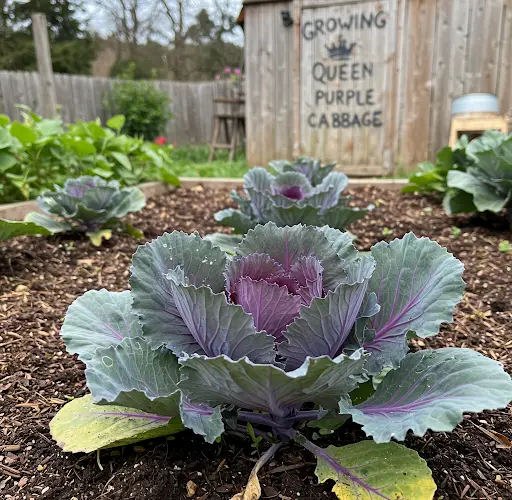
Growing Queen Cabbage at Home: Dark Cabbage, Specialty Cabbage
Cabbage is a nutritious vegetable that’s been a staple in gardens for centuries. While the green and red varieties are common, there’s a less-known but equally delicious variety—Queen Cabbage. Often referred to as dark cabbage or specialty cabbage, this unique cabbage has a deep purple to almost black hue, making it a beautiful addition to any garden.
Queen Cabbage is not only visually striking but also offers a slightly more complex flavor than its traditional counterparts. With its high anthocyanin content (the antioxidants responsible for its dark color), it provides health benefits while adding a rich, slightly sweet taste to your dishes. Best of all, growing Queen Cabbage at home is easier than you might think, even for beginners. Whether you have a garden or limited space like a balcony or windowsill, you can successfully grow this specialty cabbage with a little care.
Why Grow Queen Cabbage at Home?
There are many benefits to growing Queen Cabbage at home, including:
-
Nutrient-Rich: Queen Cabbage is packed with vitamins, minerals, and antioxidants like anthocyanins, which contribute to its dark color and are linked to improved heart health and reduced inflammation.
-
Unique Flavor: Its slightly sweet, rich flavor makes it a great addition to various dishes such as salads, stir-fries, and soups.
-
Attractive in the Garden: Its dark purple hue adds visual appeal, making it a striking feature in both vegetable and ornamental gardens.
-
Space-Efficient: Queen Cabbage can be grown in containers, making it a perfect option for small spaces, whether on a balcony, patio, or windowsill.
Materials You’ll Need
Before you begin growing Queen Cabbage, gather the following materials:
-
Queen Cabbage seeds (or young seedlings)
-
Large containers or raised garden beds (at least 12 inches deep for containers)
-
High-quality potting soil (or well-draining garden soil)
-
Compost or organic fertilizer
-
Watering can or hose
-
Sunlight (6–8 hours of direct sunlight daily)
Step-by-Step Guide to Growing Queen Cabbage
1. Choose the Right Variety
While Queen Cabbage is a specific variety, ensure that you’re selecting the right cultivar for your growing region. These cabbages typically come in different shades of purple, ranging from a deep burgundy to almost black, and some may have slightly different growth habits.
2. Planting Queen Cabbage Seeds or Seedlings
You can start Queen Cabbage from seeds indoors or purchase young seedlings from a garden center. If you’re starting from seeds, begin the process about 6–8 weeks before your last expected frost. Cabbage is a cool-weather plant, so it grows best when the temperature is between 50°F and 70°F (10°C to 21°C).
Plant the seeds ¼ inch deep in seed trays or small containers with well-draining potting soil. Keep the soil moist but not soggy, and place the trays in a sunny location. After 4–6 weeks, when the seedlings are sturdy and large enough, they can be transferred to larger containers or garden beds.
If you’re using seedlings, make sure to plant them 12–18 inches apart to give each plant enough room to grow and form its full head.
3. Preparing the Soil
Cabbage thrives in rich, fertile soil with plenty of organic matter. If you’re growing in containers, use a high-quality potting mix with added compost. Cabbage needs plenty of nutrients, so it’s a good idea to mix in some well-rotted compost or a slow-release organic fertilizer to ensure the soil remains rich throughout the growing season.
If you’re planting directly in the garden, prepare the soil by tilling and adding compost or organic matter. Make sure the soil is loose and well-draining, as cabbage roots don’t like to sit in waterlogged soil.
4. Watering and Sunlight
Queen Cabbage needs consistent moisture to thrive. Water the plants regularly, ensuring the soil remains moist but not waterlogged. Deep watering is essential to encourage strong root development. Cabbage grows best with even moisture, so try to water the soil thoroughly and maintain a steady level of moisture throughout the growing season.
Place your cabbage plants in an area that receives 6–8 hours of direct sunlight daily. Cabbage is a cool-season crop, so it does well in mild to moderate temperatures. However, if temperatures rise too high, the cabbage may start to bolt (go to seed). Growing it in the cooler months or providing some shade during the hottest parts of the day can help prevent this.
5. Thinning and Maintenance
As your Queen Cabbage grows, you may need to thin the plants to ensure proper spacing. If you started with seeds, thin the plants once they are about 4–6 inches tall, leaving only the strongest, healthiest seedlings. This allows each plant enough space to develop a large, full head.
Be sure to regularly check for pests such as aphids, cabbage worms, and slugs, which are common cabbage pests. You can use natural or organic pest control methods like neem oil or diatomaceous earth to keep pests at bay.
6. Fertilizing for Strong Growth
Cabbage is a heavy feeder, so it benefits from regular feeding. After the plants are established, you can fertilize them every 2–3 weeks with an organic liquid fertilizer or compost tea. This will help the plants grow strong and produce large heads.
7. Harvesting Queen Cabbage
Queen Cabbage is ready to harvest when the head is firm and fully developed. Gently squeeze the cabbage head—if it feels solid, it’s time to harvest. Use a sharp knife to cut the cabbage at the base, leaving the roots in the ground. This may encourage smaller side heads to grow if you’re lucky!
Final Thoughts
Growing Queen Cabbage at home is a fantastic way to add both beauty and nutrition to your garden. With its striking color and rich, complex flavor, Queen Cabbage makes an excellent addition to any garden or balcony. Whether you’re an experienced gardener or a beginner, growing this specialty cabbage is straightforward and rewarding.
With just a bit of planning—choosing the right variety, preparing the soil, and providing proper care—you can enjoy homegrown cabbage year-round. So, why not give it a try and experience the unique flavor and beauty of Queen Cabbage in your own home garden?


