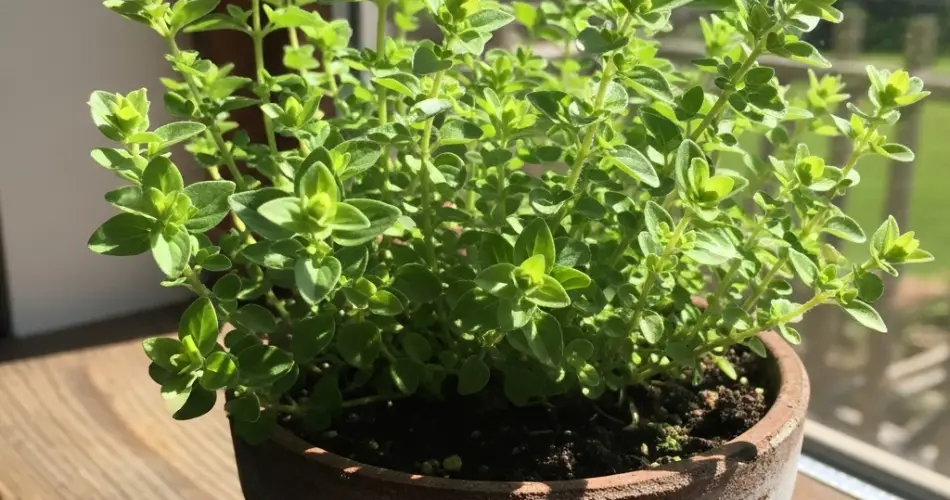
Oregano is a beloved Mediterranean herb that adds depth and flavor to countless dishes, from pizza and pasta to roasted meats and vegetables. Known for its aromatic leaves and easy-going nature, oregano is also an excellent choice for container gardening. Whether you’re working with a sunny balcony, a kitchen windowsill, or a small patio, oregano adapts well to pots if given the right care. To cultivate a healthy, productive plant, it’s important to understand its needs for light, pruning, and watering.
Why Choose Pots for Oregano?
Oregano is hardy and adaptable, but growing it in pots has distinct advantages. Containers allow you to control soil quality, drainage, and placement for optimal light. They also prevent oregano from spreading too aggressively in the garden, as this herb can become quite expansive over time. Plus, potted oregano is convenient—you can keep it close to your kitchen for easy harvesting whenever you need fresh leaves.
Selecting the Right Pot and Soil
Before addressing light and water needs, choosing the correct pot and soil is essential. Oregano prefers conditions that mimic its Mediterranean origins: dry, well-drained soil and plenty of airflow around the roots.
Select a pot at least 8–10 inches deep with drainage holes at the bottom. Terracotta or clay pots are ideal because they allow excess moisture to evaporate, preventing soggy soil. Plastic containers are lighter and easier to move, but they hold water longer, so you’ll need to be careful not to overwater.
For soil, use a light potting mix with excellent drainage. Adding sand, perlite, or gravel to the mix improves aeration and mimics oregano’s natural environment. Unlike heavy feeders such as basil or mint, oregano does not need overly rich soil—too much fertility can actually weaken its signature flavor.
Light Requirements
Oregano thrives in bright, sunny conditions. To grow well in pots, it needs at least 6–8 hours of direct sunlight daily. Outdoors, place the pot in a south-facing location on a balcony or patio for maximum exposure. Indoors, position oregano near the sunniest window you have.
If natural light is insufficient, supplement with a grow light for 12–14 hours a day to keep your plant strong and leafy. The more sun oregano receives, the more flavorful its leaves become, concentrating the essential oils that give it its distinctive taste.
Watering Oregano in Pots
Oregano is far more tolerant of dry conditions than many other herbs, making it relatively low-maintenance in terms of watering. The key is to avoid overwatering. Allow the top inch of soil to dry before watering again. When you do water, give it a deep soak until water drains from the bottom, then let the soil dry slightly before the next watering.
During the heat of summer, outdoor potted oregano may need watering every two to three days. Indoors or in cooler weather, once a week may be sufficient. Always check the soil before watering instead of following a rigid schedule. Consistently wet soil can lead to root rot, which is one of the few problems oregano is prone to in containers.
Pruning and Harvesting
Regular pruning is one of the most important steps for keeping oregano productive and bushy. Without trimming, it tends to grow tall and leggy, producing fewer leaves. To encourage healthy growth, pinch or cut back stems frequently, starting when the plant is about 4–6 inches tall.
Harvesting is simple: cut stems just above a pair of leaves, which stimulates new shoots. Frequent harvesting not only provides a steady supply of fresh oregano for cooking but also keeps the plant full and vibrant.
Oregano tends to flower in warm weather, which signals a shift from leafy growth to seed production. Flowering can diminish leaf flavor, so pinch off flower buds as soon as they appear to prolong the harvest season.
Fertilizer Needs
Unlike some herbs that require frequent feeding, oregano is naturally adapted to lean soils. Too much fertilizer encourages rapid, weak growth and reduces the concentration of essential oils that give the leaves their robust taste. A light feeding with diluted liquid fertilizer once a month during the growing season is more than enough. Organic options such as compost tea or fish emulsion work well but should be used sparingly.
Overwintering Potted Oregano
Oregano is a perennial in many climates, but potted plants may need extra protection in colder regions. If you experience frost, bring the container indoors before the cold sets in. Place it in a bright window and reduce watering during winter, since the plant grows more slowly in cooler conditions. In spring, prune back old stems to encourage fresh growth as the plant awakens.
Common Problems to Watch For
Oregano is naturally resistant to most pests and diseases, making it a very beginner-friendly herb. However, poor drainage or overwatering can lead to root rot. Occasionally, aphids or spider mites may appear, but these are easily managed with a quick rinse of water or a spray of insecticidal soap. Ensuring good air circulation around the plant also helps prevent fungal issues.
Conclusion
Growing oregano in pots is a simple and rewarding way to keep this flavorful herb at your fingertips. By providing plenty of sunlight, watering wisely, and pruning regularly, you can enjoy a steady harvest of aromatic leaves for months. Container gardening not only makes oregano easy to manage but also enhances your kitchen with the convenience of fresh herbs on demand. With the right care, your potted oregano will flourish—bringing both beauty and flavor to your home garden.


