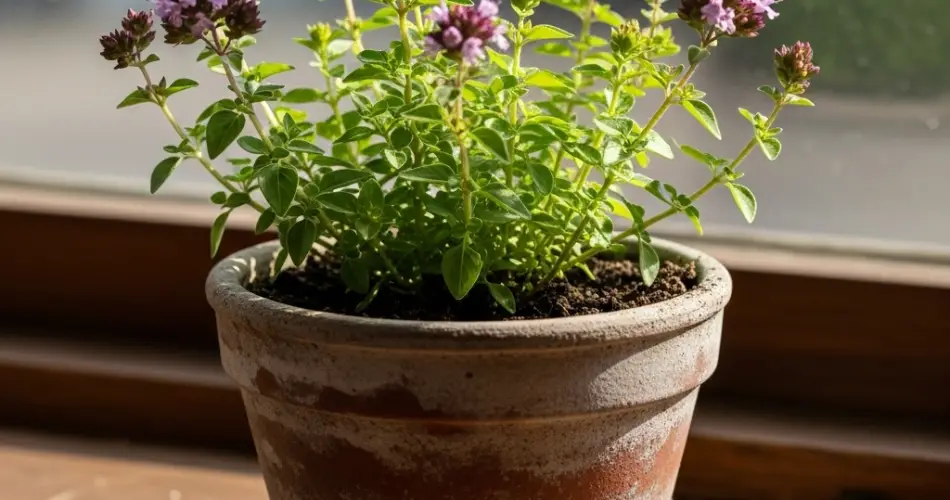
Oregano is a staple herb in Mediterranean cuisine, prized for its bold, earthy flavor and aromatic leaves. Whether sprinkled over pizza, added to sauces, or used fresh in salads, oregano elevates countless dishes. Growing it at home in pots is a simple and rewarding way to keep this versatile herb close at hand. Container gardening not only makes oregano accessible for urban gardeners and those with limited outdoor space but also gives you control over soil quality and watering.
To get the best results, you need to choose the right potting soil and containers. Both factors play a significant role in ensuring that oregano plants remain healthy, productive, and flavorful.
Why Grow Oregano in Pots?
Oregano is a hardy perennial that adapts well to containers. Growing it in pots allows you to place it in the sunniest spots, move it indoors during colder weather, and prevent it from spreading too aggressively in garden beds. Container growing also helps you manage soil drainage, which is critical because oregano dislikes wet roots. With the right setup, oregano can thrive year after year in pots.
Choosing the Best Container for Oregano
When selecting a container for oregano, size and material matter. Oregano has a moderately deep root system, so a pot that is at least 8–12 inches deep and wide provides enough space for healthy root growth. Larger pots are useful if you want to grow multiple oregano plants together, but spacing them properly is essential to allow airflow and prevent crowding.
Drainage is a top priority. Oregano thrives in slightly dry conditions, and excess water can quickly cause root rot. Choose containers with multiple drainage holes at the bottom to ensure water flows freely. Terracotta and clay pots are excellent options because they wick away excess moisture from the soil, creating an environment that mimics oregano’s natural Mediterranean habitat. However, lightweight plastic or resin containers work well too, especially if you plan to move your pots often.
The Best Potting Soil for Oregano
Soil choice can make or break your oregano plants. This herb thrives in well-draining soil with moderate fertility. Using garden soil in pots is not recommended, as it tends to compact and restrict root development. Instead, choose a high-quality potting mix designed for herbs or vegetables.
A good oregano soil blend should include components such as:
-
Peat moss or coconut coir for moisture retention without waterlogging.
-
Perlite or vermiculite to enhance aeration and drainage.
-
Compost or organic matter to provide nutrients.
Oregano prefers slightly alkaline to neutral soil with a pH between 6.0 and 8.0. If your soil is too acidic, adding a small amount of garden lime can help balance it. Unlike leafy herbs such as basil, oregano does not require overly rich soil. In fact, soil that is too fertile can cause excessive leaf growth with weaker flavor. A moderate nutrient level produces more aromatic leaves.
Planting Oregano in Pots
When planting oregano, fill your container with the prepared potting mix, leaving about an inch of space at the top. Place your seedling or cutting in the center and cover the roots with soil, pressing lightly to secure it. Water thoroughly after planting to help the roots settle.
If you are planting multiple oregano seedlings in a single container, space them at least 6 inches apart to ensure good airflow and reduce the risk of fungal issues.
Placement and Sunlight Needs
Oregano thrives in full sun. Place your pots where they will receive at least 6–8 hours of direct sunlight daily. A sunny patio, balcony, or windowsill is ideal. In very hot climates, oregano can tolerate partial shade during the hottest part of the afternoon, but too much shade may result in weak growth and less flavorful leaves.
Indoors, oregano does well in a south-facing window. If natural light is limited, consider supplementing with a grow light.
Watering and Care
Proper watering is essential for oregano’s long-term health. This herb prefers slightly dry conditions, so always check the soil before watering. If the top inch of soil feels dry, it’s time to water. Avoid keeping the soil constantly wet, as this encourages root rot. During summer, watering every few days is usually enough, while in cooler seasons, you may only need to water once a week.
Oregano is a hardy plant and doesn’t require frequent feeding. A light application of a balanced fertilizer once every 4–6 weeks during the growing season is sufficient. Too much fertilizer can reduce the concentration of essential oils in the leaves, making the flavor less intense.
Maintaining and Harvesting
Pruning and harvesting regularly keep oregano productive. Once the plant reaches 4–6 inches tall, pinch back the tips to encourage branching and fuller growth. Harvest leaves as needed by snipping stems above a leaf node. Avoid removing more than one-third of the plant at a time, so it can continue producing.
To maintain strong flavor, prevent the plant from flowering. Once oregano flowers, leaf production slows, and the taste becomes milder. Pinch off flower buds as they appear to keep the plant focused on leaf growth.
Final Thoughts
With the right potting soil and container, oregano becomes one of the easiest and most rewarding herbs to grow at home. Terracotta pots with well-draining, moderately fertile soil mimic its native Mediterranean environment, while regular pruning and moderate watering ensure long-term health. Whether kept on a sunny balcony, patio, or kitchen windowsill, potted oregano provides a continuous supply of flavorful leaves to enhance your favorite dishes.
By giving careful attention to soil and container choices, you can enjoy healthy, thriving oregano plants that last season after season.


