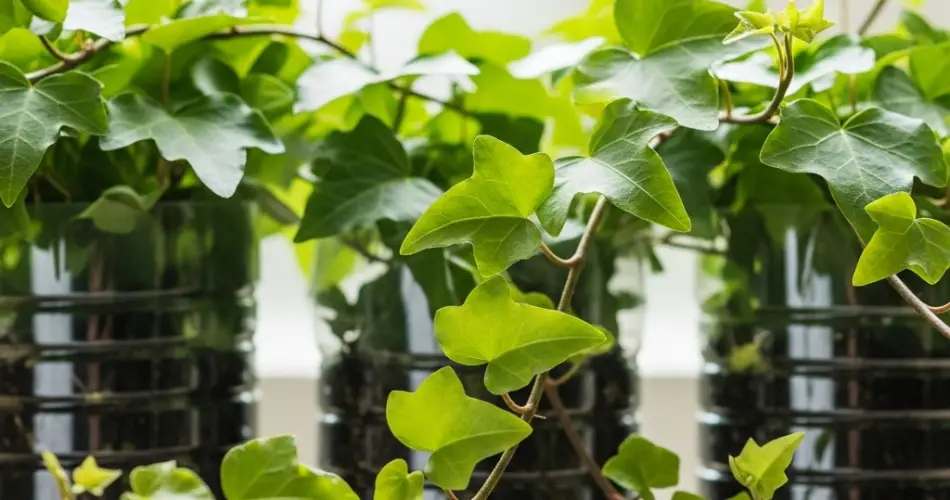
English ivy (Hedera helix) is a timeless houseplant known for its trailing vines, glossy leaves, and air-purifying qualities. Perfect for hanging baskets, shelves, or elegant tabletop containers, this classic plant brings a touch of charm to any room. Whether you’re a beginner or a seasoned plant lover, growing English ivy in pots is simple and rewarding when given the proper care.
Here’s how to grow healthy, attractive English ivy indoors using containers, with all the tips you need to maintain vibrant foliage and long, trailing vines.
Choosing the Right Pot and Location
When planting English ivy in a pot, the container you choose can significantly affect the plant’s health and growth. Ivy does well in containers of many materials—ceramic, terracotta, plastic, or even recycled planters—as long as there is proper drainage.
Pot selection tips:
-
Drainage is essential: Select a pot with holes at the bottom to prevent water from sitting in the soil, which can cause root rot.
-
Size matters: Choose a pot that accommodates the current root ball with just a little extra room. A pot that’s too large can hold excess moisture and slow down growth.
-
Shallow or deep: English ivy can adapt to shallow or deeper pots, depending on how you want to display it—hanging baskets, wall-mounted planters, or tabletop containers all work well.
Place the pot in a bright area, but away from direct sunlight. Ivy thrives in bright, indirect light but will also tolerate low-light spaces, making it ideal for indoor growing.
Soil and Potting Mix
English ivy prefers light, well-draining soil. A quality indoor potting mix works well, especially one formulated for foliage plants.
You can also create your own blend with:
-
2 parts peat moss or coco coir
-
1 part perlite or coarse sand
-
1 part compost or worm castings for mild nutrients
Avoid overly dense soils that retain too much moisture, as ivy is susceptible to root rot in soggy conditions.
Watering Requirements
Ivy prefers its soil to be slightly moist but not constantly wet. Let the top inch of soil dry out between waterings.
Watering guidelines:
-
Water thoroughly when the soil feels dry to the touch on top.
-
Make sure excess water drains out of the bottom—never let the pot sit in water.
-
Reduce watering in the colder months, as ivy goes semi-dormant and needs less moisture.
Keep an eye on leaf color and texture: yellowing leaves often signal overwatering, while dry or crispy edges suggest underwatering or low humidity.
Humidity and Temperature
Although English ivy can adapt to a range of indoor conditions, it prefers moderate to high humidity and cooler room temperatures.
Ideal conditions:
-
Temperature range: 50–70°F (10–21°C)
-
Humidity: 40% and above
To increase humidity around your ivy:
-
Mist the plant occasionally with water
-
Group it with other humidity-loving plants
-
Place a shallow tray of water and pebbles near the pot
Keep the plant away from heat vents, radiators, or cold drafts, which can stress the leaves and cause drying.
Feeding and Fertilizing
English ivy benefits from light, regular feeding during the growing season. Use a balanced, water-soluble fertilizer every 4–6 weeks from spring through early fall.
For best results:
-
Choose a 10-10-10 or 20-20-20 fertilizer
-
Dilute it to half strength
-
Avoid fertilizing in winter when growth naturally slows down
Over-fertilizing can lead to salt build-up in the soil and leaf burn, so always follow package instructions and water the plant before feeding.
Pruning and Training
One of the best features of English ivy is its long, trailing vines, which can be trained to grow in various ways. Pruning is essential for shaping, controlling size, and encouraging fuller growth.
Pruning tips:
-
Trim vines that are too long or leggy to encourage bushier growth
-
Pinch the tips of new growth to keep the plant compact
-
Use clean, sharp scissors or pruning shears
You can also train ivy up a trellis, wire frame, or wall hook for a vertical display, or let it cascade naturally from a hanging basket or shelf.
Common Issues and Solutions
Yellow leaves: Often caused by overwatering or poor drainage. Check the pot’s base and reduce watering frequency.
Pale or stunted growth: May indicate too little light. Move the plant to a brighter spot with indirect sun.
Spider mites: Ivy is prone to pests like spider mites in dry indoor environments. Mist the leaves regularly and inspect for small webbing. Use insecticidal soap or neem oil if needed.
Leggy growth: Can result from low light or lack of pruning. Increase light exposure and trim vines to stimulate fuller growth.
Final Touches
English ivy is a graceful addition to any indoor space. Its classic look and low-maintenance nature make it ideal for apartments, offices, and small rooms alike. Whether you prefer a compact tabletop arrangement or cascading greenery on your windowsill, ivy adapts beautifully to pots of all kinds.
With the right care, this resilient plant can thrive for years, adding a refreshing and elegant green touch to your indoor environment.


