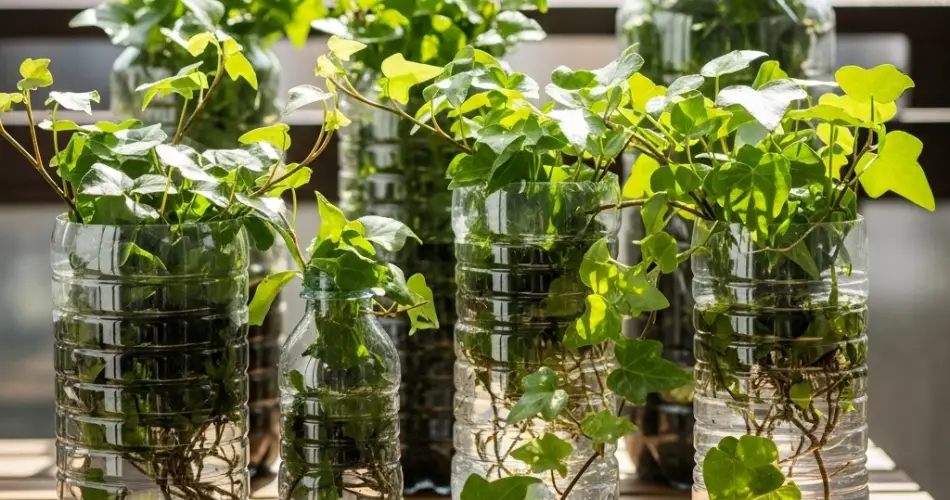
English ivy (Hedera helix) is one of the most elegant and versatile plants you can grow in containers. Known for its trailing vines and classic green foliage, it adds a touch of sophistication to any indoor or outdoor space. But beyond its ornamental appeal, English ivy is also recognized for its air-purifying properties, making it a stylish and functional addition to your home.
Whether you’re decorating a modern apartment, a small balcony, or a cozy patio, container-grown English ivy offers a low-maintenance, space-efficient way to enhance your surroundings with greenery and fresh air.
Why Grow English Ivy in Containers?
English ivy is an adaptable plant that thrives in various conditions. Growing it in containers offers several advantages:
-
Space Efficiency: Perfect for apartments or urban homes with limited gardening space.
-
Mobility: Containers can be moved to suit changing light conditions or decor preferences.
-
Growth Control: Ivy can be invasive in garden beds. Keeping it in a pot prevents it from overtaking other plants or structures.
-
Aesthetic Flexibility: Whether hung in baskets, placed on shelves, or allowed to trail from elevated planters, ivy fits effortlessly into many decor styles.
Additionally, English ivy is ranked among the top air-purifying houseplants by NASA studies. It can help remove indoor pollutants such as benzene, formaldehyde, and mold spores, contributing to a healthier living environment.
Choosing the Right Container
Selecting the right pot for your ivy is essential for healthy growth and long-term aesthetics. Here are some tips:
-
Size: Choose a container that’s slightly larger than the root ball. English ivy likes snug roots, so don’t go too big.
-
Drainage: Ensure your pot has drainage holes to prevent root rot. You can also use a nursery pot with holes nested inside a decorative container.
-
Material: Terra cotta pots allow soil to breathe but dry out faster, while plastic or ceramic containers retain moisture longer. Choose based on your watering habits and indoor humidity.
Hanging baskets, tall urn-style pots, or minimalist ceramic planters all work beautifully depending on your interior or exterior style.
Potting Mix and Planting
Use a light, well-draining potting mix. A general-purpose houseplant soil works well, especially when mixed with a bit of perlite or sand to improve drainage.
To plant:
-
Fill your container about one-third full with potting mix.
-
Gently remove the ivy from its current container and loosen the roots slightly.
-
Place the plant in the center and fill in around the roots with more soil, pressing lightly.
-
Water thoroughly and allow excess water to drain away.
Ideal Growing Conditions
English ivy is relatively undemanding but thrives best under the following conditions:
-
Light: It prefers bright, indirect light. While it can tolerate low light, variegated varieties may lose their color without adequate light. Avoid placing it in direct sun, which can scorch the leaves.
-
Watering: Keep the soil evenly moist but not soggy. Allow the top inch of soil to dry out between waterings. Reduce watering in cooler months when growth slows.
-
Humidity: Ivy enjoys moderate humidity. Mist occasionally or place a humidity tray beneath the pot if your indoor air is dry.
-
Temperature: Ideal indoor temperatures range from 50°F to 70°F (10°C to 21°C). Avoid placing the plant near heaters or drafty windows.
Pruning and Maintenance
Regular pruning helps maintain the shape and encourages fuller growth. Use clean scissors to trim leggy or overgrown vines. Don’t be afraid to cut back aggressively—ivy is resilient and will regrow quickly.
Wipe leaves with a damp cloth to remove dust and keep the foliage looking fresh. Inspect regularly for common pests like spider mites or aphids, particularly in dry indoor conditions. If needed, rinse the plant gently or treat with insecticidal soap.
Decorating with Ivy
English ivy’s trailing vines make it a natural fit for decorative displays:
-
Bookshelves or Cabinets: Let the vines spill elegantly over the edges.
-
Wall Hooks or Trellises: Train ivy to climb vertical supports for a dramatic effect.
-
Bathroom Corners: Ivy thrives in humid environments—perfect for bathrooms with indirect light.
-
Outdoor Railings: Hang or place containers on balconies or decks and allow the foliage to cascade.
Pair it with other shade-loving plants like ferns, pothos, or peace lilies to create layered green arrangements.
Propagation Tips
English ivy is easy to propagate from cuttings. Simply snip a healthy stem with a few leaves, place it in water or moist soil, and roots will develop within a few weeks. Once rooted, transfer to a pot for a new plant—ideal for gifts or expanding your green collection.
Final Thoughts
Container-grown English ivy is a beautiful, adaptable plant that brings natural charm and cleaner air to any environment. Whether cascading from a windowsill or climbing a decorative trellis, it adds timeless elegance with minimal effort. With the right care and a touch of creativity, your ivy will thrive year-round—turning even the smallest space into a stylish and refreshing green retreat.


