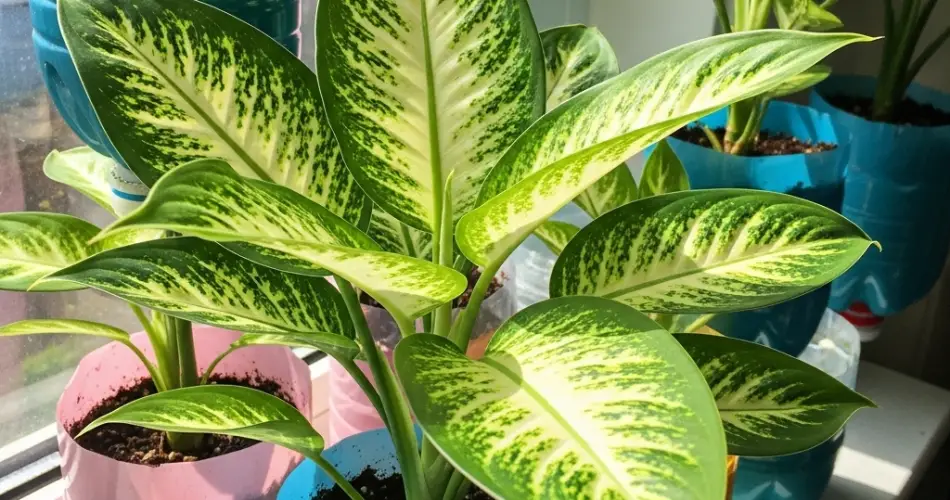
Dumb cane (Dieffenbachia) is a popular tropical houseplant admired for its striking foliage, which features broad leaves with variegated patterns of green, white, and yellow. This plant adds a lush, exotic feel to any indoor space and is relatively easy to grow, even in smaller containers. With the right care and potting approach, you can successfully cultivate a healthy, vibrant dumb cane plant in compact indoor pots.
Whether you’re limited by space or simply prefer small planters, growing dumb cane in small pots is both practical and visually appealing. This guide covers everything you need to know—from selecting the right container to maintaining healthy growth in an indoor environment.
Why Grow Dumb Cane in Small Pots?
Dieffenbachia plants can grow quite tall in their natural environment, but when grown in containers indoors, especially in smaller pots, their size is naturally limited. Here’s why using small pots can be a smart choice:
-
Space-efficient: Perfect for apartments, desks, or window ledges.
-
Controlled growth: Smaller pots limit the plant’s size, making maintenance easier.
-
Aesthetic appeal: Compact pots can be stylish and complement your home décor.
-
Healthier root management: Prevents overwatering and root rot by keeping the soil volume smaller and easier to dry.
However, growing in smaller pots requires mindful watering, soil care, and occasional repotting to avoid stress on the plant.
Choosing the Right Pot
The container you choose plays a vital role in your dumb cane’s health. Here’s what to consider:
-
Size: Start with a pot that’s about 1–2 inches larger than the root ball. Avoid oversized pots, which retain too much moisture and may lead to root rot.
-
Material: Plastic, ceramic, or glazed terracotta pots work well. Ensure they are sturdy enough to support the plant as it grows taller.
-
Drainage: Always use pots with drainage holes to prevent water accumulation at the bottom. If your decorative pot lacks holes, use a plastic liner pot inside it.
You can also use cachepots (outer decorative pots) with removable inner containers for easy watering and drainage.
Ideal Soil for Dumb Cane in Small Pots
Dieffenbachia prefers a well-draining, rich potting mix. Since you’re using a small pot, it’s crucial to use soil that holds some moisture without becoming waterlogged.
Use a commercial indoor plant or aroid mix, or create your own by blending:
-
2 parts peat moss or coco coir
-
1 part perlite or coarse sand
-
1 part compost or well-rotted organic matter
This mix provides enough aeration and nutrients for optimal growth.
Potting and Planting Steps
-
Fill the pot halfway with your prepared soil mix.
-
Gently remove the plant from its current container and shake off excess soil.
-
Check the roots for any signs of rot or damage. Trim dead or mushy roots.
-
Position the plant in the center of the new pot and fill in the gaps with soil.
-
Firm the soil gently around the base to support the plant.
-
Water lightly, just enough to moisten the soil. Allow excess water to drain.
Place the pot in a location with bright, indirect sunlight. Dieffenbachia prefers filtered light—direct sunlight can scorch its leaves, while too little light can cause leggy growth.
Care Tips for Small-Potted Dumb Cane
1. Light:
Bright, indirect light is ideal. East- or north-facing windows work well. In low light, the plant may grow more slowly but will still survive.
2. Watering:
Allow the top inch of soil to dry out before watering again. Overwatering is the most common issue, especially in smaller pots with limited drainage.
3. Humidity:
Dumb cane enjoys moderate to high humidity. Mist occasionally, especially during dry winter months, or place the pot near a humidity tray.
4. Fertilizing:
Use a balanced, water-soluble houseplant fertilizer once a month during spring and summer. Reduce feeding in fall and winter when the plant’s growth slows.
5. Pruning:
Trim off yellow or damaged leaves at the base to maintain a neat appearance. If the plant grows too tall, you can cut back the stem, and new shoots will form below the cut.
When and How to Repot
Eventually, even in a small pot, your dumb cane may become root-bound. Signs include:
-
Roots growing through drainage holes
-
Water draining too quickly
-
Slowed growth despite good care
Repot into a slightly larger pot—only 1–2 inches wider than the current one. Avoid jumping to a significantly larger size, as it can lead to overwatering issues.
Repotting is best done in early spring before the growing season begins.
Safety Note
Dieffenbachia contains calcium oxalate crystals, which can be toxic if ingested and may cause skin irritation. Keep the plant away from pets and small children, and wear gloves when handling or pruning.
Final Thoughts
Growing dumb cane in small indoor pots is a smart way to enjoy this bold, beautiful plant without needing much space. With the right pot, well-draining soil, and consistent care, your Dieffenbachia will flourish and add a tropical flair to your home.
Smaller pots make it easier to manage watering, lighting, and mobility—perfect for both beginner plant parents and experienced indoor gardeners alike. Whether you’re decorating a windowsill, brightening up your office, or enhancing a shelf, a well-potted dumb cane plant brings life and color to any indoor space.


