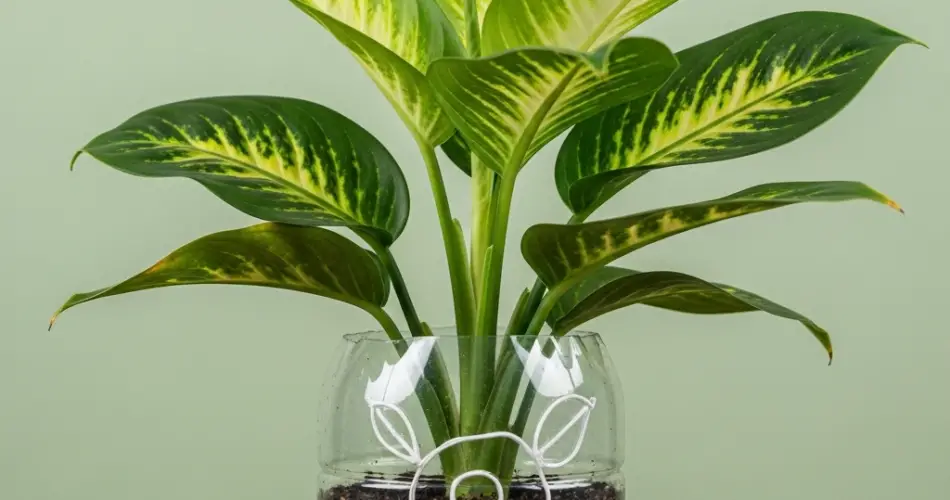
Dieffenbachia, also known as dumb cane, is a popular indoor foliage plant valued for its large, striking leaves with variegated patterns of green, cream, and white. Native to the tropical regions of Central and South America, Dieffenbachia thrives in containers and adapts well to indoor environments. Whether you’re a new plant enthusiast or an experienced gardener, understanding the essentials of soil, watering, and pot size will help keep your Dieffenbachia healthy and vibrant year-round.
Why Choose Dieffenbachia for Containers?
Dieffenbachia is an ideal houseplant for container gardening. It’s tolerant of a variety of indoor conditions, requires moderate maintenance, and adds a bold, tropical flair to any room. Container growing makes it easier to manage watering, soil quality, and light exposure, all of which are crucial for its long-term success indoors.
Choosing the Right Pot
Pot size and type are essential factors in maintaining healthy roots and preventing common issues such as root rot.
Pot Size Tips:
-
Start small: When purchasing a young Dieffenbachia, choose a container that is just slightly larger than its nursery pot. A pot that is too big can hold excess water and lead to overwatering issues.
-
Allow room to grow: As the plant matures, you’ll need to repot it every 12–18 months into a slightly larger container to accommodate root growth.
-
Ideal depth: Dieffenbachia has a moderately shallow root system, so a deep pot is unnecessary. A wide, sturdy container is best to support its tall stems.
Material Options:
-
Plastic pots are lightweight and retain moisture longer—ideal if you tend to underwater.
-
Terracotta or clay pots offer better airflow and prevent overwatering but dry out faster.
Drainage is crucial. Always choose a container with drainage holes to prevent water from pooling at the bottom.
Best Soil for Dieffenbachia
Dieffenbachia prefers a light, well-draining potting mix that retains moisture without becoming soggy. A soil mix that’s too compact will lead to poor aeration, which can damage roots over time.
Recommended soil mix:
-
2 parts all-purpose indoor potting soil
-
1 part perlite or coarse sand (for drainage)
-
1 part peat moss or coco coir (for moisture retention)
This combination keeps the soil loose and helps maintain the right moisture balance for Dieffenbachia’s roots.
Watering Guidelines
Watering Dieffenbachia correctly is essential for maintaining healthy growth and preventing root problems.
How often to water:
-
Water when the top inch of soil feels dry to the touch.
-
In warmer months, this could mean watering once a week; during winter, every 10–14 days may be sufficient.
-
Always adjust based on your indoor climate and pot size.
Watering tips:
-
Water thoroughly until it drains from the bottom, then empty the saucer to avoid standing water.
-
Reduce watering in the colder months when growth slows.
-
Avoid letting the plant sit in water, as this can lead to root rot and fungal issues.
Humidity boost: Dieffenbachia enjoys moderate to high humidity. If your home is dry, consider misting the leaves or placing the pot on a tray filled with pebbles and water to create a humid microclimate.
Light Requirements
Dieffenbachia grows best in bright, indirect light, such as near a north or east-facing window. While it can tolerate low-light conditions, its growth may slow, and the leaf variegation could fade.
Avoid direct sunlight, which can scorch the leaves. If natural light is limited, you can supplement with fluorescent or LED grow lights to maintain healthy growth.
Fertilizing
Feed your Dieffenbachia during the growing season (spring to early autumn) using a balanced, water-soluble houseplant fertilizer diluted to half strength.
-
Fertilize once a month during active growth.
-
Hold off on fertilizing during winter when the plant enters a slower growth phase.
-
Over-fertilizing can lead to salt buildup in the soil—flush the soil every few months with clean water to prevent this.
Repotting and Maintenance
As your Dieffenbachia grows, repotting helps refresh the soil and gives the roots more space.
Repotting steps:
-
Choose a pot 1–2 inches larger in diameter than the current one.
-
Gently remove the plant and shake off old soil.
-
Trim away any rotting or circling roots.
-
Replant with fresh potting mix and water lightly.
Prune yellow or damaged leaves regularly to keep the plant healthy and tidy. You can also cut back leggy stems to encourage bushier growth.
Caution: Dieffenbachia sap is toxic and can irritate the skin and mucous membranes. Always wear gloves when pruning or repotting, and keep the plant out of reach of pets and children.
Common Problems and Solutions
-
Yellowing leaves: Often due to overwatering or poor drainage.
-
Brown leaf edges: Caused by low humidity or inconsistent watering.
-
Drooping leaves: May indicate too much water, not enough light, or a root-bound plant.
-
Pest issues: Occasionally attracts spider mites or aphids—wipe leaves and use insecticidal soap as needed.
Conclusion
Dieffenbachia is a standout houseplant that’s easy to grow in containers with the right care. By choosing an appropriate pot size, using well-draining soil, and establishing a consistent watering schedule, you can enjoy its vibrant foliage and upright growth all year long. With just a little attention to its basic needs, Dieffenbachia will reward you with bold beauty and lush greenery that brightens any indoor space.


