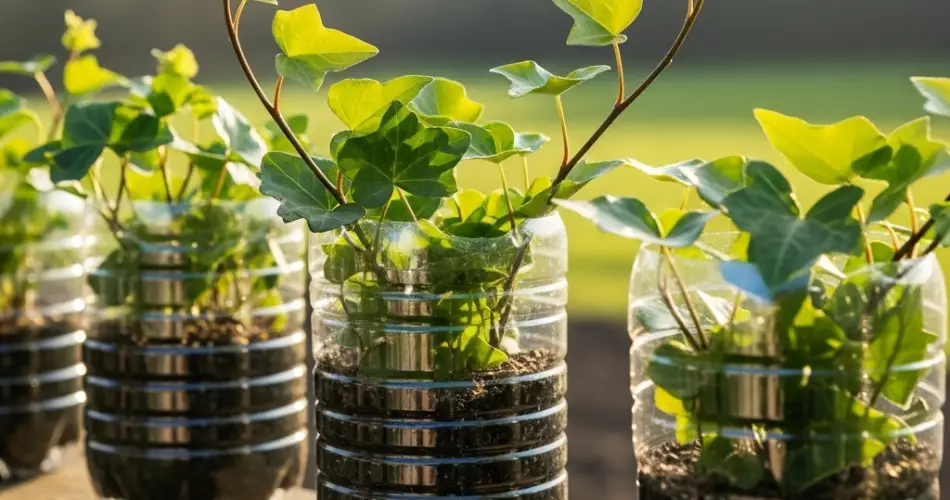
English ivy (Hedera helix) is a classic trailing houseplant known for its lush, evergreen foliage and ability to adapt to a range of indoor environments. Whether you’re growing it in a hanging basket, training it along a trellis, or letting it trail from a windowsill, proper potting is essential to maintaining its health, encouraging vigorous growth, and keeping it looking its best indoors.
In this article, we’ll cover the best potting methods for English ivy, including choosing the right container, selecting appropriate soil, repotting tips, and how to maintain healthy growth once your plant is potted.
Why Potting Matters for English Ivy
Although English ivy is hardy and adaptable, its growth and overall health greatly depend on how it’s potted. Proper potting ensures:
-
Healthy root development
-
Prevention of overwatering and root rot
-
Balanced moisture and nutrient retention
-
Support for climbing or trailing growth habits
Without the right container and soil, ivy can become leggy, dry out too quickly, or suffer from poor root health.
Choosing the Right Pot
1. Drainage is Essential
The most important feature in any pot for English ivy is good drainage. Always choose a container with one or more holes at the bottom to allow excess water to escape. Ivy does not tolerate soggy soil and is prone to root rot in poorly draining conditions.
2. Material Options
-
Plastic pots: Lightweight and inexpensive. These hold moisture well, making them a good choice for drier indoor environments.
-
Terra cotta (clay) pots: Porous and breathable, which helps prevent overwatering. However, they dry out faster, so more frequent watering may be required.
-
Ceramic pots (glazed): Decorative and moisture-retaining, but ensure they have proper drainage holes.
3. Size Considerations
Select a pot that’s only slightly larger than the root ball—about 1 to 2 inches wider. Overly large pots retain too much water, which can harm ivy roots. English ivy prefers slightly snug conditions, especially when young.
Selecting the Right Soil
English ivy thrives in well-draining potting soil. The ideal mix should retain some moisture but not stay wet. Here’s what to look for:
-
A high-quality all-purpose indoor potting mix
-
Additives like perlite or coarse sand to improve drainage
-
Optional addition of peat moss or coconut coir for better moisture retention in dry climates
You can also create your own mix by blending:
-
2 parts potting soil
-
1 part perlite or sand
-
1 part compost or coco coir
Avoid using garden soil indoors, as it may compact and hold too much water.
How to Pot English Ivy
Follow these steps to successfully pot your indoor ivy:
-
Choose a clean container with drainage holes.
-
Layer the bottom with a small amount of gravel or stones to further assist with drainage (optional).
-
Fill the pot halfway with your prepared soil mix.
-
Gently remove the ivy from its current container, loosening the root ball slightly.
-
Place the plant in the new pot and fill around the roots with soil.
-
Firm the soil gently to eliminate air pockets, but don’t compact it too tightly.
-
Water thoroughly until water drains from the bottom.
-
Let excess water drain completely before placing the pot on a saucer or tray.
Best Potting Locations Indoors
English ivy loves bright, indirect light, though it can tolerate lower light levels. When choosing a spot:
-
Avoid direct afternoon sun, which may scorch the leaves.
-
East- or north-facing windows are ideal.
-
Ensure airflow around the pot to prevent fungal problems.
If growing in hanging pots or on shelves, consider letting the vines trail downward for a natural cascading effect.
Ongoing Care and Repotting
-
Watering: Water when the top inch of soil feels dry. Don’t let the plant sit in water.
-
Humidity: Ivy prefers moderate humidity. Mist occasionally or place near a humidifier if the air is too dry.
-
Feeding: Fertilize monthly in spring and summer with a balanced liquid houseplant fertilizer.
-
Trimming: Prune regularly to control growth, encourage bushiness, and remove any yellowing or leggy stems.
Repotting is usually needed every 1–2 years or when the plant becomes root-bound. Signs include roots growing out of the drainage holes or water running straight through the pot without soaking in.
Supporting Climbing Ivy
If you want your English ivy to climb rather than trail, install a trellis, moss pole, or small lattice in the pot. As ivy grows, gently guide the vines around the structure and secure them loosely with plant ties if needed. Over time, ivy will naturally wrap and climb on its own.
Final Thoughts
Proper potting is key to cultivating a lush and healthy English ivy plant indoors. With the right container, soil, and ongoing care, your ivy will reward you with vibrant green foliage and elegant trailing or climbing growth.
Whether you prefer a classic hanging planter or a decorative pot on a windowsill, English ivy adapts beautifully to your style—so long as its roots are well cared for. With thoughtful potting, your ivy will flourish for years as a green, graceful addition to your indoor garden.


