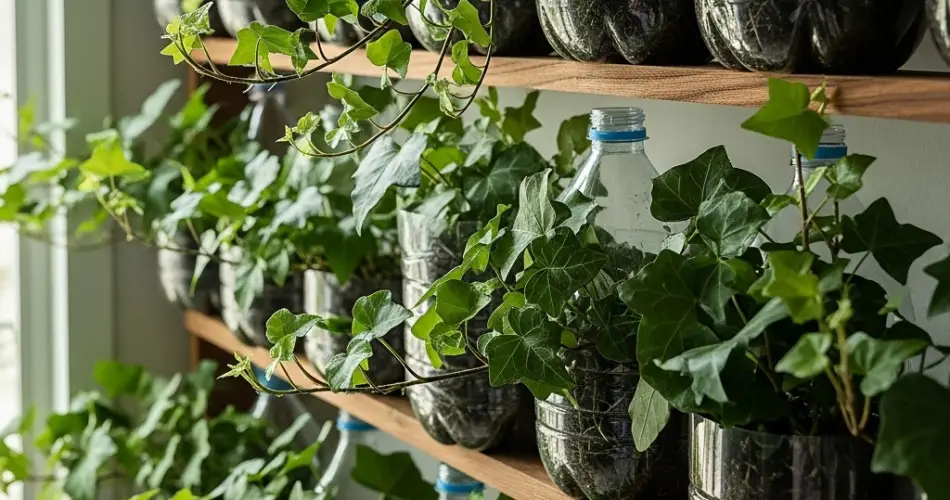
English ivy (Hedera helix) is a classic trailing vine, well-loved for its lush green leaves and elegant cascading growth. Though commonly seen climbing up walls or fences outdoors, it also thrives beautifully in containers indoors. Whether placed on a windowsill, tabletop, or hanging basket, English ivy adds timeless charm to any indoor setting.
Container gardening with English ivy is easy, versatile, and suitable even for beginners. With the right setup and care, you can enjoy a thriving indoor vine that purifies the air and elevates your home’s aesthetic.
Why Grow English Ivy in Containers?
English ivy is naturally fast-growing and hardy, which makes it an excellent candidate for container gardening. Growing it in pots or hanging planters also helps control its spread, as ivy can be invasive in outdoor landscapes if not managed properly.
Benefits of growing English ivy in containers:
-
Space-saving: Perfect for small apartments, windowsills, and balconies
-
Air-purifying: Helps remove indoor pollutants
-
Low-maintenance: Thrives with minimal attention
-
Customizable: Can be grown in hanging baskets, tabletop planters, or trellised pots
-
Stylish: Adds texture and a classic touch to modern or rustic interiors
Choosing the Right Container
The container you choose plays a key role in the health of your ivy plant.
Tips for selecting the ideal container:
-
Drainage holes are essential. Ivy does not like soggy roots, so the container must allow excess water to escape.
-
Shallow to medium-depth pots work well since ivy roots don’t grow too deep.
-
Material options: Plastic pots retain moisture longer, while terracotta pots allow for better airflow and dry faster.
-
Hanging baskets or elevated pots highlight ivy’s trailing vines beautifully.
For a more decorative touch, consider upcycling items like metal buckets, old mugs, or even plastic bottles, as long as drainage is ensured.
Ideal Soil Mix
English ivy prefers well-draining, fertile soil. A standard houseplant potting mix usually works well, but you can improve it by adding materials that increase drainage and aeration.
Suggested mix:
-
2 parts all-purpose potting soil
-
1 part perlite or coarse sand
-
Optional: 1 part peat moss or coco coir to help retain light moisture
Avoid heavy or clay-based soils, which can retain too much water and lead to root rot.
Light and Temperature Requirements
English ivy is quite adaptable but thrives best in bright, indirect light. While it can tolerate lower light levels, variegated varieties may lose some of their color in dim environments.
Light tips:
-
Place near an east- or north-facing window for soft morning light.
-
Avoid harsh direct sunlight, especially in the afternoon, which can scorch the leaves.
-
For trailing displays, rotate the plant weekly to ensure even growth.
Temperature and humidity: Ivy prefers temperatures between 10°C to 21°C (50°F to 70°F). It can handle cooler temperatures but does not like high heat or dry indoor air. If your home is very dry, mist the leaves occasionally or place the pot on a tray filled with pebbles and water to increase humidity.
Watering and Fertilizing
Watering: Keep the soil lightly moist but not wet. Allow the top inch of soil to dry out between waterings.
-
Water thoroughly, letting excess drain out.
-
Reduce watering in the cooler months when growth slows.
-
Avoid overwatering, which is the most common cause of ivy decline indoors.
Fertilizing: Feed your ivy once a month during the growing season (spring to early autumn) using a balanced, water-soluble houseplant fertilizer diluted to half strength. There’s no need to fertilize in winter.
Pruning and Training
Regular pruning keeps ivy compact, full, and healthy. Without trimming, ivy can become leggy or unruly.
-
Pinch back tips to encourage bushier growth.
-
Trim dead or yellowing leaves to keep the plant tidy.
-
Use small trellises, hoops, or stakes in the pot if you’d like to train your ivy to climb instead of trail.
For hanging displays, let the vines cascade naturally, trimming as needed to maintain shape and prevent tangling.
Repotting and Maintenance
English ivy grows quickly and may become root-bound after a year or two.
-
Repot in spring when roots start circling the bottom of the pot.
-
Move to a container one size larger with fresh soil.
-
Use gloves when handling ivy, as the sap may cause mild skin irritation in some individuals.
Pests and Problems
Indoor ivy may occasionally attract pests like spider mites, aphids, or scale. Check the undersides of leaves regularly and:
-
Wipe the leaves with a damp cloth or rinse the plant under running water.
-
Use insecticidal soap or neem oil if infestations persist.
-
Ensure good air circulation and avoid overwatering to minimize problems.
Conclusion
English ivy is a timeless favorite that’s as easy to grow as it is beautiful. With the right container, soil, light, and watering routine, you can enjoy lush, trailing vines year-round. Whether grown in a hanging basket or trained to climb a trellis, this classic plant adds elegance, texture, and greenery to any indoor space. Container gardening with English ivy is a simple way to bring nature indoors—perfect for both beginners and experienced plant lovers.


