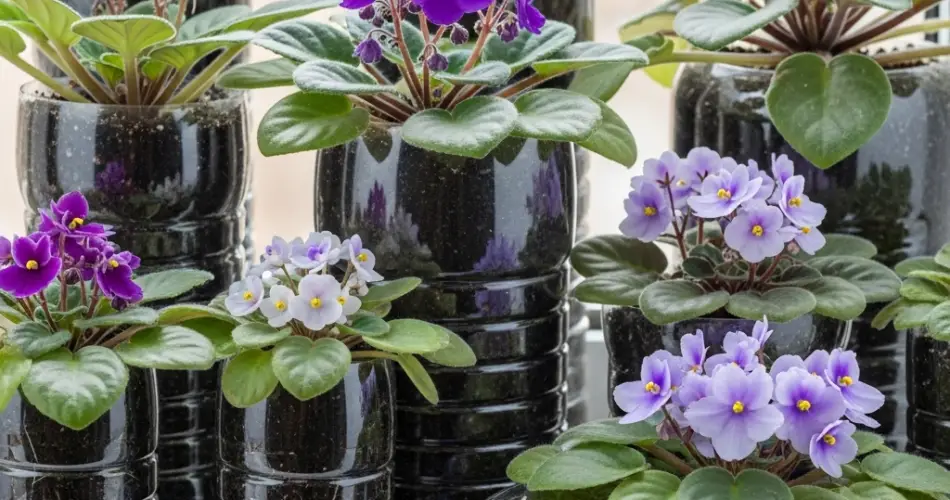
African violets (Saintpaulia) are beloved houseplants known for their delicate, velvety leaves and vibrant, long-lasting blooms. While they’re relatively easy to care for, one crucial factor that directly influences their health and flowering potential is the type of pot they grow in. Choosing the right container can mean the difference between a thriving, flowering plant and one that struggles with root rot, stunted growth, or poor blooming.
In this article, we’ll explore the best types of pots for African violets, what materials to use, the importance of drainage, and how pot size affects plant health. Whether you’re a beginner or a seasoned indoor gardener, these tips will help you set your African violets up for success.
Why Pot Selection Matters
African violets are sensitive to their growing environment, particularly at the root level. Their roots are delicate and prefer to be slightly snug in their pots. Overpotting or poor drainage can quickly lead to root issues, while the wrong material can affect how well moisture is retained.
A well-chosen pot ensures:
-
Proper drainage and air circulation
-
Correct root development
-
Healthy moisture levels
-
Improved flowering and foliage growth
Best Materials for African Violet Pots
1. Plastic Pots
Plastic is one of the most common choices for African violets. It retains moisture well, is lightweight, and comes in various sizes and styles. Since plastic doesn’t breathe, it helps keep the soil evenly moist—ideal for violets, which dislike drying out too quickly.
Pros:
-
Retains moisture longer
-
Inexpensive and widely available
-
Easy to clean and reuse
Cons:
-
Can lead to overwatering if drainage is inadequate
2. Terra Cotta (Clay) Pots
Terra cotta is a breathable material that allows moisture and air to pass through its walls. This helps prevent overwatering and promotes healthy root aeration. However, because it wicks moisture away from the soil, it may require more frequent watering.
Pros:
-
Natural breathability
-
Reduces risk of root rot
Cons:
-
Soil dries out faster
-
Heavier and prone to cracking
3. Ceramic Pots
Glazed ceramic pots are both decorative and functional. They retain moisture like plastic pots but often come with fewer drainage holes, so it’s important to ensure proper drainage before using them for African violets.
Pros:
-
Stylish and available in many colors
-
Good moisture retention (if glazed)
Cons:
-
May lack adequate drainage
-
Heavier and more fragile than plastic
Drainage Is Non-Negotiable
One of the most important features of a pot for African violets is good drainage. These plants are highly susceptible to root rot, and standing water can quickly cause problems. Always choose pots with drainage holes at the bottom.
If your preferred decorative pot lacks drainage, use it as a cachepot. Place a plastic nursery pot with drainage holes inside it, and remove the inner pot when watering to allow full drainage before placing it back inside the outer container.
The Importance of Pot Size
African violets prefer to be slightly root-bound. A pot that’s too large holds excess soil, which retains too much moisture and increases the risk of root rot. As a general rule:
-
The diameter of the pot should be about one-third the diameter of the leaf spread.
-
For small to medium plants, 2 to 4-inch pots work best.
-
Repot only when roots begin to outgrow the pot or the plant becomes top-heavy.
Avoid upsizing too quickly. Instead, gradually increase the pot size as needed, choosing containers that give roots just enough space to grow without overwhelming them.
Self-Watering Pots: A Convenient Option
For busy plant owners or those concerned about watering consistency, self-watering pots are an excellent choice. These systems feature a reservoir that keeps the soil evenly moist through capillary action, supplying water from below as the plant needs it.
African violets respond well to bottom watering, and self-watering pots reduce the risk of leaf damage from splashing water. Make sure to clean the reservoir periodically to prevent algae or mineral buildup.
Additional Potting Tips
-
Use shallow pots: African violets have shallow root systems and do best in wider, shallow pots rather than deep containers.
-
Sterilize reused pots: Always wash and disinfect previously used pots to prevent disease transmission.
-
Avoid dark-colored pots if your growing area is exposed to direct sunlight—dark colors absorb heat and can overheat the roots.
Final Thoughts
Selecting the right pot for your African violets is more than just a stylistic choice—it directly influences the health, vitality, and blooming ability of your plant. Opt for a container that provides excellent drainage, matches the size of your plant, and complements your watering routine.
Whether you choose plastic for ease, terra cotta for breathability, or a self-watering pot for convenience, the key is to create an environment where your African violet can thrive. With the right pot and proper care, your violets will reward you with lush leaves and colorful, cheerful blooms all year round.


