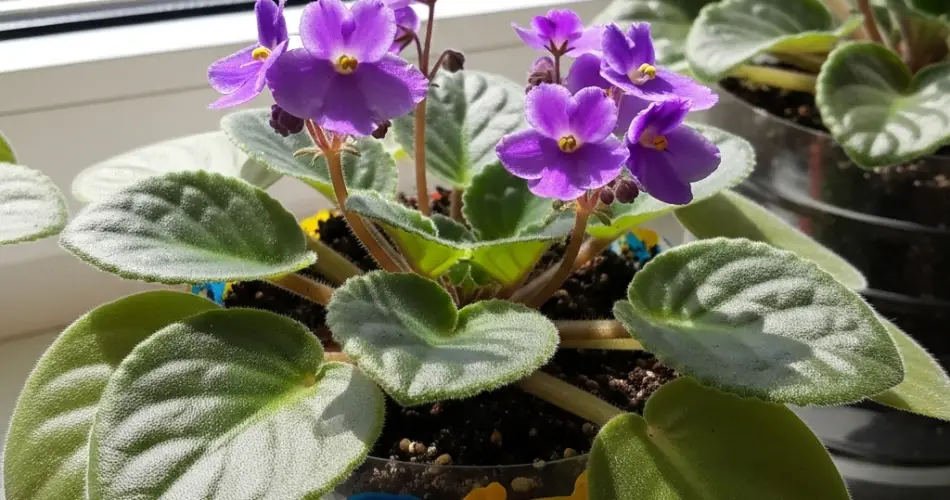
African violets (Saintpaulia) are one of the most beloved flowering houseplants, cherished for their compact size, colorful blooms, and velvety foliage. Native to East Africa, these charming plants thrive indoors and are perfect for beginners who want to start container gardening. With the right container, soil, and care routine, growing African violets at home can be both simple and rewarding.
This guide provides an easy-to-follow introduction to African violet container gardening, ideal for those new to indoor plant care.
Why Choose African Violets?
African violets are well-suited to container gardening for several reasons:
-
Compact Size: These plants remain small, making them ideal for windowsills, desks, or shelves.
-
Year-Round Blooms: With proper care, they can flower several times a year.
-
Low Maintenance: Once established, they require minimal effort to thrive.
-
Color Variety: Available in shades of purple, pink, white, blue, and even bi-colored petals.
-
Indoor Friendly: They adapt well to indoor lighting and temperature conditions.
These features make African violets a perfect starter plant for budding indoor gardeners.
Choosing the Right Container
African violets prefer small containers that match the size of their root system. A pot that’s too large can lead to overwatering and root rot, while a container that’s too small may stunt growth.
Key tips:
-
Size: Use a shallow container about one-third the diameter of the plant’s leaf spread.
-
Material: Plastic pots retain moisture, while clay pots allow better air circulation. Choose based on your watering habits.
-
Drainage: Ensure the container has drainage holes. African violets are sensitive to excess water and will not tolerate soggy soil.
Self-watering pots with a water reservoir are a good option, especially for beginners. They help maintain consistent moisture without the risk of overwatering.
Ideal Soil Mix
African violets need a well-aerated, lightweight soil mix. Regular garden soil is too dense and can smother the roots.
Recommended potting mix:
-
1 part peat moss or coco coir
-
1 part vermiculite
-
1 part perlite
This combination holds moisture while ensuring excellent drainage and aeration. You can also use commercial African violet potting mixes, which are readily available and specially formulated for their needs.
Planting Your African Violet
Follow these steps to pot your plant successfully:
-
Fill the container with the potting mix, leaving a small space at the top.
-
Gently remove the violet from its nursery pot, taking care not to damage the leaves or roots.
-
Place the root ball in the new container and add more soil around it, firming lightly.
-
Water from the bottom by placing the container in a saucer of water for about 30 minutes. This encourages the roots to reach down and prevents water from touching the leaves.
Avoid watering from the top, as water droplets on the leaves can cause spotting or rot.
Light Requirements
African violets prefer bright, indirect light. They need enough light to bloom, but too much direct sunlight can scorch the leaves.
Tips for proper lighting:
-
Place near an east- or north-facing window.
-
Avoid harsh midday sun.
-
If natural light is limited, use fluorescent or LED grow lights for 12–14 hours a day.
Rotate the plant every week to ensure even growth and prevent it from leaning toward the light source.
Watering and Humidity
African violets like their soil to stay slightly moist but not soggy. The frequency of watering depends on the container size, soil mix, and environmental conditions.
Best practices:
-
Water when the top inch of soil feels dry.
-
Use room-temperature water.
-
Avoid getting water on the leaves.
-
Provide moderate humidity (around 50%). If your home is dry, place a tray of water with pebbles near the plant or use a humidifier.
Fertilizing
To keep African violets blooming, feed them with a balanced liquid fertilizer formulated for flowering houseplants.
-
Fertilize every 2–4 weeks during the growing season.
-
Dilute the fertilizer to half the recommended strength to avoid root burn.
-
Reduce feeding in winter when growth naturally slows down.
General Care and Maintenance
-
Deadhead spent flowers to encourage new blooms.
-
Wipe the leaves with a soft brush or cloth to remove dust.
-
Repot every 6–12 months using fresh soil to prevent nutrient depletion and salt buildup.
-
Watch for pests like mealybugs and spider mites. Remove them with neem oil or insecticidal soap.
Common Problems and Solutions
-
No Blooms? May be due to insufficient light or over-fertilizing.
-
Yellow Leaves? Could indicate overwatering or poor drainage.
-
Crown Rot? Avoid watering the center of the plant. Ensure proper airflow and drainage.
Conclusion
African violets are a fantastic choice for beginner indoor gardeners, offering vibrant blooms and easy care. By selecting the right container, using a well-draining soil mix, and providing suitable light and watering, you can enjoy a thriving plant that flowers year-round. With a bit of attention and the right setup, African violet container gardening becomes a relaxing and rewarding hobby that brightens any indoor space


