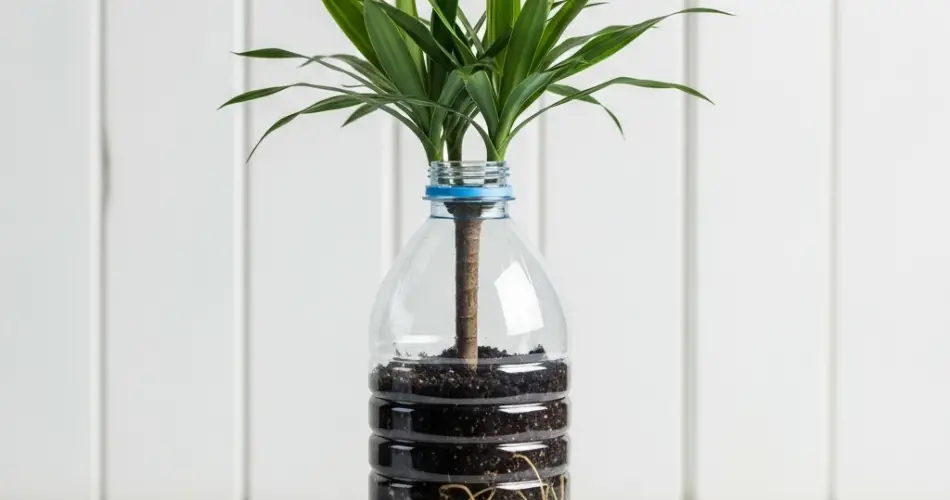
Dracaena is a striking, easy-to-grow houseplant known for its tall, upright growth and architectural form. With varieties like Dracaena marginata (dragon tree), Dracaena fragrans (corn plant), and Dracaena reflexa (song of India), this plant adds vertical interest and lush greenery to indoor spaces. While Dracaenas are generally low-maintenance, one crucial factor that directly affects their health and growth is the size of the pot they’re planted in.
Choosing the correct pot size can help prevent root rot, encourage steady growth, and maintain a healthy balance between the plant and its container. Whether you’re starting with a small plant or repotting a towering Dracaena, understanding how pot size impacts development is key to successful container gardening.
Why Pot Size Matters for Dracaena
The size of your Dracaena’s pot determines how well the roots are supported, how much water the soil retains, and how tall the plant can eventually grow.
Too small a pot:
-
Can lead to root binding (when roots circle the pot and become compacted)
-
Causes restricted growth
-
Requires more frequent watering
Too large a pot:
-
Holds excess moisture, leading to root rot
-
Can cause uneven water distribution
-
May slow plant development due to excess soil volume
The goal is to provide just enough space for healthy root expansion while avoiding waterlogged conditions.
Selecting the Right Container Size
When selecting a container for your Dracaena, use these guidelines:
-
Start with a pot that is 1–2 inches wider in diameter than the plant’s current root ball.
-
For young plants, a 6- to 8-inch diameter pot works well.
-
For larger, more mature Dracaenas (3 feet and taller), choose 10- to 14-inch pots depending on the base size and root spread.
When repotting, only increase the pot size by one size (about 1–2 inches larger in diameter). Oversized pots may encourage overwatering due to excess soil retaining moisture.
Pot Depth and Material Considerations
Depth:
Dracaena roots don’t grow especially deep, so a moderately deep container is sufficient. A pot that’s too deep may lead to pooling water at the bottom, especially if the plant isn’t absorbing moisture quickly.
Material:
-
Plastic pots retain moisture longer and are lightweight.
-
Terracotta or clay pots are more porous and promote better air circulation but dry out faster.
-
Ceramic pots (with proper drainage holes) offer a decorative touch but may be heavier.
Whichever you choose, drainage holes are a must. Proper drainage prevents stagnant water from damaging the root system.
Soil for Container-Grown Dracaena
Dracaenas prefer a well-draining, lightweight potting mix that retains some moisture but doesn’t stay soggy.
Recommended soil blend:
-
2 parts regular potting soil
-
1 part perlite or pumice
-
1 part peat moss or coco coir
Avoid using heavy garden soil or dense mixes that compact easily and retain too much water.
Watering Based on Pot Size
Pot size directly affects your watering frequency. Smaller pots dry out faster and need more frequent watering. Larger pots retain water longer, increasing the risk of overwatering if you’re not careful.
Watering tips:
-
Water thoroughly, then allow the top 1–2 inches of soil to dry before watering again.
-
Use pots with saucers to collect excess water, but empty the saucer afterward to avoid soggy roots.
-
Reduce watering frequency during cooler months when growth slows.
Signs of overwatering include yellowing leaves, mushy stems, or foul-smelling soil. If underwatered, the plant may show brown tips or drooping foliage.
Repotting Tall Dracaenas
Dracaenas should be repotted every 2–3 years or when you notice signs of being root-bound (roots growing through drainage holes, stunted growth, or wilting despite watering).
Steps to repot:
-
Choose a new container 1–2 inches wider than the current one.
-
Gently remove the plant from its existing pot.
-
Loosen and trim any circling or dead roots.
-
Place fresh soil at the bottom of the new container.
-
Center the plant and fill in around the roots, firming the soil gently.
-
Water thoroughly and allow excess water to drain.
Repotting not only gives the roots more space but also refreshes the nutrient content of the soil.
Supporting Tall Dracaenas
As Dracaenas grow taller, they can become top-heavy, especially if grown in narrow containers. Use the following strategies to support them:
-
Choose a wider, heavier pot to anchor the plant.
-
Add decorative stones or weights at the base for added stability.
-
Use plant stakes to help keep the stems upright if needed.
Regular pruning of older or drooping leaves also helps maintain a balanced appearance and reduces top weight.
Conclusion
When it comes to growing a tall and healthy Dracaena, pot size truly matters. A container that’s appropriately sized—neither too tight nor too roomy—supports optimal root development, prevents watering issues, and helps your plant grow tall and strong. Combine the right pot with well-draining soil, a smart watering routine, and occasional repotting, and your Dracaena will reward you with years of graceful greenery and upright growth.


