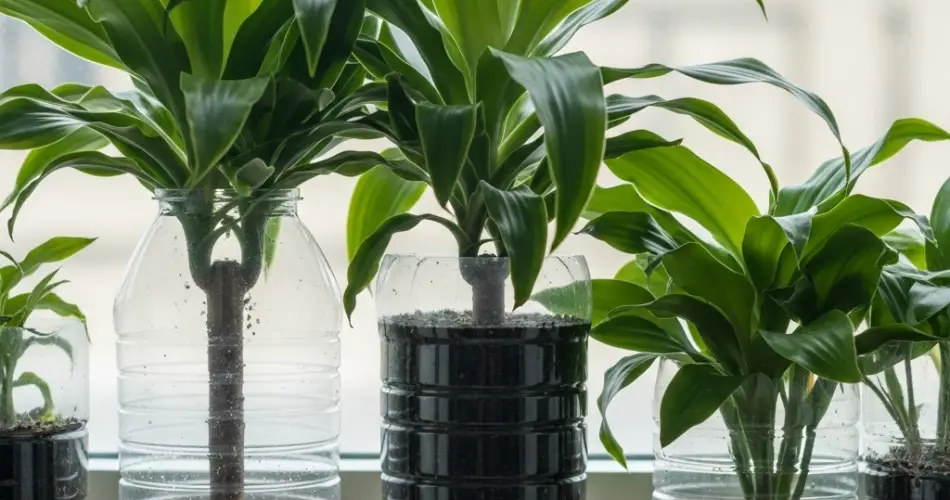
Dracaena is a popular houseplant known for its striking, sword-like foliage and its ability to adapt well to indoor conditions. With various types such as Dracaena marginata (dragon tree), Dracaena fragrans (corn plant), and Dracaena reflexa (song of India), this plant brings vertical interest and a touch of the tropics to any home. One of the best things about growing dracaena is that it thrives in containers, making it perfect for apartments, offices, and indoor gardens.
While dracaena is considered low-maintenance, its health and appearance heavily depend on proper potting techniques, the right type of soil, ideal lighting conditions, and appropriate watering habits. This article will guide you through the best container care tips to ensure your dracaena grows lush, strong, and vibrant indoors.
Choosing the Right Container
Dracaena grows best in containers that support healthy root development and prevent water from pooling around the roots. When selecting a pot:
-
Use containers with drainage holes. Dracaena is sensitive to overwatering, so drainage is essential to prevent root rot.
-
Size matters. Choose a pot that is 1–2 inches larger in diameter than the current root ball. Avoid pots that are too large, as excess soil will hold moisture and increase the risk of root problems.
-
Materials like plastic, ceramic, or terra cotta are all acceptable. Plastic pots retain moisture longer, while terra cotta is more breathable and can help avoid overwatering.
If you like decorative planters without holes, use them as cachepots by placing a smaller nursery pot with drainage inside.
The Best Soil for Dracaena
Soil plays a crucial role in supporting healthy growth. Dracaena prefers well-draining, loose soil that allows roots to breathe and prevents water from sitting for too long.
Ideal soil characteristics include:
-
Light texture: Avoid heavy or compacted soil.
-
Good drainage: A mix that dries out between waterings is preferred.
-
Moderate organic content: Enough to provide nutrients without water retention.
Recommended soil mix:
-
2 parts all-purpose potting soil
-
1 part perlite or pumice
-
1 part peat moss or coco coir
This combination ensures a balance of drainage, moisture retention, and nutrient availability.
Avoid soils that contain too much clay or that stay wet for long periods. If you’re using store-bought houseplant soil, consider mixing in extra perlite for improved aeration.
Light Requirements
Dracaena thrives in bright, indirect light but is adaptable to a variety of indoor lighting conditions. Understanding its light preferences can help prevent leaf issues and promote strong, balanced growth.
-
Ideal conditions: Near an east- or north-facing window with filtered sunlight.
-
Tolerant of lower light: Dracaena can survive in shaded areas, but growth may slow, and variegated leaves may lose their color.
-
Avoid direct sun: Prolonged exposure to harsh midday sunlight can scorch the leaves, causing browning and leaf burn.
If your dracaena is leaning or stretching toward the light, rotate the pot every few weeks to encourage even growth.
Watering Tips
Watering is where many plant owners go wrong with dracaena. These plants are more tolerant of dry conditions than excessive moisture. Overwatering is the most common cause of root rot and leaf yellowing.
Watering guidelines:
-
Allow the top inch or two of soil to dry out before watering again.
-
Use room-temperature water and pour slowly until it drains from the bottom of the pot.
-
Empty the saucer underneath to prevent the roots from sitting in water.
-
Reduce watering during the cooler months when growth slows.
Signs of underwatering include brown leaf tips, dry edges, and drooping leaves. Signs of overwatering include yellowing leaves, mushy stems, and a sour-smelling pot.
Dracaena is also sensitive to fluoride in tap water, which can cause leaf tip burn. To prevent this, use filtered, distilled, or rainwater when possible.
Other Container Care Tips
-
Fertilizing: During spring and summer, feed with a diluted liquid houseplant fertilizer once a month. Skip feeding in fall and winter.
-
Cleaning: Wipe leaves occasionally with a damp cloth to remove dust and improve photosynthesis.
-
Repotting: Dracaena grows slowly, so it typically needs repotting every 2–3 years. Signs that it’s time to repot include roots growing out of the drainage holes, the plant becoming top-heavy, or the soil no longer absorbing water evenly.
-
Humidity: Dracaena enjoys moderate humidity. If your indoor air is dry, mist occasionally or use a humidity tray.
Final Thoughts
Growing dracaena in containers is a great way to add structure and greenery to your indoor space. With the right soil, a well-draining pot, proper light exposure, and consistent watering habits, your dracaena can thrive for many years as a resilient and stylish houseplant.
Its air-purifying qualities and elegant look make it a favorite for beginners and experienced indoor gardeners alike. By paying attention to its container needs, you’ll ensure your dracaena remains healthy, lush, and a standout feature in your home or office.


