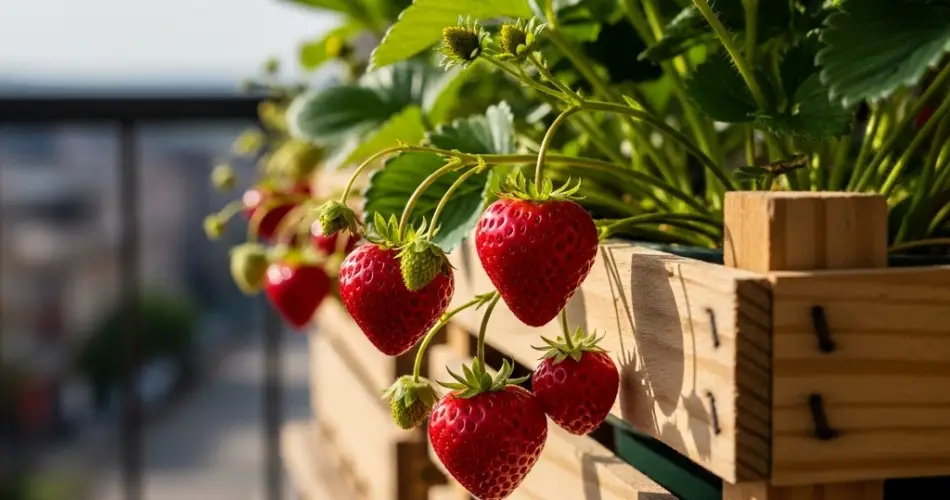
Fresh strawberries are among the most rewarding fruits to grow at home. Their vibrant color, juicy texture, and sweet flavor make them a garden favorite. But if you don’t have yard space or a traditional garden, you can still grow strawberries on your balcony—using crates.
Balcony crate gardening is a clever and space-efficient way to grow strawberries. Crates offer excellent drainage, are easy to move, and can be adapted to even the smallest outdoor space. Whether you have a sunny corner or a narrow ledge, you can harvest your own delicious berries just steps from your kitchen.
Why Grow Strawberries in Crates?
Strawberries are especially well-suited to container gardening for several reasons:
-
Compact growth – Their shallow roots adapt well to containers and crates
-
Sun-loving – They thrive in full sun, which most balconies can provide
-
Tidy and manageable – Crates keep plants organized and off the ground
-
Portable – Easily move crates to catch the sun or shelter from storms
-
Great drainage – Reduces the risk of root rot and disease
-
Beautiful and edible – Green foliage, white flowers, and red fruits add beauty to your balcony
Crates also allow for creative layouts—stack them, line them up, or raise them on stands to suit your space and aesthetic.
Best Strawberry Varieties for Crate Growing
When choosing strawberries for balcony crates, consider compact and productive varieties:
-
Albion – A day-neutral variety that produces sweet berries from spring to fall
-
Seascape – Tolerates heat well and produces large, flavorful fruit
-
Ozark Beauty – Ever-bearing and known for cold hardiness
-
Quinault – Great for containers and yields juicy fruit in two big flushes
-
Tristar – Compact and ideal for small spaces, with reliable yields
Opt for ever-bearing or day-neutral types if you want a continuous supply throughout the season.
Materials You’ll Need
Gather the following supplies before planting:
-
A wooden or plastic crate (at least 8–10 inches deep)
-
Landscape fabric or mesh to line the bottom
-
Quality potting mix with compost and perlite or coco coir
-
Strawberry seedlings (bare-root or potted)
-
Hand trowel and watering can
-
Organic liquid fertilizer (optional but helpful)
-
Straw or dry mulch for moisture control
Make sure the crate is clean and has good ventilation and drainage.
Step 1: Prepare the Crate
If your crate has wide gaps or slats, line the bottom and sides with landscape fabric, burlap, or newspaper to prevent soil from falling out while still allowing water to drain.
Set the crate in a spot on your balcony that receives 6–8 hours of sunlight daily. Strawberries love full sun and need it to develop sweet, juicy fruit.
Step 2: Fill and Plant
Fill the crate with rich, loose potting soil mixed with compost. Leave an inch or so below the rim to allow space for watering.
Plant strawberries so the crown (where the leaves meet the roots) sits right at soil level—too deep and the plant may rot; too shallow and it may dry out.
Space each plant about 8–10 inches apart. In a standard crate, you can fit 4–6 plants depending on its size.
Step 3: Watering and Feeding
Strawberries prefer evenly moist soil but do not like to sit in water. Water regularly, especially during dry spells or in containers exposed to full sun. Always water at the base, avoiding wetting the leaves to reduce disease risk.
Feed every 2–3 weeks with a balanced organic fertilizer or compost tea during the growing season. This supports healthy flower and fruit development.
Apply a thin layer of straw or mulch around the plants to retain moisture and keep berries clean.
Step 4: Care and Maintenance
Watch for pests like aphids, spider mites, or slugs. Inspect leaves regularly and remove damaged or yellowing ones. Use organic pest control methods such as neem oil or hand removal when necessary.
As flowers form, gently shake or brush them to encourage pollination—especially on windy or insect-scarce balconies.
Pinch off the first few flowers after planting to help the plants focus on establishing roots and leaves.
Step 5: Harvesting Your Strawberries
Strawberries are ready to harvest when they are fully red, firm, and fragrant. Pick them with the green cap still attached for better shelf life.
Harvest every couple of days to keep the plant producing more fruit. Eat them fresh, freeze them, or use them in desserts and drinks.
The more often you harvest, the more fruit the plant will try to produce.
Step 6: Post-Harvest Care and Replanting
After the main fruiting season ends, trim back old leaves and remove any runners (unless you want to propagate new plants). Keep watering and feeding the plants to encourage a second flush if you’re growing ever-bearing varieties.
In cooler climates, you can overwinter crates by insulating them or moving them to a sheltered area. Refresh the soil and replant in spring for another fruitful season.
Final Thoughts
Strawberries grown in balcony crates are the perfect blend of beauty and utility. This compact gardening method brings fresh fruit into reach for anyone, regardless of space limitations.
With sunlight, good soil, and a bit of care, you’ll be rewarded with sweet, juicy berries right outside your door—proof that even the smallest spaces can yield big flavors.


