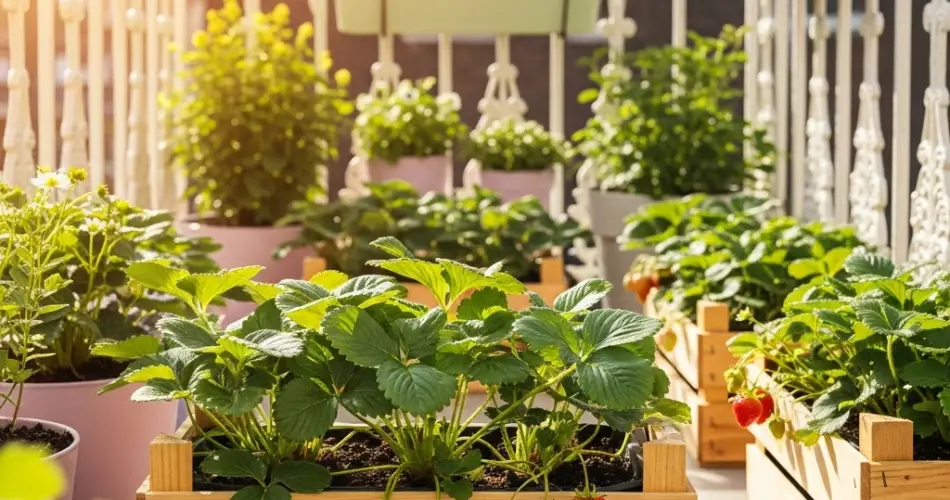
Strawberries are one of the most rewarding fruits you can grow at home. Their sweet flavor, vibrant color, and delightful aroma make them a favorite among gardeners of all skill levels. Even if you live in an apartment or have limited outdoor space, you can still enjoy a bountiful harvest of strawberries right from your balcony using wooden berry crates.
Wooden crates are not only stylish and compact, but they also provide excellent drainage and structure for container gardening. With proper care and setup, your crate-grown strawberry plants can produce juicy berries season after season—perfect for snacking, smoothies, or desserts.
Why Grow Strawberries in Crates?
Strawberries are naturally well-suited to container gardening. Their shallow root systems and compact growth make them ideal for raised boxes like berry crates. Here’s why crates are a great choice:
-
Space-efficient: Perfect for balconies, small patios, and decks.
-
Portable: Crates can be easily moved to catch the best sunlight.
-
Great drainage: Prevents waterlogging and root rot.
-
Reusable and eco-friendly: Repurposed wooden crates reduce waste.
-
Aesthetic appeal: Adds rustic charm to any balcony garden.
By growing strawberries in crates, you gain more control over soil quality, watering, and pests—ensuring a healthy harvest even in a small space.
Best Strawberry Varieties for Containers
When growing strawberries in crates, it’s important to select varieties that thrive in confined spaces and produce abundant fruit. Choose from the following:
-
Alpine Strawberries: Small, fragrant berries perfect for compact containers.
-
Tristar: A day-neutral variety that produces berries consistently throughout the season.
-
Seascape: Known for its large fruit and excellent flavor in container setups.
-
Albion: Another day-neutral variety with firm, sweet fruit and high yield.
-
Temptation: An everbearing type well-suited to crates and hanging baskets.
Day-neutral and everbearing varieties are great for balconies because they produce fruit over an extended period.
Materials You’ll Need
To get started, you’ll need the following:
-
A clean wooden crate (at least 6–8 inches deep)
-
Landscape fabric or coconut liner
-
Potting mix suitable for fruits and vegetables
-
Compost or worm castings
-
Strawberry seedlings or runners
-
Small trowel
-
Watering can or hose with a gentle spray
If your crate has wide slats or gaps at the bottom, use landscape fabric to line it. This will prevent soil from falling out while still allowing drainage.
Preparing the Crate
-
Line the interior of the crate with landscape fabric, trimming it to fit snugly. This helps retain soil while letting excess water drain.
-
Fill the crate with a well-draining soil mix. A good combination is:
-
2 parts quality potting soil
-
1 part compost or organic matter
-
A handful of perlite or sand for aeration
-
-
Mix in organic fertilizer before planting. Strawberries benefit from a balanced blend, especially one rich in phosphorus and potassium for fruit production.
Planting Your Strawberries
-
Position your seedlings in the soil, spacing them 8–10 inches apart to allow airflow and leaf expansion.
-
Place the crown (the part where roots meet stems) level with the soil surface. Planting too deep can cause rot; too shallow can dry the roots.
-
Water gently after planting to help the roots settle in.
A medium-sized crate can typically support 3–4 strawberry plants depending on the variety and crate size.
Sunlight and Watering
-
Sunlight: Strawberries love the sun. Place your crate in a spot that receives at least 6–8 hours of direct light each day.
-
Watering: Keep the soil consistently moist, especially while the plants are establishing and during fruiting. Avoid soaking the foliage to prevent fungal issues.
-
Mulching: Add straw, shredded leaves, or dried grass on the surface to retain moisture and keep fruit clean.
Be mindful of the wind on balconies, which can dry out soil more quickly than in ground-level gardens.
Maintenance Tips
-
Fertilize every 3–4 weeks with a diluted liquid organic fertilizer during the growing season.
-
Pinch off runners (long stems that shoot out to propagate) unless you want to expand your plants later.
-
Prune dead or yellowing leaves to encourage airflow and prevent disease.
-
Watch for pests like aphids or slugs. Neem oil spray or gentle insecticidal soap can help manage them.
Regular care ensures your plants remain healthy and productive throughout the season.
Harvesting Your Berries
Strawberries are ready to harvest when they are fully red, plump, and fragrant. To avoid bruising, use scissors to snip the fruit at the stem rather than pulling. Harvest every few days during peak season to encourage continuous fruiting.
After harvesting, rinse your berries and enjoy them fresh, or refrigerate them for up to three days. They also freeze well for later use in smoothies or baking.
Final Thoughts
With just a wooden crate, a sunny spot, and a bit of care, you can grow juicy, homegrown strawberries on your balcony. This method is perfect for urban gardeners, small households, and anyone looking to enjoy fresh berries without needing a yard. Crate gardening is sustainable, space-efficient, and easy to manage—making it an excellent choice for beginners and experienced growers alike. Enjoy the sweet rewards of your effort right outside your door!


