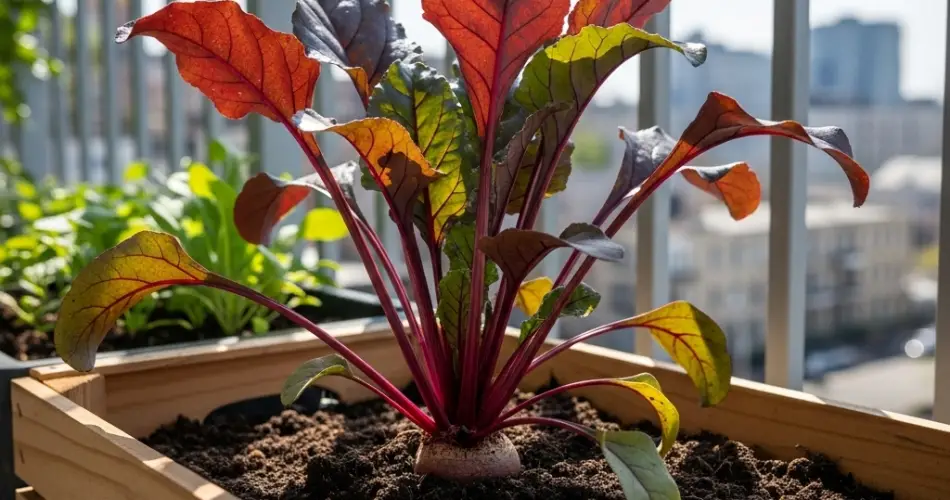
Beetroots are one of the most versatile root vegetables you can grow at home. Whether you enjoy them roasted, pickled, or raw in salads, beets are packed with flavor, nutrients, and vibrant color. And the best part? You don’t need a traditional garden bed to grow them. With a simple wooden crate and the right setup, you can cultivate juicy, tender beets right on your balcony, patio, or small backyard.
Using wooden crates for gardening is a smart way to maximize space and keep your garden neat and manageable. Beetroots adapt well to shallow containers, making them ideal for crate planting. Follow this practical guide to grow your own delicious beets from seed to harvest.
Why Use Wooden Crates for Beets?
Wooden crates make excellent garden containers for several reasons:
-
Good drainage: With a few drilled holes or slatted bottoms, water won’t pool around the roots.
-
Root-friendly: Beets develop better in loose, well-aerated soil, which is easy to manage in crates.
-
Space-saving: Great for urban gardeners with limited space.
-
Portable: You can move crates to adjust sunlight exposure.
-
Eco-friendly: Reusing old crates is a sustainable and cost-effective gardening solution.
Just make sure your crate is untreated or lined with landscape fabric to prevent any harmful chemicals from leaching into the soil.
Choosing the Right Beet Varieties
Beets come in a variety of shapes, sizes, and colors. While most types grow well in containers, some are particularly suited for compact gardening.
Top choices for crate growing include:
-
Detroit Dark Red – Classic round beets with deep color and reliable performance.
-
Chioggia – Italian heirloom variety with red and white candy-striped flesh.
-
Golden Beet – Mild flavor and vibrant orange-yellow flesh.
-
Baby Beets – Harvested young and ideal for small spaces.
Choose varieties based on your taste preference and the depth of your crate.
Materials You’ll Need
To get started, gather the following supplies:
-
A wooden crate (minimum 8–10 inches deep)
-
Landscape fabric or plastic liner with drainage holes (optional)
-
Quality potting soil
-
Organic compost or well-rotted manure
-
Beetroot seeds
-
Hand trowel
-
Watering can or hose with a gentle spray head
Make sure the crate is in good condition, without rot or sharp splinters. If needed, sand the wood before use.
Preparing the Crate
-
Line the crate with landscape fabric if it has large gaps or is made from treated wood. This helps contain the soil while allowing drainage.
-
Add drainage holes to the bottom if they’re not already present. A few ½-inch holes will do.
-
Fill the crate with a light, fluffy potting mix enriched with compost. Beets prefer loose, fertile soil for even root development.
A good soil mix includes:
-
2 parts potting soil
-
1 part compost or aged manure
-
Optional: a handful of sand or perlite to improve drainage
Sowing Beet Seeds
Beet seeds are actually seed clusters, so each one can produce multiple seedlings.
-
Sow seeds directly into the soil, spacing them about 1 inch apart in rows 4–6 inches apart.
-
Plant the seeds about ½ inch deep and cover lightly with soil.
-
Water gently to moisten the soil without washing seeds away.
Beets don’t transplant well, so direct sowing is preferred for strong, uniform roots.
Sunlight and Watering
-
Sunlight: Beets grow best in full sun—at least 6 hours per day. If your location is partially shaded, ensure it gets strong morning light.
-
Watering: Keep the soil evenly moist but not soggy. Deep watering once or twice a week is better than frequent shallow watering.
-
Mulching: Add a thin layer of organic mulch (like straw or dried leaves) to help retain moisture and keep weeds down.
Avoid overwatering, which can cause root rot, and underwatering, which leads to woody or split beets.
Thinning and Care
Once seedlings are 2–3 inches tall:
-
Thin them out, leaving one strong seedling every 3–4 inches. This gives each beet room to expand.
-
Use the thinned greens in salads—they’re tender and packed with nutrients.
-
Watch for pests like leaf miners or aphids. Use neem oil or insecticidal soap if necessary.
Regularly check moisture levels and feed with a diluted organic fertilizer every 3–4 weeks if growth slows.
Harvesting Beets
Beets are typically ready to harvest 50–70 days after planting, depending on the variety and desired size.
-
Check size by gently brushing away some soil around the root top. Most beets are best when they’re 1½ to 3 inches in diameter.
-
Harvest by hand, gripping the leaves and pulling gently upward. Use a hand fork if needed to loosen the soil.
-
For a continuous supply, sow new seeds every 2–3 weeks during the growing season.
Don’t forget to harvest the greens as well—they’re excellent sautéed or added to soups and smoothies.
Final Thoughts
Growing juicy, tender beets in wooden crates is a satisfying and accessible way to bring fresh produce into your home, even without a traditional garden. This method offers a compact, attractive, and eco-friendly solution for small-space gardeners. With proper soil, sunlight, and consistent care, your crate garden will reward you with delicious, colorful beets ready to enhance your meals and brighten your kitchen. Whether you’re a beginner or seasoned gardener, crate-grown beets are a worthy addition to any urban garden.


