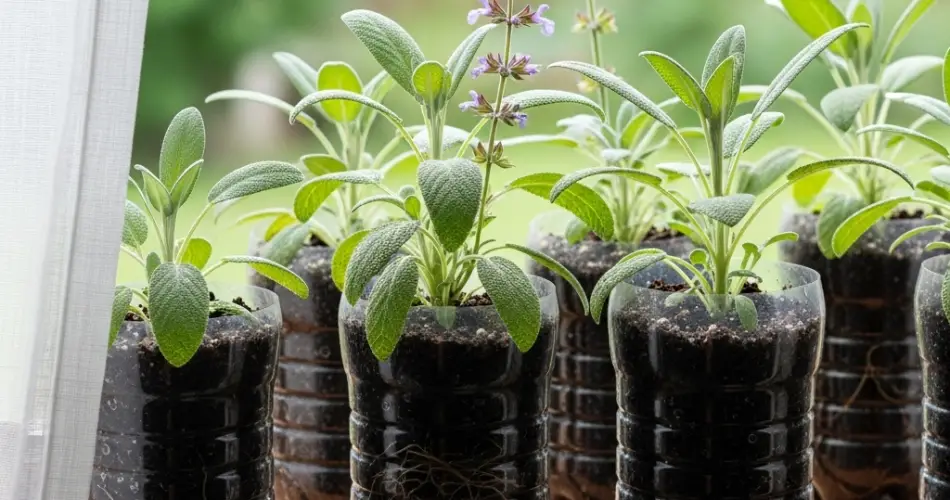
Sage, with its earthy aroma and silvery-green leaves, is a favorite among home cooks and herbal remedy enthusiasts alike. It’s a hardy, drought-tolerant herb that grows well indoors and doesn’t need much space. Even without a garden, you can cultivate fresh sage year-round using recycled containers and a sunny windowsill.
This guide will walk you through how to grow sage indoors using everyday items like plastic bottles, yogurt cups, or old food containers. Not only is this method sustainable, but it’s also budget-friendly and perfect for beginners.
Why Grow Sage at Home?
Sage is more than just a kitchen staple. Its leaves can be used in teas, tinctures, natural cleaning products, and aromatherapy. Growing it at home offers several benefits:
-
Freshness on demand: Harvest only what you need.
-
No harmful chemicals: You control the growing environment.
-
Space-saving: Requires minimal room and thrives in containers.
-
Recycled gardening: Gives a second life to plastic and other household waste.
Choosing the Right Container
You don’t need anything fancy to get started. Recycled containers work well as long as they meet these criteria:
-
At least 15 cm (6 inches) deep
-
Has drainage holes at the bottom
-
Easy to move and clean
Good container options include:
-
1-liter plastic soda bottles (cut in half)
-
Empty yogurt tubs
-
Takeout containers (with added drainage holes)
-
Food cans (with drainage and rust prevention)
Make sure to wash the container thoroughly with warm, soapy water before planting.
Soil and Drainage
Sage prefers well-draining soil with moderate fertility. A basic indoor mix can be made using:
-
2 parts potting soil
-
1 part coarse sand or perlite
-
1 part compost or coconut coir
Add small stones or broken pottery pieces to the bottom of your container before adding the soil to ensure good drainage.
Starting from Seed or Cuttings
You can grow sage indoors either from seed or from cuttings. Here’s how:
From Seed:
-
Fill the container with moist potting mix.
-
Sow seeds about 1 cm deep, 2–3 cm apart.
-
Lightly press and cover with soil.
-
Mist the top layer gently and cover with plastic wrap or a humidity dome until seedlings appear (usually 10–20 days).
-
Once sprouted, remove the cover and place the container in a sunny spot.
From Cuttings:
-
Take a 10 cm (4-inch) cutting from a mature sage plant.
-
Remove the lower leaves.
-
Place the cutting in water or directly into moist potting soil.
-
If rooting in water, transplant into soil once roots are 2–3 cm long.
Light and Temperature Needs
Sage is a sun-loving herb. For best results:
-
Place the container on a windowsill that gets at least 6 hours of direct sunlight per day.
-
If natural light is limited, use a small LED grow light to supplement.
-
Keep the indoor temperature between 18–24°C (65–75°F).
Rotate the container every few days to encourage even growth on all sides.
Watering and Maintenance
Sage is drought-tolerant, so avoid overwatering. Let the top inch of soil dry out before watering again. Key tips:
-
Water deeply, but infrequently.
-
Use containers with drainage to prevent root rot.
-
Mist leaves occasionally to increase humidity in dry environments.
Avoid soggy conditions, especially in plastic containers that may retain moisture longer.
Feeding and Pruning
Fertilize sage lightly every 4–6 weeks using a balanced liquid fertilizer diluted to half strength. Overfeeding can reduce the herb’s flavor intensity.
Once the plant is about 15 cm tall, begin pruning by pinching off the top few sets of leaves. This encourages bushier growth and delays flowering.
Harvesting Your Sage
You can begin harvesting once the plant has developed several healthy sets of leaves:
-
Use clean scissors to snip off the top leaves.
-
Always leave a few leaves at the base to allow the plant to continue growing.
-
For long-term preservation, dry sage by hanging bundles upside down in a dry, well-ventilated area.
Troubleshooting Common Issues
-
Leggy growth: Not enough sunlight; move to a brighter spot or use a grow light.
-
Yellowing leaves: Overwatering or poor drainage; allow soil to dry and check for root rot.
-
Pests like aphids or spider mites: Wipe leaves with soapy water or use neem oil spray.
Sustainability Tip
You can create a self-watering sage container by turning a plastic bottle into a two-part system with a wick—similar to how sub-irrigated planters work. This makes watering less frequent and improves root health.
Final Thoughts
Growing sage indoors using recycled containers is a smart, eco-conscious way to enjoy this versatile herb all year long. It requires little space, minimal maintenance, and no special tools—just a bit of creativity and care. Whether you’re a beginner or a seasoned home gardener, this simple project adds both flavor and greenery to your living space.


