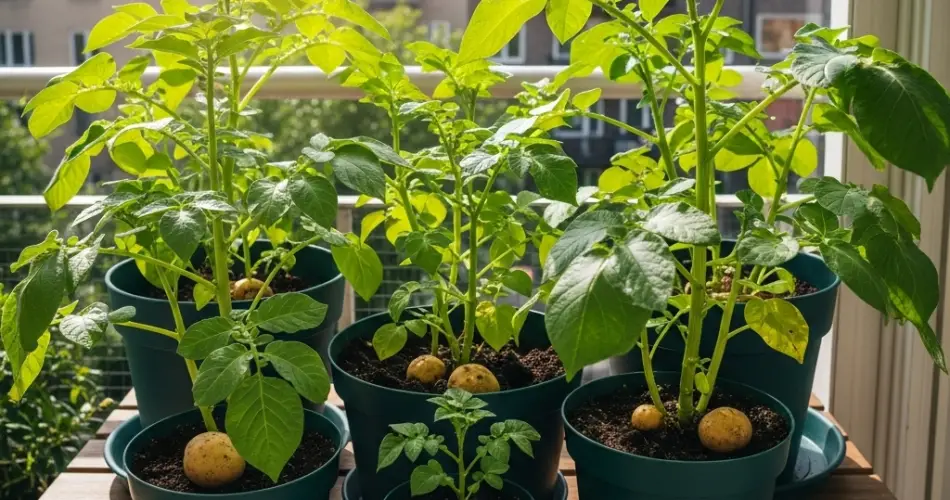
You don’t need a sprawling backyard or a garden bed to grow a bounty of potatoes. With the right container, a bit of soil, and some sunlight, you can grow several pounds of potatoes right on your balcony, patio, or porch. Container-grown potatoes are not only space-saving but also easier to manage and harvest—perfect for urban gardeners or anyone with limited outdoor space.
This step-by-step guide will show you how to grow a successful potato crop in a single pot, from planting to harvest.
Why Grow Potatoes in a Pot?
Potatoes are one of the best root crops for container gardening. With proper soil depth and hilling, they grow beautifully in pots, bags, or buckets. Container gardening also makes it easier to avoid pests and diseases common in in-ground growing.
Advantages of growing potatoes in containers:
-
Great for small spaces, patios, and balconies
-
Easier harvesting—just dump the pot and collect the potatoes
-
Less risk of pests like wireworms and blight
-
Cleaner growing conditions
-
You control the soil quality and drainage
What You’ll Need
Before planting, gather the following materials:
-
Container: 10–15 gallons in volume and 16–18 inches deep, with drainage holes
-
Seed potatoes: Certified, disease-free seed potatoes
-
Potting mix: Loose, well-draining mix (avoid heavy garden soil)
-
Compost or aged manure: Mixed into soil for nutrition
-
Watering can: To keep soil consistently moist
-
Sunny location: Potatoes need at least 6 hours of full sun daily
You can use a large plastic pot, grow bag, bucket, or even an old laundry basket—just ensure there’s good drainage at the bottom.
Choosing the Right Potatoes
Choose certified seed potatoes, which are specially grown to be disease-free and sprout well. Grocery store potatoes may be treated to prevent sprouting, so they’re not ideal for planting.
Early varieties are the best for container growing since they mature faster and don’t require as much space. Good options include:
-
Yukon Gold – Creamy texture and great yield
-
Red Norland – Early harvest and thin-skinned
-
Charlotte – Waxy potatoes perfect for boiling
-
Annabelle – Excellent for roasting and salads
Preparing the Pot and Soil
-
Fill the Container One-Third Full
Mix potting soil with compost or aged manure in a 2:1 ratio. Fill the pot about 6–8 inches deep. -
Plant the Seed Potatoes
-
Cut large seed potatoes into pieces with 1–2 eyes each. Let them sit for a day to callus over.
-
Place pieces with eyes facing up, about 6 inches apart.
-
For a 15-gallon container, plant 3–4 seed potato pieces.
-
-
Cover with Soil
Add 3–4 inches of soil on top of the seed pieces and water thoroughly.
Growing and “Hilling” Your Potatoes
As potato shoots grow, you’ll need to “hill” them—covering the lower stems with more soil or mulch. This encourages the plant to form more tubers along the buried stems.
-
Watch for Sprouts
When the stems reach 6–8 inches tall, add more soil to cover the lower half of the stems, leaving the top few inches exposed. -
Repeat Hilling
Hill again every time the plants grow another 6–8 inches, until the soil nearly reaches the top of the container. This process can be repeated 2–3 times during the growing cycle.
Watering and Sunlight
-
Watering: Keep the soil consistently moist but not waterlogged. Containers dry out faster than garden beds, so check daily.
-
Sunlight: Potatoes need 6–8 hours of sunlight per day. Choose a sunny location and rotate the pot occasionally for even growth.
-
Feeding: Add more compost or an organic slow-release fertilizer midway through the growing cycle to support tuber formation.
Common Problems to Watch For
-
Overwatering: Can lead to rot. Ensure good drainage and avoid soggy soil.
-
Lack of sunlight: Causes leggy growth and fewer tubers. Ensure full sun.
-
Pests: Container growing reduces pest risk, but keep an eye out for aphids and beetles. Spray neem oil if necessary.
Harvesting Your Potatoes
Depending on the variety, potatoes are usually ready to harvest in 70–100 days. You can harvest “new potatoes” when the plants flower, or wait until the foliage yellows and dies back for larger, mature tubers.
To harvest:
-
Stop watering for a week to help the soil dry out.
-
Gently dump the container and sift through the soil to find your potatoes.
-
Brush off excess dirt—do not wash until you’re ready to use them.
Let the potatoes cure in a dry, dark, well-ventilated place for 1–2 weeks if you plan to store them.
After the Harvest
Empty the container, remove old roots, and refresh the soil with new compost before planting again. You can replant another crop of potatoes or rotate to a leafy green like spinach or lettuce to keep your soil healthy.
Final Thoughts
Growing potatoes in a pot is a fun and practical way to enjoy homegrown food, even in the smallest of spaces. With proper soil, sunlight, and care, a single container can produce several pounds of fresh, flavorful potatoes—perfect for boiling, roasting, or mashing.
Whether you’re working with a balcony, terrace, or small backyard, potatoes are one of the easiest and most rewarding crops you can grow in a pot. Give it a try, and you’ll be harvesting your own spuds in no time.


