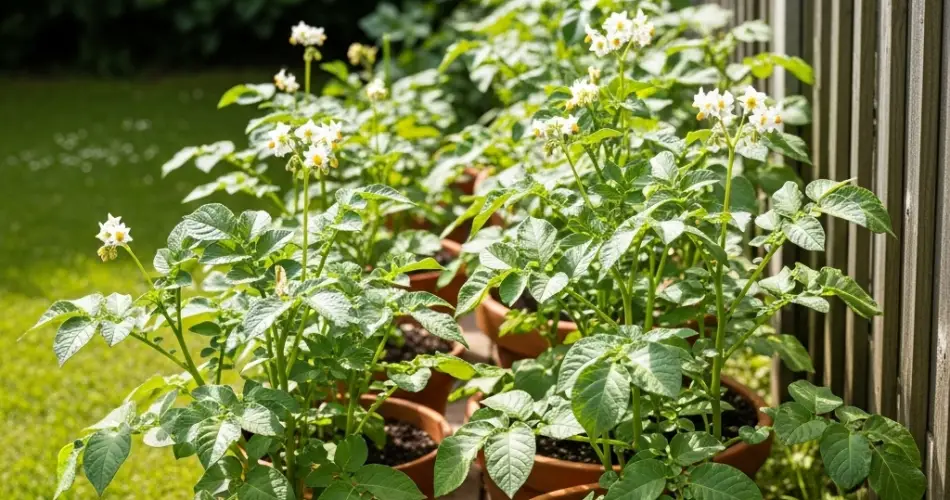
If you’re looking to maximize your backyard harvest without using much ground space, container potato towers are a fantastic solution. These vertical planters allow you to grow a generous supply of potatoes in a small footprint, making them perfect for gardeners with limited space or poor soil conditions.
Potato towers are simple to construct, easy to maintain, and deliver impressive yields when built and cared for correctly. Whether you’re growing standard white potatoes or colorful heirlooms, this method offers a fun and rewarding gardening experience.
Why Use a Potato Tower?
Potatoes naturally grow underground, and by “hilling” soil around the plant as it grows, you encourage more tubers to form along the buried stems. Container towers replicate this process vertically.
Benefits of potato towers:
-
Space-efficient: Grow a full potato crop using just a few square feet of ground.
-
High yield: Multiple layers provide room for more tubers per plant.
-
Easier to harvest: No digging—just lift the layers or remove soil as needed.
-
Soil control: Use clean, pest-free soil to reduce the risk of disease and rot.
-
Portable: Move towers to catch the sun or avoid harsh weather.
This method is especially ideal for urban gardeners and anyone with compact outdoor spaces.
What You’ll Need
To build a container potato tower, you’ll need:
-
Seed potatoes (preferably disease-free and certified)
-
Large container or materials to construct a tower (e.g., wire mesh, wooden slats, or plastic barrels)
-
Quality potting mix
-
Compost or aged manure
-
Straw or dried leaves (optional for layering)
-
A sunny location (6–8 hours of sun daily)
-
Water source
You can build a tower using items like:
-
5-gallon buckets stacked with holes
-
Wooden crates stacked in tiers
-
Wire cages lined with straw and filled with soil
-
Plastic garden planters with removable sides
Preparing Seed Potatoes
Start with healthy seed potatoes. If your seed potatoes are large, cut them into chunks with at least one or two “eyes” per piece. Let the cut surfaces dry for 1–2 days before planting to reduce rot risk.
Building and Planting Your Potato Tower
1. Prepare the Base
Place your container or bottom section of your tower in a sunny, well-drained location. Add 6 inches of loose, fertile soil mixed with compost.
2. Plant the First Layer
Lay 3–4 seed potatoes (cut side down, eyes facing up) evenly spaced on the soil. Cover them with 4–6 inches of soil.
3. Water Gently
Moisten the soil thoroughly, but do not soak it. Consistent moisture is important for sprouting and tuber formation.
4. Add Layers as Plants Grow
When the green shoots are about 6–8 inches tall, add more soil around them, leaving just the top few inches of leaves exposed. Continue this process every week or two as the plants grow.
You can repeat this layering process several times, depending on your tower’s height. Aim for at least 3–4 layers total.
Care and Maintenance
-
Sunlight: Ensure your tower gets 6–8 hours of full sunlight daily.
-
Watering: Keep the soil consistently moist but not soggy. Container-grown potatoes dry out faster than in-ground ones.
-
Feeding: Mix compost into the soil or apply a balanced organic fertilizer every 3–4 weeks.
-
Pest control: Watch for aphids, flea beetles, or potato beetles. Use neem oil or insecticidal soap if needed.
-
Air circulation: Don’t overpack your tower—leave enough room between plants and layers to prevent fungal diseases.
Harvesting Your Potatoes
Potatoes are usually ready to harvest 10–12 weeks after planting for “new” potatoes or 15–18 weeks for mature ones. Yellowing and dying foliage is a sign that the tubers are ready.
To harvest:
-
For open-sided towers, remove panels or slats to access potatoes from the bottom.
-
For other containers, gently empty the soil and collect the tubers.
-
Let harvested potatoes cure in a dry, shaded area for a few days to toughen the skin before storing.
Best Potato Varieties for Towers
While most potato types will grow well in towers, some are particularly well-suited for vertical gardening:
-
Yukon Gold – Versatile and productive.
-
Red Pontiac – Great for boiling or roasting.
-
Kennebec – Large, starchy tubers.
-
Fingerling varieties – Excellent for gourmet flavor and smaller towers.
Avoid varieties that are late-maturing if your growing season is short.
Final Tips
-
Don’t overcrowd the tower with too many seed potatoes; 3–4 per layer is usually enough.
-
Use light, loose soil to encourage tuber development.
-
Rotate your potato planting location each year to prevent disease buildup in the soil.
Conclusion
Container potato towers are an excellent way to grow a large crop in a small space. With just a bit of effort and creativity, you can produce buckets of fresh potatoes right in your own backyard or patio. Whether you’re aiming for hearty meals or simply want the satisfaction of harvesting your own spuds, potato towers offer a high-yielding, practical gardening solution.


