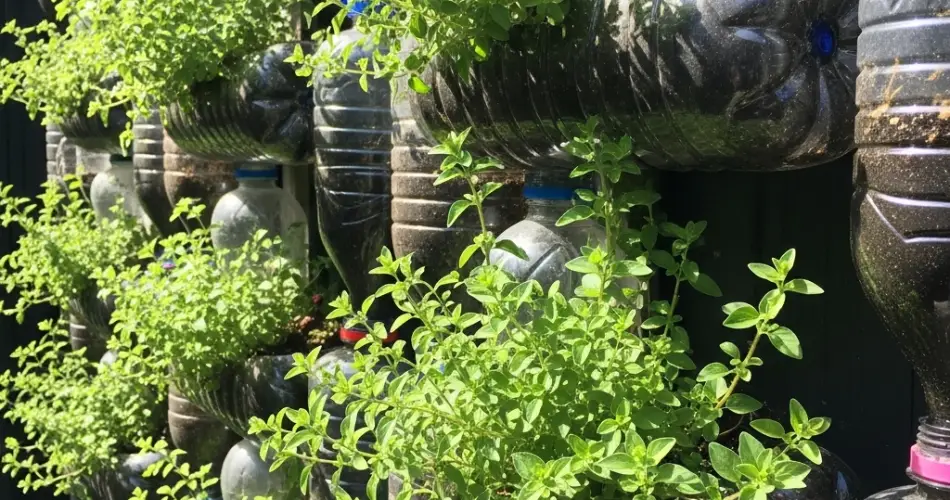
Oregano (Origanum vulgare) is a fragrant, low-maintenance herb commonly used in Mediterranean cuisine. Known for its bold flavor and culinary versatility, oregano thrives in sunny, dry conditions and is well-suited to container gardening. One creative and sustainable way to grow oregano—especially in tight spaces—is by using a vertical wall garden made from recycled plastic bottles.
Whether you’re working with a small balcony, patio wall, or kitchen corner, this method allows you to grow fresh oregano while repurposing plastic waste. Here’s a step-by-step guide to help you grow healthy oregano plants in plastic bottles mounted on your wall.
Why Grow Oregano Vertically in Bottles?
Wall gardening with plastic bottles offers an efficient and eco-conscious way to grow herbs. Oregano, with its shallow roots and drought tolerance, is particularly suited for this setup. Here’s why it’s a great choice:
-
Saves space: Ideal for urban gardening and small balconies.
-
Reduces waste: Reuses plastic bottles that would otherwise go to landfills.
-
Easy access: Keep fresh oregano within arm’s reach for cooking.
-
Pest control: Elevated planters reduce the risk of soil-borne pests.
-
Decorative and functional: Turns plain walls into lush, living green panels.
Oregano’s hardy nature means it doesn’t need much pampering, making it perfect for vertical gardens.
What You’ll Need
To set up your oregano wall garden, gather the following materials:
-
Clean, empty plastic bottles (1.5L to 2L size recommended)
-
Sharp scissors or a knife
-
Drill or heated nail (for making holes)
-
Potting mix suitable for herbs
-
Compost or organic fertilizer
-
Oregano seeds or small transplants
-
Twine, wire, or zip ties for mounting bottles
-
A sunny wall, fence, or wooden pallet for hanging
Ensure the bottles are cleaned and labels removed before starting.
Preparing the Bottles
-
Cut the planter opening: Lay the bottle horizontally and cut a rectangular window on one side (about 4–6 inches long and 2–3 inches wide). This is where the oregano will grow.
-
Add drainage holes: Use a drill or hot nail to poke 3–5 small holes in the bottom of the bottle for water drainage.
-
Make mounting holes: Punch two small holes near the top of the bottle (on either end) to attach string or wire for hanging.
-
Optional cap hole: Poke a small hole in the cap for slow drainage if you’re worried about overwatering.
Assembling the Wall Garden
Attach the prepared bottles horizontally to a vertical surface using twine, wire, or zip ties. You can hang them in rows on a pallet, attach directly to a wall, or mount them on a wire frame. Leave enough space between each bottle to allow sunlight and airflow.
Oregano loves full sun, so position your wall in a south- or west-facing location that receives at least 6 hours of direct sunlight each day.
Soil and Planting
Oregano prefers light, well-draining soil. A good mix includes:
-
2 parts potting mix
-
1 part coarse sand or perlite (for drainage)
-
1 part compost or aged organic matter
Fill the bottles with the soil mix, leaving about an inch of space at the top to prevent overflow when watering.
Planting options:
-
From seed: Sow 2–3 seeds in each bottle, cover lightly with soil, and water gently. Thin to one strong seedling once the plants are 2 inches tall.
-
From cuttings or transplants: Insert rooted cuttings or small plants into the center of the soil, pressing down gently and watering after planting.
Watering and Fertilizing
Oregano prefers slightly dry soil over soggy conditions. Overwatering is the most common mistake in bottle gardening. Follow these tips:
-
Water when the top inch of soil feels dry.
-
Use a watering can with a narrow spout or a squeeze bottle for precision.
-
Ensure bottles have good drainage and don’t retain excess moisture.
Fertilize lightly with an organic liquid fertilizer or compost tea every 4–6 weeks. Avoid overfeeding, as too much fertilizer can reduce the intensity of oregano’s flavor.
Pruning and Harvesting
Regular pruning encourages oregano to become bushier and more productive. You can begin harvesting once the plant is about 4–6 inches tall.
-
Snip leaves or stems just above a leaf pair.
-
Harvest early in the morning for the best flavor.
-
Trim flower buds to extend leaf production unless you want seeds.
Don’t cut more than one-third of the plant at once to avoid stressing it. Oregano’s flavor is strongest just before flowering.
Troubleshooting and Tips
Oregano is relatively pest-free and disease-resistant, but here are a few things to watch for:
-
Yellowing leaves: Usually a sign of overwatering or poor drainage.
-
Sparse growth: May indicate insufficient sunlight—move to a sunnier location.
-
Root-bound plants: If the bottle becomes too full of roots, transplant into a larger container or refresh the soil annually.
Replace old soil once a year and trim back woody stems in early spring to rejuvenate growth.
Final Thoughts
Growing oregano in plastic bottles on a wall is a smart, sustainable way to bring fresh flavor and greenery into small spaces. Not only does it give purpose to recycled materials, but it also makes tending herbs simple and accessible. With just a little sun, water, and care, your wall can become a productive, aromatic herb garden—perfect for spicing up your meals and refreshing your living space.


