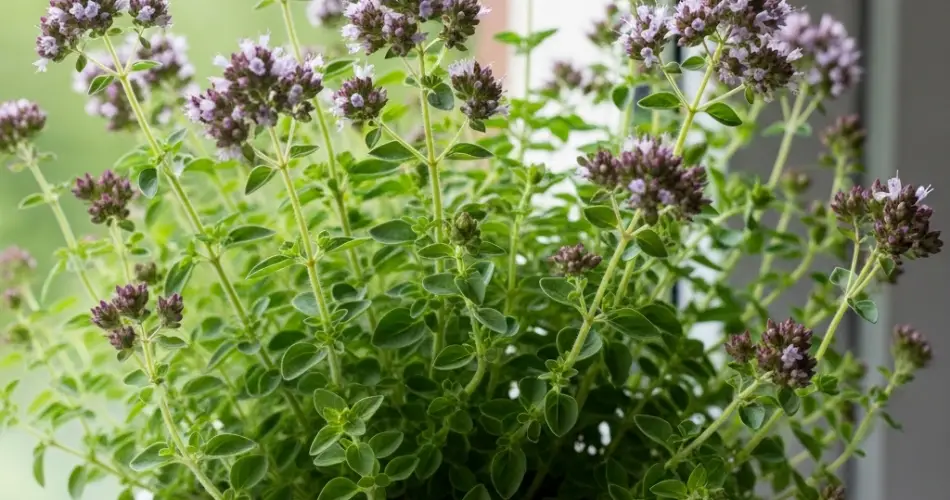
Growing fresh herbs at home is not only rewarding but also surprisingly easy, even if you don’t have access to a garden or much space. One of the best herbs to start with is oregano. Known for its strong aroma and culinary value, oregano thrives in containers and can be grown indoors with minimal supplies. With just a recycled plastic bottle, some soil, and a sunny spot, you can grow your own oregano plant indoors and enjoy its fresh flavor all year round.
This simple method of indoor gardening is perfect for beginners, apartment dwellers, and anyone looking to repurpose plastic waste in a practical, eco-friendly way.
Why Grow Oregano in a Plastic Bottle?
Plastic bottles make excellent DIY plant containers. They are readily available, lightweight, and easy to modify. Reusing them as plant pots helps reduce waste while creating a compact indoor garden solution.
Oregano is particularly well-suited for container growing. It’s a hardy, drought-tolerant herb that requires minimal maintenance and adapts well to indoor conditions when provided with enough light. By growing it in a plastic bottle, you save space, reduce plastic waste, and ensure a steady supply of fresh herbs right from your kitchen shelf or windowsill.
Materials You’ll Need
To grow oregano in a plastic bottle indoors, gather the following items:
-
One 1.5- or 2-liter plastic bottle
-
Sharp scissors or a cutter
-
Potting soil (preferably well-draining with some sand or perlite)
-
Oregano seeds or cuttings
-
A small handful of pebbles or charcoal (optional, for drainage)
-
A spoon or small trowel
-
Water spray bottle or watering can
-
A sunny windowsill or bright indoor spot
How to Prepare the Bottle
-
Clean the Bottle
Rinse the bottle thoroughly to remove any residues or labels. This helps keep the plant healthy and allows more light to reach the roots if using a transparent bottle.
-
Cut the Bottle
Cut the bottle horizontally about one-third from the top. The bottom part will be used as the planting container. You can save the top part and invert it to create a mini greenhouse effect during seed germination if desired.
-
Create Drainage Holes
Use a nail, heated needle, or knife to poke a few small holes at the bottom of the bottle. Good drainage is essential to prevent root rot.
-
Add Drainage Material
Place a thin layer of pebbles or crushed charcoal at the bottom to enhance drainage and prevent soil compaction.
-
Add Soil
Fill the container with well-draining potting mix. A mix containing sand, perlite, or compost is ideal for oregano, which prefers slightly dry, loose soil.
Planting the Oregano
Option 1: Starting from Seeds
-
Sprinkle oregano seeds on top of the soil and lightly press them down.
-
Cover with a very thin layer of soil or vermiculite.
-
Mist gently with water to moisten the surface.
-
Cover with the top part of the bottle (optional) to create a greenhouse effect and retain humidity.
-
Place in a warm, bright location.
-
Seeds usually germinate within 7–14 days.
Option 2: Starting from Cuttings
-
Take a 4–6 inch cutting from a healthy oregano plant.
-
Remove the lower leaves and place the stem in water until roots develop (usually within a week).
-
Once roots are visible, plant the cutting into the soil-filled bottle and water gently.
Indoor Care Tips for Oregano
-
Sunlight:
Place the bottle in a spot that gets at least 5–6 hours of sunlight per day. A south- or west-facing windowsill is ideal. If natural light is limited, consider using a grow light.
-
Watering:
Oregano prefers soil that is slightly dry between waterings. Water only when the top inch of soil feels dry to the touch. Use a spray bottle or small watering can to avoid overwatering.
-
Air Circulation:
Good airflow helps prevent fungal diseases. Avoid placing the bottle in enclosed spaces with stagnant air.
-
Pruning:
Once your plant reaches about 4–6 inches in height, start pinching the tips to encourage bushy growth. Regular pruning also prevents flowering and maintains flavor intensity.
-
Fertilizing:
Feed once a month with a mild organic fertilizer or compost tea. Too much fertilizer can reduce the flavor of oregano leaves.
Harvesting Your Oregano
Begin harvesting once your oregano plant has grown several inches tall and developed multiple sets of leaves. Use scissors or your fingers to snip leaves or stems just above a node (where leaves meet the stem). Harvest sparingly at first, and never remove more than a third of the plant at one time.
Frequent harvesting promotes new growth and helps maintain a compact, healthy plant. Leaves can be used fresh or dried and stored for later use.
Final Thoughts
Growing oregano indoors using just a plastic bottle is a simple, budget-friendly, and sustainable way to enjoy fresh herbs year-round. With minimal effort and space, you can transform everyday waste into a productive kitchen garden. This method is ideal for beginner gardeners and urban residents alike, offering both practical benefits and a touch of greenery to your home. Start with one bottle, and you may soon find yourself creating an entire indoor herb garden right on your windowsill.