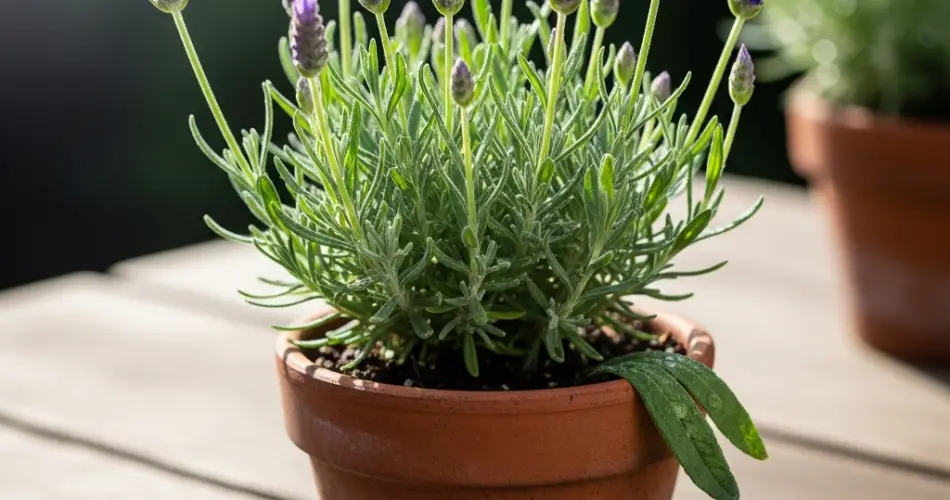
Lavender is one of the most popular herbs for home gardeners, not only because of its beauty and fragrance but also because of its versatility. Known for its purple blooms and calming scent, lavender can enhance both indoor and outdoor spaces. Even if you don’t have a garden, you can successfully grow lavender in pots on a patio, balcony, or terrace. With the right care, this aromatic plant thrives in containers and brings charm to any corner of your home.
Growing lavender in pots is practical, space-saving, and perfect for urban living. It allows you to move the plant as needed for optimal sunlight, protect it during colder months, and enjoy its fragrance up close. To achieve lush growth and long-lasting blooms, you’ll need to pay attention to the right pot, soil, light, and watering routine.
Choosing the Best Lavender Varieties for Pots
Not all lavender species adapt equally well to container growing. For patios, compact varieties are the best choice because they stay manageable while still producing a generous amount of flowers. Popular options include:
-
English lavender (Lavandula angustifolia) – Classic fragrance, hardy, and ideal for cooler climates.
-
French lavender (Lavandula dentata) – Beautiful serrated leaves and tolerance for warmer regions.
-
Spanish lavender (Lavandula stoechas) – Distinctive blooms with “rabbit ear” petals, adding unique flair.
-
Dwarf cultivars like ‘Munstead’ and ‘Hidcote’ – Perfect for small spaces and containers.
By choosing the right type, you’ll ensure that your lavender thrives in a patio setting without becoming too large or demanding.
Picking the Right Pot
The choice of container makes a significant difference in lavender’s health. The plant prefers room for its roots to spread, so a pot at least 12–14 inches wide and deep is recommended. Terracotta or clay pots are ideal because they allow air to circulate through the walls and prevent excess moisture buildup.
Proper drainage is essential. Lavender roots are sensitive to waterlogging, so always select a pot with drainage holes. If you prefer decorative containers without holes, place a smaller, well-draining pot inside them and remove it for watering.
Creating the Perfect Soil Mix
Lavender naturally thrives in dry, rocky soil, so a heavy, moisture-retentive potting mix won’t work well. Instead, aim for a light, fast-draining soil mix that mimics Mediterranean conditions. A good blend is:
-
2 parts regular potting soil
-
1 part coarse sand, perlite, or pumice
-
1 part small gravel or grit
This combination keeps roots from sitting in water and promotes the dry environment lavender prefers. Adding a handful of crushed eggshells or lime to the mix can slightly raise alkalinity, which lavender enjoys.
Sunlight Needs on the Patio
Lavender is a sun-loving plant that requires at least 6–8 hours of direct sunlight each day. On a patio, place pots where they can soak up the maximum amount of sun, such as against a south-facing wall or open railing. The more sunlight lavender receives, the more fragrant and abundant the blooms will be.
If your patio has limited light, rotate the pots regularly to ensure all sides of the plant receive sun exposure. In very hot climates, giving the plant some afternoon shade can prevent stress, but generally, lavender thrives best in full sun.
Watering and Feeding
Lavender does not appreciate constant moisture. The key is to water deeply but infrequently, allowing the soil to dry out between waterings. Check the top inch of soil; if it feels dry, it’s time to water. Avoid overhead watering, which can encourage fungal issues. Instead, water at the base of the plant.
Fertilizing should be kept minimal. Lavender grown in pots benefits from a light feeding of a balanced, slow-release fertilizer once in the spring. Too much fertilizer encourages leafy growth rather than flowers, so moderation is important.
Pruning and Maintenance
To keep patio lavender healthy and attractive, regular pruning is necessary. After the main flowering season, trim back the stems by about one-third, shaping the plant into a compact mound. This prevents the plant from becoming woody and encourages fresh growth for the next season.
Light pruning in spring also helps stimulate new shoots. Remove any dead or damaged branches to keep the plant tidy and vigorous.
Overwintering Lavender in Pots
Patio-grown lavender may need extra protection in colder climates. While many varieties are hardy, potted lavender is more vulnerable to frost because its roots are above ground. If you live in a region with freezing winters, move the pots to a sheltered location such as a greenhouse, covered porch, or indoors near a sunny window.
In milder areas, simply placing the pot against a wall and adding mulch to insulate the soil may be sufficient. During winter, water sparingly since the plant rests and requires less moisture.
Enjoying Lavender on the Patio
Beyond its visual appeal, patio lavender provides many benefits. Its fragrance creates a calming outdoor atmosphere, while its blooms attract pollinators such as bees and butterflies. You can also harvest lavender sprigs to dry for sachets, crafts, or use in the kitchen for teas and desserts.
Harvest when the flowers are just beginning to open for maximum fragrance. Cut the stems early in the day and bundle them for drying in a cool, airy space.
Final Thoughts
Lavender is one of the easiest and most rewarding plants to grow on a patio. By selecting the right variety, providing well-drained soil, ensuring ample sunlight, and watering wisely, you can enjoy a lush, fragrant lavender plant just steps from your door.
Whether you want to brighten your patio with color, enjoy its soothing aroma, or harvest its flowers for home use, lavender grown in pots is a versatile choice that combines beauty and practicality.


