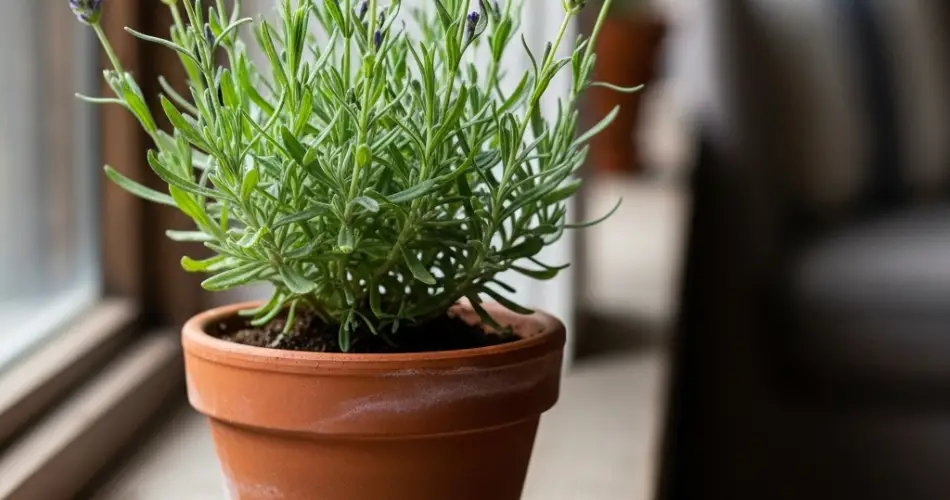
Lavender is one of the most popular plants to grow in containers, prized for its fragrant flowers, attractive foliage, and versatility in both the garden and home. When grown in pots, lavender adds beauty to patios, windowsills, and balconies, but many gardeners struggle to keep the plant blooming for an extended period. With the right care, it is possible to enjoy longer-lasting flowers and a healthier lavender plant.
This guide covers the essential steps to encourage prolonged blooming in potted lavender, from proper planting techniques to ongoing maintenance.
Choosing the Right Variety
Not all lavender varieties bloom the same way. Some types naturally produce longer blooming cycles. English lavender (Lavandula angustifolia) often blooms in early summer with a second flush later in the season if pruned properly. French and Spanish lavenders (Lavandula stoechas) bloom earlier and can flower multiple times throughout the summer if conditions are favorable.
When buying lavender for pots, choose a variety known for extended flowering and adaptability to container growth. Compact cultivars are especially suited for pots, as they remain manageable in size while still offering plenty of blooms.
Using the Best Soil and Pot
Lavender thrives in well-draining soil, which is essential for both plant health and flower production. A standard potting mix can be amended with sand, gravel, or perlite to improve drainage. Poorly drained soil leads to root problems, which weaken the plant and shorten its blooming period.
Equally important is the container. Choose a pot with multiple drainage holes and preferably made from terracotta, which allows excess moisture to evaporate. A pot that is too small will restrict root development, while an oversized one can retain too much moisture. Ideally, select a container that matches the size of the plant, with just enough extra room for root growth.
Light: The Key to Continuous Flowers
Lavender is a sun-loving plant, and insufficient light is one of the main reasons potted lavender produces fewer blooms. To encourage longer flowering, place the pot in a location that receives at least 6 to 8 hours of direct sunlight daily.
If you are growing lavender indoors, a south-facing window is the best choice. Where natural light is limited, supplement with a grow light to ensure the plant receives enough energy to sustain flowers over time.
Watering Correctly for More Blooms
Watering plays a vital role in keeping lavender blooming. These plants prefer a dry, Mediterranean-like environment. Overwatering not only damages the roots but also reduces the plant’s ability to produce flowers.
Allow the soil to dry out between waterings, then soak thoroughly, making sure excess water drains away. During the blooming season, potted lavender may require watering once or twice a week depending on the heat and container size. Avoid letting the pot sit in water, as this promotes root rot.
Feeding for Prolonged Flowering
While lavender does not need heavy fertilization, providing the right nutrients can extend its blooming period. Use a balanced, slow-release fertilizer in early spring to support growth, followed by a bloom-boosting fertilizer with slightly higher potassium content during the flowering season.
Too much nitrogen should be avoided, as it encourages leafy growth at the expense of flowers. Instead, a light feeding once a month during summer is enough to keep blooms coming.
Pruning and Deadheading
One of the best ways to extend lavender’s flowering season is through regular deadheading. As soon as flower spikes fade, cut them back to just above the foliage. This encourages the plant to redirect energy into producing new flower spikes instead of forming seeds.
Additionally, light pruning during the growing season helps maintain the plant’s shape and stimulates fresh growth. In early spring, before new growth starts, more substantial pruning can be done to keep the plant compact and bushy.
Temperature and Airflow
Lavender prefers warm days and cooler nights, similar to its native Mediterranean climate. Placing the plant in a well-ventilated area improves air circulation, which prevents fungal problems that can shorten bloom time.
If grown indoors, avoid placing the pot near heating vents or in overly humid rooms. Outdoors, make sure the plant is positioned in a breezy, sunny spot for best flowering results.
Extending Bloom with Proper Care
Consistent care throughout the season helps lavender stay in bloom longer. A routine that includes adequate sunlight, moderate watering, proper feeding, and timely pruning will keep the plant vigorous and productive. Healthy plants naturally produce more flowers and recover quickly for successive blooming cycles.
Conclusion
Keeping potted lavender blooming longer is not difficult once you understand its needs. Choose the right variety, provide well-drained soil, ensure plenty of sunlight, and adopt proper watering and pruning habits. By giving lavender the environment it thrives in, you can enjoy wave after wave of fragrant blooms that brighten your home or garden all season long. With just a little attention, your potted lavender will reward you with beauty, fragrance, and charm for months at a time.


