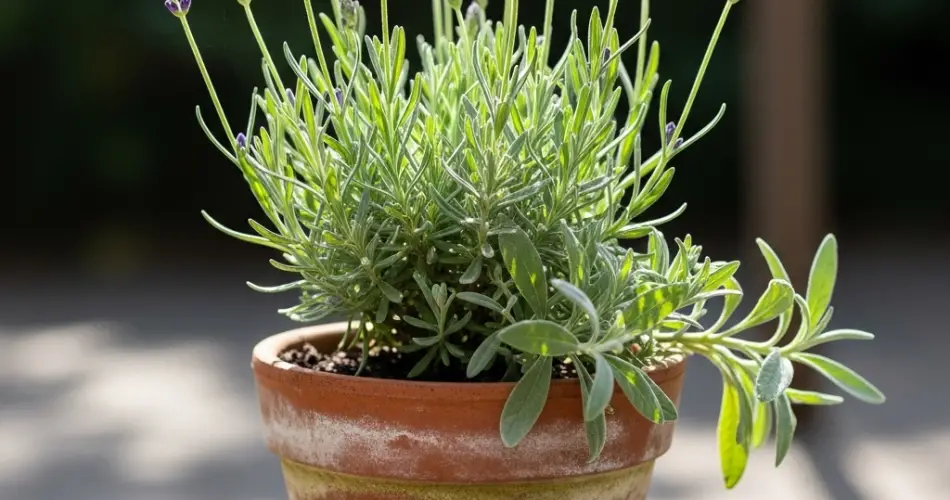
Lavender is cherished for its fragrant flowers, silvery foliage, and ability to brighten up any balcony, patio, or windowsill garden. While it thrives outdoors in sunny climates, many gardeners in colder regions face a challenge when winter arrives. Since lavender is sensitive to frost and prolonged cold, container-grown plants need extra care to survive the season. Fortunately, with a little planning and attention, you can successfully overwinter lavender indoors and ensure it continues to thrive for many seasons to come.
Why Overwinter Lavender Indoors?
Lavender originates from Mediterranean regions where winters are mild and sunny. In colder climates, frost, snow, and damp conditions can damage or even kill the plant. Growing lavender in pots gives you the flexibility to bring it inside once temperatures begin to dip. Overwintering indoors not only protects the plant from freezing but also keeps its root system healthy until it can return outdoors in spring.
Choosing the Right Pot Before Winter
If your lavender is already growing in a container, check whether the pot is suitable for indoor overwintering. Lavender dislikes soggy soil, so drainage is key. Pots should have multiple drainage holes to allow excess water to escape. Terracotta pots are often preferred because they breathe and help prevent overly wet soil.
Before bringing the plant inside, consider whether it needs repotting. If roots are circling the base or the soil looks compacted, gently replant it in a slightly larger pot with fresh, well-draining soil. A mix of potting soil with sand, perlite, or small gravel works best for lavender.
Preparing Lavender for Indoor Transition
Lavender needs some preparation before moving indoors. Start by trimming away any damaged or excessively woody stems. Avoid heavy pruning in late fall, but light shaping keeps the plant manageable and reduces stress during the transition.
Check for pests such as aphids, whiteflies, or spider mites. Rinse the plant under running water or wipe down the leaves to ensure you don’t bring unwanted insects inside. It’s also helpful to remove any fallen leaves or debris from the soil surface to prevent mold or fungal growth in the drier indoor environment.
Providing the Right Indoor Conditions
Once indoors, the key to keeping lavender healthy through winter is replicating its natural environment as closely as possible. Lavender thrives in cool, bright, and airy spaces.
-
Light: Place the pot in the sunniest location you have, such as a south-facing window. Lavender needs at least 6 hours of direct sunlight daily. If natural light is limited, consider supplementing with a grow light to keep the plant strong.
-
Temperature: Lavender prefers cooler conditions during winter rest. Keep it in a room where daytime temperatures range between 60–65°F (15–18°C) and nighttime temperatures around 50–55°F (10–13°C). Avoid placing it near heaters or radiators that can dry the plant out.
-
Air Circulation: Good airflow prevents fungal issues. Position the pot in an area with gentle ventilation, but avoid cold drafts from frequently opened doors or windows.
Watering Lavender Indoors
One of the most common mistakes when overwintering lavender is overwatering. Unlike many herbs, lavender prefers drier soil conditions, especially during winter dormancy. Allow the top two inches of soil to dry out completely before watering again. When you do water, give the plant a thorough soak, letting excess water drain freely from the pot.
Avoid leaving the pot in a saucer filled with water, as soggy roots can lead to root rot. During winter, watering may be needed only every two to three weeks, depending on the dryness of the indoor environment.
Fertilizing During Winter
Lavender doesn’t need much feeding during its dormant period. Hold off on fertilizer while it rests indoors. Too much nutrition encourages weak, leggy growth. Resume feeding with a balanced, diluted fertilizer only once new growth appears in early spring.
Monitoring and Light Pruning
While indoors, lavender will not grow as vigorously as it does outdoors in summer. Still, you may notice occasional new shoots or flower buds if light conditions are favorable. Remove any faded blooms and lightly pinch back unruly stems to keep the plant tidy. Avoid heavy pruning until spring, when the plant is actively growing again.
Transitioning Lavender Back Outdoors
As spring approaches and the danger of frost passes, you can begin acclimating lavender to outdoor life again. This process, known as hardening off, helps the plant adjust gradually to sunlight and outdoor temperatures.
Start by placing the pot outdoors for a few hours each day in a sheltered location, then gradually increase exposure to direct sunlight and longer periods outdoors over the course of one to two weeks. Once nighttime temperatures remain consistently above 50°F (10°C), your lavender can stay outside permanently for the growing season.
Conclusion
Overwintering lavender in containers indoors may require some extra steps, but the reward is worth the effort. By providing proper light, careful watering, and a cool resting environment, your lavender will not only survive winter but also return healthier and more productive in spring. With this seasonal care, your potted lavender can continue to provide beauty, fragrance, and culinary value year after year.


