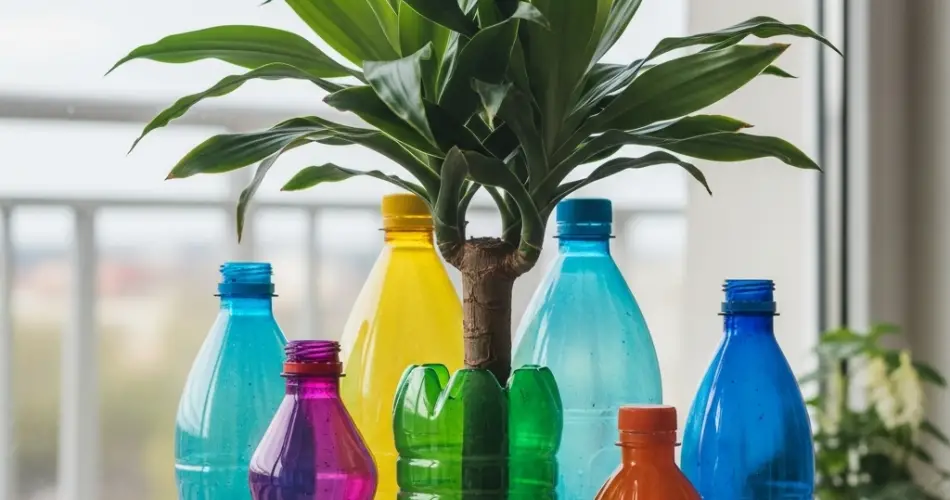
Dracaena is a popular indoor plant known for its elegant, sword-like leaves and low-maintenance care. It comes in various species and cultivars, such as Dracaena marginata (dragon tree), Dracaena fragrans (corn plant), and Dracaena reflexa (song of India), each bringing a unique charm to indoor spaces. One of the best things about Dracaena is its adaptability to different growing conditions, including narrow containers that suit compact apartments, office desks, and small corners.
If you’re looking for a stylish, space-saving greenery option, growing Dracaena in a slim container is a practical and attractive choice. This guide will walk you through the benefits, setup, and care involved in growing Dracaena in narrow containers without sacrificing plant health or aesthetics.
Why Narrow Containers Work for Dracaena
Dracaena plants have relatively shallow root systems compared to other indoor plants. This means they can thrive in tall, narrow containers as long as drainage and light conditions are ideal. Growing Dracaena in vertical planters or slim pots helps save floor space while still allowing the plant to grow upward with grace.
Some benefits of using narrow containers include:
-
Space efficiency: Perfect for tight indoor areas like windowsills, bookshelves, hallways, and small corners.
-
Visual appeal: Tall, sleek pots add a modern touch and emphasize the vertical growth of the plant.
-
Controlled growth: A smaller soil volume helps slow growth, keeping the plant compact and manageable.
Choosing the Right Container
Select a narrow pot that suits the height and size of your Dracaena. Look for:
-
Height: A tall container helps balance the plant’s top-heavy structure.
-
Diameter: Aim for a container that is just 1–2 inches wider than the root ball to avoid overwatering issues.
-
Material: Ceramic, plastic, or lightweight fiberglass all work well. Terra cotta is breathable but dries out faster.
-
Drainage: Ensure your container has a drainage hole to prevent water from accumulating at the bottom.
You can also place a slim saucer or tray underneath to catch excess water without damaging floors or furniture.
Best Soil for Dracaena
Dracaenas prefer well-draining, aerated soil. A standard indoor potting mix enriched with perlite, pumice, or coarse sand will do the trick. Avoid heavy soils that retain water, as this can lead to root rot—especially in narrow containers, where airflow is more limited.
For a custom mix, combine:
-
2 parts general-purpose potting soil
-
1 part perlite or pumice
-
1 part coconut coir or fine bark for improved drainage
Planting Steps
-
Prepare the Container: Place a layer of gravel or small stones at the bottom for better drainage, especially in very tall pots.
-
Add Soil: Fill the pot about halfway with your prepared soil mix.
-
Insert the Plant: Gently remove the Dracaena from its nursery pot and place it in the center of the new container.
-
Fill and Firm: Add soil around the root ball, pressing lightly to hold the plant in place. Leave about an inch of space at the top to avoid spills when watering.
-
Water Thoroughly: Water until you see drainage from the bottom. Allow excess water to drain away completely.
Light Requirements
Dracaenas thrive in bright, indirect light. While they can tolerate low light, growth may slow, and leaf coloration can fade. If you’re placing the container in a compact area, make sure it receives enough ambient light or use supplemental LED grow lights for support.
Avoid placing the plant in direct sunlight, as this can scorch the leaves—especially in smaller containers, where the soil may dry out more quickly.
Watering and Maintenance
One of the reasons Dracaena is ideal for narrow pots is its tolerance for dry conditions. Let the top 1–2 inches of soil dry out between waterings. In general:
-
Water every 10–14 days, depending on humidity and light.
-
Reduce watering during colder months.
-
Use room-temperature, fluoride-free water if possible, as Dracaena is sensitive to fluoride and salts.
Wipe the leaves occasionally to remove dust and promote photosynthesis. Prune yellowing or damaged leaves to keep the plant looking tidy.
Fertilizing Tips
Feed your Dracaena with a diluted liquid houseplant fertilizer every 4–6 weeks during the growing season (spring to early autumn). Skip fertilization in winter when the plant is dormant.
In narrow containers, nutrients can deplete faster, so occasional feeding helps maintain leaf health and vibrancy. Avoid overfertilizing, which can lead to salt buildup in the soil.
Repotting and Root Care
Dracaenas are slow growers and won’t need repotting often. Every 2–3 years, check for root crowding or poor drainage. If the plant becomes too tall or the roots are poking through the drainage holes, it’s time to repot.
You can prune back leggy growth or propagate cuttings to maintain size in small living spaces.
Conclusion
Growing Dracaena in narrow containers is an excellent way to enjoy the beauty of indoor plants without compromising space. With the right container, soil, and care routine, your Dracaena can become a thriving feature in your apartment, office, or cozy nook. Whether you’re a seasoned plant parent or a beginner, this elegant and adaptable plant will reward you with lasting greenery and style.


