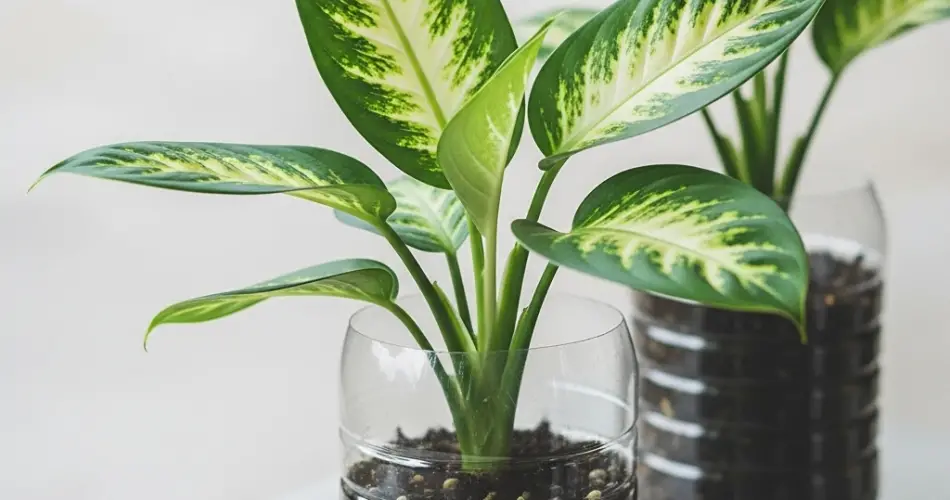
Dieffenbachia, also known as dumb cane, is a popular houseplant appreciated for its large, patterned leaves and its ability to thrive in indoor environments with limited sunlight. Its bold foliage instantly brightens a space, making it an ideal choice for adding greenery to low-light rooms such as offices, bedrooms, or shaded corners of your home. With the right container, soil, and care, Dieffenbachia can flourish indoors for years.
Here’s a comprehensive guide to growing Dieffenbachia in containers, especially suited for rooms with minimal natural light.
Choosing the Right Container
Dieffenbachia doesn’t need an oversized pot to thrive. In fact, giving it just enough space for root development is key to healthy growth.
Container tips:
-
Drainage is critical: Always select a pot with drainage holes to prevent excess moisture from accumulating, which can cause root rot.
-
Material: Plastic, ceramic, or terracotta pots all work well. If using terracotta, be mindful that it dries out faster.
-
Size: Use a container that is about 1–2 inches larger in diameter than the plant’s root ball. As the plant grows, repot it every 1–2 years into a slightly larger pot.
Self-watering pots can also be helpful, especially in dry climates, but monitor the moisture levels to avoid overwatering.
The Best Soil for Dieffenbachia
Dieffenbachia prefers a light, well-draining potting mix that retains some moisture without becoming soggy.
Ideal soil mix:
-
2 parts peat moss or coco coir
-
1 part perlite or coarse sand
-
1 part compost or worm castings
You can also use a high-quality all-purpose indoor potting mix and amend it with extra perlite or bark for better aeration. Avoid using heavy garden soil or mixes that compact easily.
Lighting Requirements
One of Dieffenbachia’s greatest strengths is its ability to tolerate low-light conditions. While it performs best in bright, indirect light, it can still grow in spaces that receive limited natural light.
Light tips:
-
Place the plant near a north- or east-facing window.
-
If the only available space is dim, consider supplementing with a fluorescent or LED grow light.
-
Avoid direct sunlight, as it can scorch the leaves.
Too little light may slow growth and cause leaf drop, while filtered light helps retain the vibrant leaf patterns.
Watering Properly
Dieffenbachia enjoys consistently moist soil but is very sensitive to overwatering. Getting the watering routine right is crucial for healthy growth.
Watering tips:
-
Water when the top inch of soil feels dry.
-
Water thoroughly until excess drains from the bottom, then discard any water that collects in the saucer.
-
Reduce watering during the winter months when growth slows.
If leaves start turning yellow and feel mushy, it’s a sign of overwatering. On the other hand, dry, curled leaf edges usually indicate underwatering or low humidity.
Temperature and Humidity
Dieffenbachia is a tropical plant that prefers warm temperatures and moderate to high humidity. Sudden drafts or exposure to cold can damage the leaves.
Ideal conditions:
-
Temperature: 65–80°F (18–27°C)
-
Humidity: 50–60% or higher
Increase humidity by misting the leaves, placing the pot on a pebble tray with water (without letting the roots sit in water), or using a room humidifier.
Avoid placing the plant near air conditioning vents, radiators, or open windows during winter.
Fertilizing for Growth
Feeding Dieffenbachia encourages lush foliage and healthy development, especially during the growing season.
Fertilizer guidelines:
-
Use a balanced, water-soluble fertilizer (e.g., 20-20-20) diluted to half strength.
-
Feed once a month from spring to early fall.
-
Hold off on feeding during the winter months.
Too much fertilizer can lead to leaf burn and salt buildup in the soil, so always follow instructions and flush the soil with water occasionally to clear residues.
Pruning and Maintenance
Regular pruning helps maintain the plant’s shape and encourages fuller growth. As Dieffenbachia grows, lower leaves naturally yellow and drop off.
Pruning tips:
-
Trim off yellow or damaged leaves at the base with clean scissors.
-
If the plant becomes too tall or leggy, cut the stem back to encourage bushier growth.
-
You can propagate cuttings from healthy stems by rooting them in water or moist potting mix.
Keep the plant clean by wiping dust from the leaves with a damp cloth, which helps with light absorption and pest prevention.
Common Issues and Solutions
Yellowing leaves: Often caused by overwatering or poor drainage. Check soil moisture and adjust watering habits.
Brown leaf tips: Typically due to low humidity or inconsistent watering. Mist regularly and maintain steady conditions.
Droopy plant: May indicate underwatering or cold exposure. Check soil moisture and move away from drafts.
Pests: Watch for spider mites, mealybugs, or aphids. Use insecticidal soap or neem oil to treat infestations.
A Word of Caution
Dieffenbachia contains calcium oxalate crystals, which can irritate the mouth and throat if ingested. Keep the plant out of reach of pets and small children.
Final Thoughts
Dieffenbachia is an excellent choice for low-light rooms, offering dramatic foliage and minimal upkeep. With a well-draining pot, regular watering, and a cozy indoor environment, this plant can thrive in corners where others may struggle. Whether you’re new to houseplants or expanding your indoor jungle, container-grown Dieffenbachia brings tropical charm to shaded spaces year-round.


