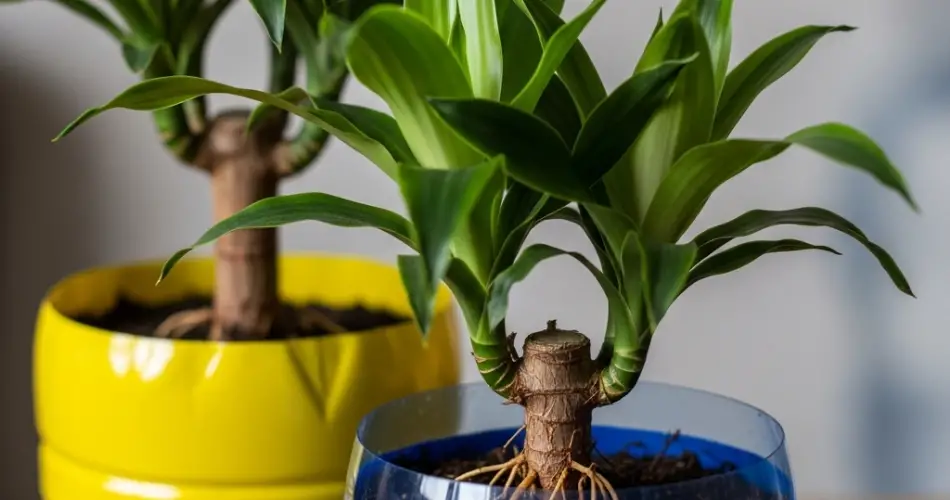
Dracaena is a striking and adaptable houseplant known for its bold, sword-like green leaves and upright growth. Its architectural appearance and relatively low-maintenance nature make it a perfect fit for modern interiors, from living rooms and offices to bedrooms and hallways. When grown in attractive containers, Dracaena becomes more than just a plant—it’s a statement piece that elevates the style and air quality of any room.
Here’s a detailed guide on how to grow and care for Dracaena in stylish containers for an effortlessly chic indoor setup.
Why Choose Dracaena?
Dracaena varieties, such as Dracaena marginata, Dracaena fragrans, and Dracaena reflexa, are all popular houseplants due to their tolerance for a range of conditions. They offer a bold splash of green and are excellent for improving indoor air quality by filtering out toxins. In addition, Dracaenas are ideal for people looking for a low-maintenance plant that still offers a vibrant presence.
Selecting the Right Container
A well-chosen container enhances the beauty of the Dracaena and supports its health by providing proper drainage and room for growth.
What to look for:
-
Size: Start with a pot that is 1–2 inches larger than the plant’s root ball. Avoid oversized pots that may hold excess moisture.
-
Material: Choose containers made from ceramic, clay, or modern matte-finished plastic for style and function. Lightweight plastic is best for larger plants, while ceramic or stone pots are great for visual appeal.
-
Drainage: Ensure the container has one or more drainage holes to prevent waterlogging, which can lead to root rot.
You can also use decorative cache pots to cover plain nursery pots—just make sure to remove the inner pot for watering and let it drain completely before placing it back.
The Ideal Soil Mix
Dracaenas prefer a loose, well-draining potting mix that holds some moisture but does not stay soggy.
Suggested soil mix:
-
2 parts all-purpose potting soil
-
1 part perlite or pumice
-
Optional: a handful of orchid bark or sand to improve drainage
Avoid heavy garden soils or those that retain too much water. Dracaena roots are sensitive and thrive best in lightly aerated soil conditions.
Lighting Needs
While Dracaena is adaptable, it thrives best in bright, indirect light. Its tolerance for lower light levels makes it perfect for rooms that don’t get direct sun.
Lighting tips:
-
Place the container near a window with filtered light, such as one facing north or east.
-
Avoid harsh, direct sunlight, which can cause leaf burn and fading.
-
If grown in low light, the plant may grow more slowly, and variegated types may lose some of their color.
If necessary, supplement natural light with a grow light to maintain healthy foliage.
Watering Tips
One of the most common issues with Dracaena care is overwatering. These plants are drought-tolerant and prefer to dry out a bit between waterings.
How to water:
-
Allow the top 1–2 inches of soil to dry before watering.
-
Water thoroughly, letting excess drain out of the bottom.
-
Reduce watering in cooler months or in low-light rooms.
Use filtered or distilled water if possible, as Dracaena is sensitive to fluoride and chlorine, which can cause leaf tips to turn brown.
Temperature and Humidity
Dracaena grows well in average indoor temperatures and doesn’t require tropical humidity levels to stay healthy.
Best conditions:
-
Temperature range: 65–80°F (18–27°C)
-
Avoid cold drafts and temperatures below 50°F (10°C)
-
Moderate humidity is fine, but occasional misting can help during dry winters or in air-conditioned spaces.
Feeding and Fertilizing
Feed your Dracaena lightly during its active growing season, which is spring through early autumn.
Fertilizer tips:
-
Use a balanced liquid houseplant fertilizer diluted to half strength.
-
Fertilize once a month in spring and summer.
-
Skip feeding during fall and winter to avoid over-fertilization.
Always water before fertilizing to prevent burning the roots.
Pruning and Maintenance
Dracaena is generally a tidy plant, but light pruning encourages fuller growth and maintains its shape.
Maintenance steps:
-
Remove yellow or damaged leaves at the base.
-
Wipe leaves regularly with a damp cloth to remove dust and improve appearance.
-
Trim leggy stems to encourage new growth and bushier form.
Older Dracaena stems can be cut back, and new shoots often emerge just below the cut. These trimmings can be rooted in water or moist soil for propagation.
Common Problems and Solutions
-
Brown leaf tips: Caused by fluoride in water, low humidity, or inconsistent watering.
-
Yellowing leaves: Usually a sign of overwatering or poor drainage.
-
Leaf drop: Can happen due to sudden changes in environment or cold drafts.
Treat pests like spider mites or mealybugs with insecticidal soap or neem oil, and isolate affected plants when needed.
Final Thoughts
Growing Dracaena in stylish containers is an easy way to bring greenery and modern design into your home. This low-maintenance plant thrives in low to medium light and offers bold foliage that pairs well with minimalist pots, contemporary planters, or natural woven baskets. With the right soil, watering habits, and container choice, your Dracaena will not only survive but flourish—making any room look more vibrant and serene.


