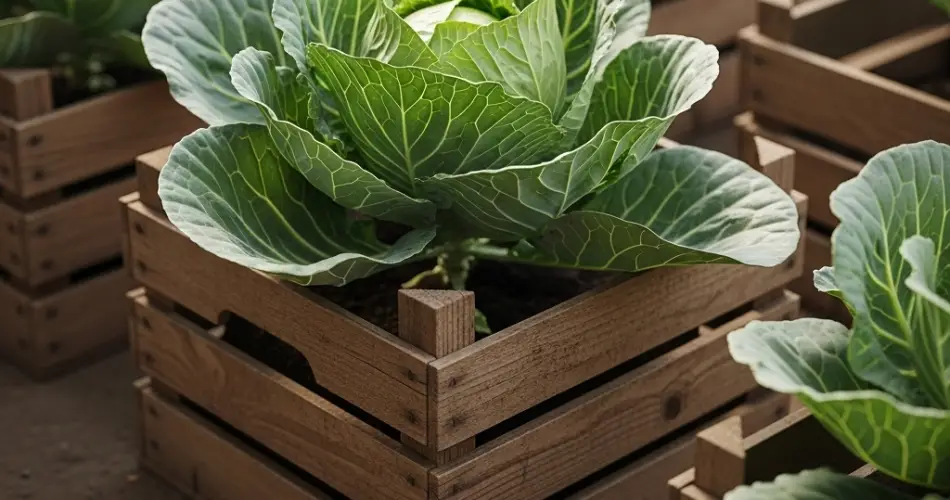
Cabbage is a nutritious, versatile vegetable that can thrive in home gardens, even when space is limited. Growing cabbage in crates is an excellent solution for backyard gardeners who want to maximize yield without needing a traditional garden plot. This method allows for better soil control, easy maintenance, and efficient use of available space, making it possible to grow large, healthy heads of cabbage in a compact area.
Crate gardening combines the benefits of raised beds with a contained growing environment, ensuring that your cabbage plants have the ideal conditions for root development, consistent moisture, and nutrient availability.
Why Grow Cabbage in Crates?
Using crates for cabbage cultivation offers several advantages:
-
Space Efficiency – Perfect for small yards, patios, and even balconies.
-
Soil Control – You can provide nutrient-rich, well-draining soil tailored to cabbage.
-
Mobility – Crates can be moved to follow sunlight or shelter plants during inclement weather.
-
Pest Management – Elevating plants helps reduce exposure to slugs, snails, and soil-borne pests.
-
Ease of Maintenance – Crates keep plants organized and make watering, feeding, and harvesting simpler.
Selecting the Right Crates
To grow cabbage successfully, choose crates that are:
-
Deep – At least 12–16 inches to allow for root expansion.
-
Spacious – Wide enough to accommodate one or more cabbage plants without crowding.
-
Sturdy and Untreated – Untreated wood avoids chemical contamination and ensures durability.
-
Well-Draining – Ensure holes or gaps at the bottom to prevent waterlogging, which can harm roots.
Lining the inside with landscape fabric or burlap can help retain soil while still allowing water to drain effectively.
Choosing Cabbage Varieties
Select cabbage varieties based on space, climate, and intended use:
Compact Varieties (Good for Crates):
-
Golden Acre
-
Early Jersey Wakefield
-
Copenhagen Market
Larger Varieties (Require Bigger Crates):
-
Savoy
-
Green Globe
-
Red Drumhead
For small crates or tighter spaces, compact early varieties are ideal. Larger varieties can thrive if the crate is sufficiently deep and wide.
Materials Needed
-
Wooden crate (12–16 inches deep)
-
Quality potting mix enriched with compost or well-rotted manure
-
Cabbage seedlings or seeds
-
Fertilizer or compost tea
-
Mulch (straw, shredded leaves, or grass clippings)
-
Sunny location with at least 6–8 hours of direct sunlight
Planting Cabbage in Crates
-
Prepare the Soil
Fill the crate with well-draining, fertile soil mixed with compost. Cabbage prefers slightly acidic to neutral soil (pH 6.0–7.0). -
Transplanting Seedlings
Space cabbage seedlings 12–18 inches apart depending on variety size. Plant them slightly deeper than their nursery pots to encourage strong root development. -
Direct Sowing
If sowing seeds, plant them about ¼ inch deep and thin seedlings once they grow to prevent overcrowding.
Caring for Crate-Grown Cabbage
-
Watering – Keep the soil evenly moist; consistent watering prevents bitter-tasting heads. Avoid waterlogging, which can cause root rot.
-
Fertilizing – Feed cabbage with a balanced fertilizer or compost tea every 2–3 weeks to encourage large, healthy heads.
-
Mulching – Apply a 2–3 inch layer of mulch to retain moisture, regulate soil temperature, and suppress weeds.
Regular monitoring for growth progress and pest activity ensures that your cabbage thrives.
Managing Pests and Diseases
Cabbage can attract pests even in crates, but careful attention helps prevent damage:
-
Cabbage Worms and Loopers – Handpick or use organic insecticidal sprays.
-
Aphids – Spray with water or insecticidal soap to reduce infestations.
-
Fungal Diseases – Ensure good airflow, avoid wetting leaves, and rotate soil yearly to prevent disease buildup.
Harvesting Cabbage
Cabbage is ready to harvest when heads feel firm and solid. Use a sharp knife to cut the head at the base, leaving outer leaves and roots if you want potential regrowth or additional smaller heads. Regular harvesting encourages plants to focus energy on new growth if planting multiple rounds.
Extending the Growing Season
If temperatures drop early, move crates to a warmer location or protect plants with row covers. Cabbage is a cool-season crop that tolerates light frost, but protection can extend the harvest and improve head quality.
Final Thoughts
Growing cabbage in crates makes it possible to enjoy large, nutritious heads even in limited backyard spaces. With proper crate selection, nutrient-rich soil, and consistent care, you can maximize yields while keeping plants healthy and organized. Crate gardening also adds a rustic, functional charm to your outdoor area, making it an excellent choice for home gardeners seeking both productivity and convenience.