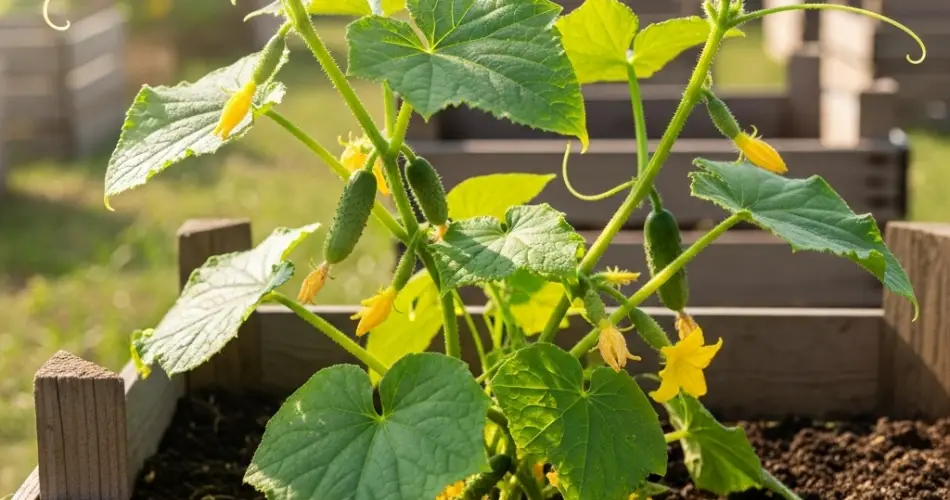
Cucumbers are a favorite in home gardens, offering refreshing, crunchy fruits perfect for salads, pickles, and snacking. For gardeners with limited space, growing cucumbers in crates provides a practical and efficient solution. Using compact wooden crates allows you to control soil quality, drainage, and plant support, while maximizing vertical space for healthy, productive vines.
Why Use Crates for Cucumber Gardening
Cucumbers naturally grow as climbing vines, making vertical growth ideal for small spaces. By planting them in crates, gardeners gain several advantages:
-
Space-saving: Ideal for patios, balconies, and small backyards.
-
Soil control: Customizable, nutrient-rich, well-draining soil ensures optimal growth.
-
Improved drainage: Reduces the risk of root rot and waterlogged soil.
-
Ease of maintenance: Watering, pruning, and harvesting are simplified.
-
Pest reduction: Raised crates limit access to ground-dwelling insects.
Crates allow gardeners to create a contained environment where cucumbers can thrive, even in urban settings or limited outdoor spaces.
Choosing the Right Crate
The crate is the foundation of a successful cucumber garden. When selecting a crate:
-
Depth: Choose at least 12–16 inches to allow proper root growth.
-
Material: Untreated wood is ideal to prevent chemical leaching.
-
Drainage: Drill holes in the bottom or use slatted sides lined with landscape fabric.
-
Stability: Ensure the crate can support the weight of soil and growing vines.
Lining the crate with breathable fabric helps retain soil while allowing excess water to drain. Elevating the crate slightly improves airflow and prolongs wood life.
Selecting Cucumber Varieties
Choose varieties suited to your crate size and growing goals:
-
Vining varieties (e.g., Marketmore, Straight Eight): Ideal for vertical growth and extended harvest.
-
Bush or compact varieties (e.g., Bush Pickle, Spacemaster): Perfect for smaller crates or tighter spaces.
-
Mini cucumbers (e.g., Baby Persian): Great for snacking and small containers.
Vining varieties require trellises, while bush types are well-suited for crate gardens without extensive support.
Preparing Soil for Cucumber Crates
Cucumbers are heavy feeders that require fertile, well-draining soil.
Recommended soil mix:
-
40% high-quality potting soil
-
40% compost or aged manure for nutrients
-
20% perlite or coarse sand for drainage
Incorporate a slow-release organic fertilizer before planting to support healthy growth. Occasional foliar feeding with liquid fertilizer can help maintain vigor and improve fruit quality.
Planting Cucumbers in Crates
-
Start seeds indoors 3–4 weeks before the last frost or purchase healthy seedlings.
-
Fill the crate with soil mix, leaving 2–3 inches from the top.
-
Plant 1–2 cucumber plants per crate, spaced to prevent overcrowding.
-
Water thoroughly to help roots settle.
For vining varieties, include a trellis or support structure to encourage vertical growth, which keeps fruits off the soil and improves airflow.
Sunlight and Watering Requirements
Cucumbers need warmth and consistent moisture:
-
Sunlight: Provide 6–8 hours of direct sunlight daily.
-
Watering: Keep soil evenly moist, watering at the base to avoid wetting leaves and reducing disease risk.
-
Mulching: Use straw, shredded leaves, or coconut coir to retain soil moisture and regulate temperature.
Training and Supporting Vines
Vertical support is essential for vining cucumber varieties:
-
Use trellises, stakes, or cages to guide upward growth.
-
Tie stems loosely to supports as they grow.
-
Prune excess foliage to improve airflow and direct energy to fruit production.
This approach helps cucumbers grow upright, saves space, and reduces fungal and pest problems.
Pest and Disease Management
While crate gardening reduces soil-borne pest issues, monitoring is still important:
-
Aphids: Remove by hand or spray with neem oil.
-
Cucumber beetles: Handpick or use organic deterrents.
-
Powdery mildew: Ensure proper spacing, airflow, and water at the soil level rather than on leaves.
Harvesting Cucumbers
-
Pick cucumbers when they reach the desired size and feel firm.
-
Frequent harvesting encourages continued production.
-
Use scissors or pruners to avoid damaging vines.
End-of-Season Care
At the end of the season, remove spent plants and refresh the soil before replanting. Compost healthy plant material and replace old soil to maintain fertility. If desired, crates can be moved indoors or into a greenhouse to extend the growing season.
Final Thoughts
Cucumber crate gardening allows you to grow abundant, healthy plants even in small spaces. By controlling soil, drainage, and vertical support, gardeners can maximize productivity while maintaining plant health. Whether growing slicing cucumbers, pickling varieties, or mini cucumbers for snacks, crate gardening is a practical and efficient way to enjoy fresh, homegrown produce in limited backyard spaces.


