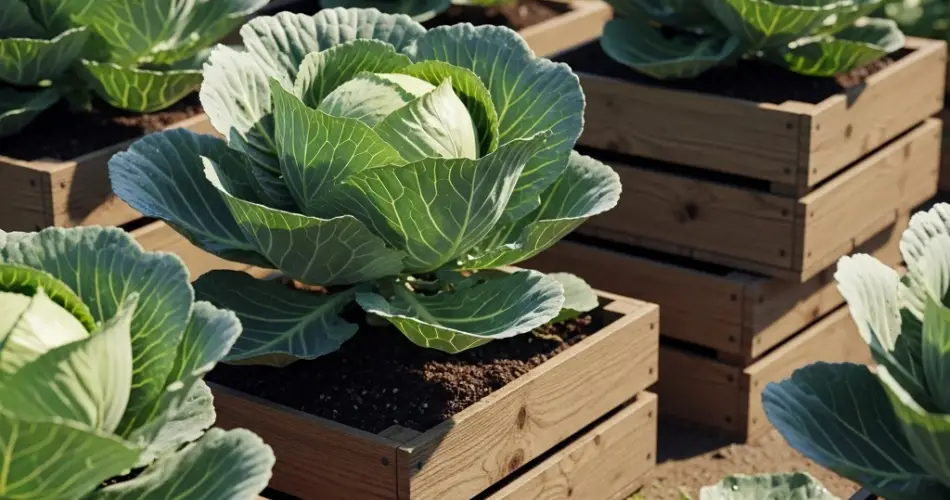
Cabbage is a hearty, nutritious vegetable that thrives in cool weather and produces abundant heads when given the right conditions. For gardeners with limited backyard space, growing cabbage in wooden crates is a practical and efficient solution. Crate gardening provides better control over soil quality, drainage, and spacing, ensuring healthier plants and higher yields.
Why Crates Work for Cabbage
Cabbage plants have deep roots and need room for their heads to form. Wooden crates offer several advantages:
-
Space-efficient: Ideal for small backyards, patios, or balconies.
-
Soil control: You can customize a nutrient-rich, well-draining soil mix.
-
Improved drainage: Prevents root rot and waterlogging.
-
Ease of maintenance: Watering, fertilizing, and harvesting are simpler.
-
Pest management: Elevated crates reduce exposure to ground-dwelling insects.
By growing cabbage in crates, gardeners can create a contained environment that encourages strong root development and reduces competition from weeds.
Choosing the Right Crate
Cabbage plants need crates that are deep and sturdy enough to support their growth:
-
Depth: At least 12–16 inches to accommodate the root system.
-
Material: Use untreated wood to avoid chemical contamination.
-
Base: Drill drainage holes in the bottom or use a slatted design lined with landscape fabric.
-
Stability: Ensure the crate can support the weight of soil and mature cabbage heads.
Lining the crate with breathable fabric helps retain soil while allowing excess water to drain. Elevating the crate slightly improves airflow and prevents the wood from rotting.
Selecting Cabbage Varieties
Choose cabbage varieties that fit your crate size and growing season:
-
Green cabbage: Classic and versatile for cooking and fresh salads.
-
Red cabbage: Adds color to dishes and has a slightly stronger flavor.
-
Savoy cabbage: Tender leaves with a crinkled texture, excellent for wraps and stews.
-
Mini or compact varieties: Ideal for smaller crates or tighter backyard spaces.
Compact varieties are especially useful for container gardening, while larger types may require wider crates to accommodate mature heads.
Preparing Soil for Crates
Cabbage is a heavy feeder and requires fertile, well-draining soil to form firm heads:
Recommended soil mix:
-
40% high-quality potting soil
-
40% compost or aged manure for nutrients
-
20% perlite or coarse sand for drainage
Before planting, mix in a balanced, slow-release fertilizer to provide essential nutrients throughout the growing season. Cabbage also benefits from occasional foliar feeding to promote healthy leaf development.
Planting Cabbage in Crates
-
Start seeds indoors 6–8 weeks before the last frost, or purchase healthy seedlings.
-
Fill the crate with prepared soil, leaving 2–3 inches from the top.
-
Plant 1–2 cabbage seedlings per crate, spacing them adequately to prevent overcrowding.
-
Water thoroughly after planting to help roots settle.
Proper spacing ensures good airflow and allows cabbage heads to develop fully without crowding.
Sunlight and Watering Requirements
Cabbage grows best in cooler temperatures and requires consistent sunlight:
-
Sunlight: At least 6 hours of direct sunlight daily.
-
Watering: Keep soil evenly moist but not waterlogged. Water at the base of the plants to prevent fungal issues.
-
Mulching: Use straw or shredded leaves to retain moisture, regulate soil temperature, and reduce weeds.
Fertilizing and Maintenance
Feed cabbage every 2–3 weeks with a balanced fertilizer. Avoid excessive nitrogen, which promotes leaf growth at the expense of head formation.
Regularly remove yellowing leaves and check for pests like aphids or cabbage worms. These can be managed by handpicking, spraying with water, or using natural deterrents.
Harvesting Cabbage
-
Harvest cabbage when heads are firm and fully formed.
-
Cut at the base with a sharp knife, leaving outer leaves intact to protect the head.
-
Frequent inspection ensures you pick heads at the optimal stage of maturity.
After harvesting, the crate can be refreshed with compost and soil for the next crop or rotated to grow another cool-weather vegetable.
End-of-Season Care
At the end of the growing season, remove old cabbage plants and compost healthy material. Refresh the soil and check drainage before planting the next batch. Crates can be used year after year with proper maintenance, making them a long-term, space-efficient solution for backyard gardeners.
Final Thoughts
Growing cabbage in crates combines practicality, control, and rustic charm, making it an excellent option for small backyard gardens. Crate gardening allows you to manage soil, drainage, and spacing effectively, leading to healthier plants and better yields. With proper care, consistent watering, and regular fertilization, your crate-grown cabbage will provide fresh, nutritious produce straight from your backyard, all while optimizing limited space.