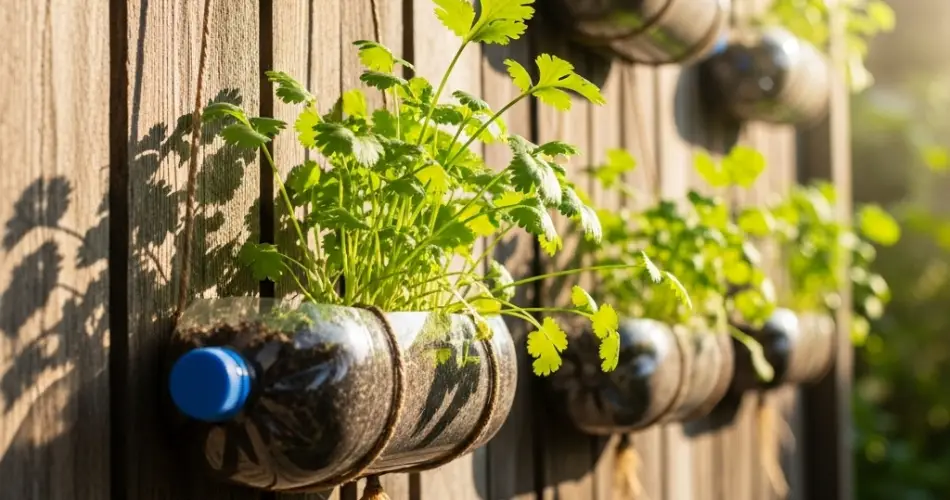
Cilantro, also known as coriander in many regions, is a versatile herb prized for its fresh, citrusy flavor. It enhances a wide variety of dishes, from salsas and salads to soups, curries, and marinades. Having fresh cilantro at your fingertips elevates any meal, but limited urban spaces can make traditional gardening difficult. A practical and creative solution is a DIY vertical herb wall, which allows you to grow cilantro efficiently while adding greenery to your home or balcony.
Why a DIY Herb Wall Works for Cilantro
Vertical gardening maximizes space by growing plants upward rather than outward. This approach is ideal for apartments, small balconies, or kitchens where floor space is limited. A DIY herb wall transforms an underused wall into a productive area, providing both aesthetic appeal and functional gardening space.
Using recycled or simple containers such as plastic bottles, small pots, or hanging planters allows you to build an eco-friendly and cost-effective vertical garden. Cilantro thrives in well-draining soil with moderate sunlight, conditions that are easy to manage in a wall-mounted setup.
Materials Needed
To create your DIY cilantro herb wall, gather the following:
-
Clean plastic bottles, small pots, or containers
-
A utility knife or scissors (if using bottles)
-
Screws, nails, or hooks for mounting
-
High-quality potting soil rich in organic matter
-
Cilantro seeds or seedlings
-
Optional: small stones or gravel for drainage and a spray bottle for watering
Preparing the Containers
If using plastic bottles, wash them thoroughly to remove residue. Cut an opening on the side wide enough for soil and seedlings, either as a horizontal cut around the middle or a vertical slit along one side. Smooth any sharp edges to prevent injury during planting and maintenance.
Add small drainage holes at the bottom of each container. Proper drainage is essential to prevent root rot and ensure healthy growth. If mounting multiple containers, make sure each drains adequately to avoid water accumulation.
Filling and Planting
Place a thin layer of gravel or small stones at the bottom of each container to improve drainage. Fill the container with high-quality potting soil suitable for herbs. Cilantro prefers light, well-draining soil that retains moisture without becoming soggy.
Plant cilantro seeds about ¼ inch deep or gently transplant seedlings into the soil. Avoid overcrowding; one or two plants per container is ideal for healthy root development. Lightly water the soil after planting to settle it around the roots.
Mounting Your DIY Herb Wall
Attach the containers to a wall, balcony railing, or wooden frame using screws, nails, or hooks. Tilt containers slightly forward to allow water to reach the roots evenly and prevent runoff. Vertical placement allows you to grow multiple plants in a compact space, and staggered arrangements can create an attractive layered effect.
For added stability, especially outdoors, ensure the containers are securely fastened. Wooden panels or frames can help organize multiple containers neatly while enhancing the visual appeal of your herb wall.
Caring for Cilantro
Cilantro grows best in bright, indirect sunlight. Indoor herb walls benefit from placement near a south-facing window or supplemental grow lights providing at least six hours of light daily. Outdoor walls should avoid prolonged exposure to intense midday sun, which can dry out the soil too quickly.
Water cilantro regularly to maintain slightly moist soil. Overwatering can cause root rot, while under-watering may stunt growth. A spray bottle works well for gently watering small containers without disturbing the soil. Fertilize occasionally with a mild, organic fertilizer to replenish nutrients, as container soil can deplete faster than garden beds.
Harvesting Cilantro
Cilantro can be harvested once the plants reach 6–8 inches in height. Pinch leaves from the top to encourage bushier growth and prevent flowering, which reduces leaf flavor. Avoid harvesting more than one-third of the plant at a time to maintain plant health. Regular pruning promotes continuous growth and ensures a steady supply of fresh leaves for culinary use.
Benefits of a DIY Cilantro Herb Wall
Creating a vertical cilantro garden offers several advantages:
-
Space-efficient: Perfect for apartments, kitchens, and small balconies.
-
Eco-friendly: Using recycled containers reduces waste.
-
Fresh access: Cilantro leaves are always within reach for cooking.
-
Visual appeal: Adds greenery and charm to walls, fences, or balcony spaces.
-
Controlled growth: Keeps cilantro contained and manageable, preventing overcrowding.
With a few containers, quality soil, and consistent care, a DIY cilantro herb wall can provide a thriving source of fresh leaves even in the smallest urban spaces. This method combines convenience, sustainability, and aesthetics, ensuring year-round access to flavorful cilantro while enhancing the ambiance of your home. From wall to plate, a DIY herb wall makes growing cilantro practical, eco-conscious, and visually appealing.


