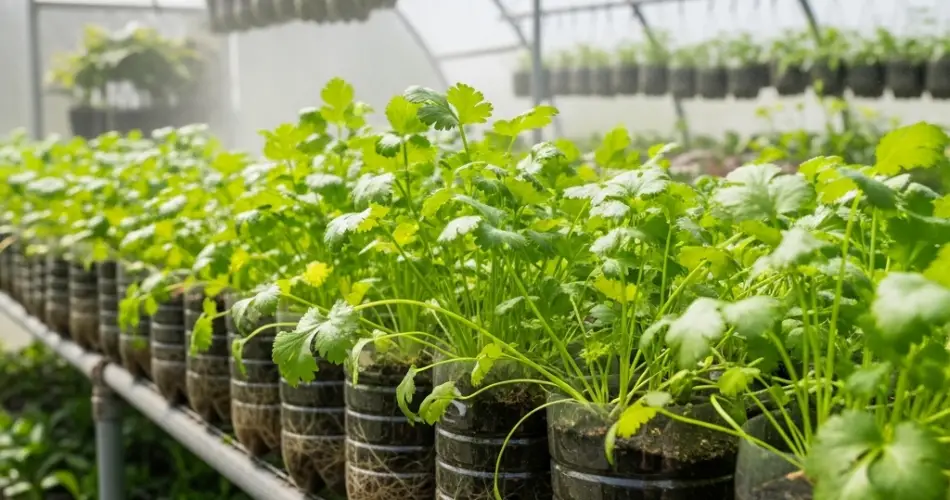
Cilantro, with its fresh aroma and vibrant green leaves, is a staple in kitchens around the world. What many don’t realize is that cilantro can be regrown easily from the stems left after cooking. This method is not only a fun way to produce a continuous supply of herbs but also an excellent example of sustainable kitchen gardening. Using nothing more than a simple bottle of water, you can bring new life to your cilantro scraps and enjoy fresh herbs for weeks.
Choosing the Right Cilantro for Regrowth
Not all cilantro is equally suitable for regrowth. The best candidates are stems with some roots or the base part of the plant left after cutting leaves for meals. When selecting stems for regrowth, choose ones that are healthy, free of mold or discoloration, and at least a few inches long. Ideally, the bottom of the stem should be slightly thickened, which indicates potential for root development.
Preparing Your Cilantro for Water Regrowth
Start by trimming the stems so that about 2–3 inches of the base remain. Remove any wilted or damaged leaves, leaving only the fresh, green upper foliage. The goal is to reduce stress on the plant while it develops new roots.
Next, select a container or bottle with enough height to support the stems without bending. A clear bottle or glass works best, as it allows you to monitor root growth easily. Fill the bottle with fresh, clean water, leaving enough space for the stems to stand upright without submerging the leaves.
Placing the Cilantro for Optimal Growth
Place the bottle in a location that receives indirect sunlight. Direct sunlight can overheat the water and damage the stems, while too little light will slow root growth. A bright windowsill or countertop near a well-lit kitchen window usually works well.
Change the water every couple of days to prevent stagnation and bacterial growth. Fresh water ensures the stems receive adequate oxygen and nutrients, promoting healthy root development. You can also rinse the stems gently under running water each time you change it to remove any slime or debris.
Watching Roots Develop
Within a few days, you should start to see tiny roots forming at the base of each stem. In one to two weeks, the roots can grow several inches long, signaling that your cilantro is ready for transplanting or continued growth in water. During this period, the leaves may also produce new growth, providing a small supply of fresh cilantro even before the plant is fully established.
Optional: Adding Nutrients for Faster Growth
While cilantro can regrow in plain water, adding a small amount of liquid fertilizer can accelerate growth and strengthen roots. Use a diluted, all-purpose liquid plant food and follow the instructions carefully. Too much fertilizer can harm the delicate stems, so moderation is key.
Transplanting to Soil (Optional)
Once the roots are well-developed, you can transfer the cilantro to soil if desired. Choose a pot with good drainage and fill it with a nutrient-rich, well-draining potting mix. Plant the cilantro so that the roots are fully covered, but the leaves remain above the soil line. Water gently and keep the plant in a bright, indirect light location. Regular watering and occasional feeding will help the plant thrive and continue producing flavorful leaves.
Harvesting New Leaves
The beauty of regrowing cilantro is the ongoing harvest. Once the plant has established itself, you can trim leaves as needed, leaving enough foliage for the plant to continue photosynthesis. Harvesting regularly encourages bushier growth and prevents the plant from becoming leggy.
Troubleshooting Common Problems
Some challenges may arise when regrowing cilantro in water. Stems may turn brown or develop a slimy coating if water is not changed frequently. Weak or stunted root growth can result from insufficient light or overwatering. By monitoring water quality, light exposure, and stem health, you can ensure a steady regrowth process.
Benefits of Regrowing Cilantro in Water
Regrowing cilantro in water is not only easy but also environmentally friendly. It reduces kitchen waste, provides fresh herbs without repeated trips to the store, and can be a fun educational project for both adults and children. This simple method demonstrates how even small efforts can make a difference in sustainability and healthy eating.
Conclusion
From a simple kitchen scrap to a thriving plant, cilantro regrowth in bottled water is a rewarding and sustainable gardening practice. With minimal tools and a little patience, you can enjoy a continuous supply of fresh herbs while giving new life to plant remnants that might otherwise be discarded. Whether you keep your cilantro in water or eventually transfer it to soil, the process offers a simple, green way to enhance your cooking and your kitchen garden.


