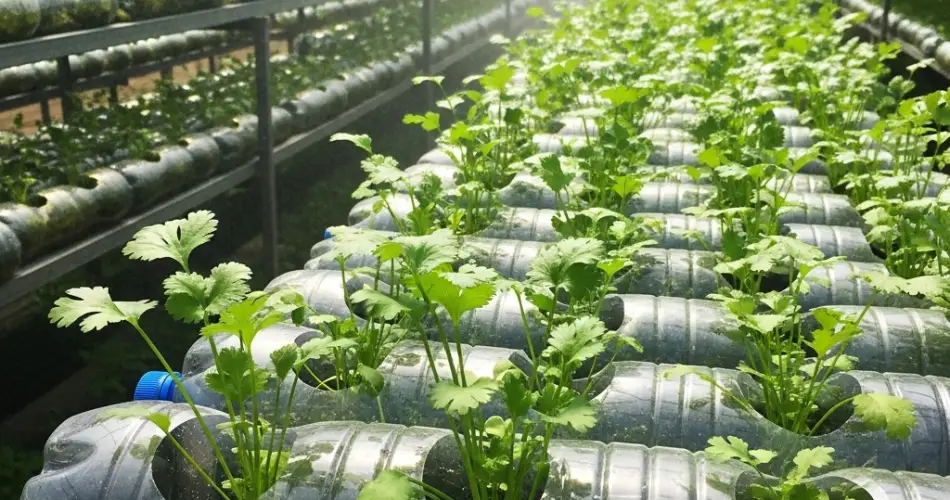
Cilantro, also known as coriander, is a versatile herb widely used in kitchens around the world. Its bright, fresh flavor elevates salsas, soups, salads, and countless dishes. While growing cilantro in traditional garden beds is possible, many urban gardeners face space limitations. A clever solution is to use plastic bottles to propagate cilantro cuttings, creating a compact, self-sustaining system that provides continuous harvests. This simple method is cost-effective, space-saving, and ideal for balconies, windowsills, or small patios.
Why Grow Cilantro from Cuttings
Cilantro is often grown from seeds, but starting plants from cuttings has several advantages:
-
Faster Growth: Cuttings can establish quickly in water before being transferred to soil.
-
Continuous Harvest: Regularly cutting and replanting stems encourages new growth.
-
Space Efficiency: Bottles are compact and easy to manage, perfect for small urban gardens.
-
Reduced Waste: Using recycled plastic bottles makes this an eco-friendly option.
By mastering cuttings in bottles, you can ensure a steady supply of fresh cilantro year-round without the need for large containers or garden beds.
Materials Needed
To create a cilantro bottle garden, you’ll need only a few simple items:
-
Clean, transparent plastic bottles (1–2 liters)
-
Scissors or a sharp utility knife
-
Fresh cilantro stems with healthy leaves
-
Water
-
Small stakes or toothpicks for support (optional)
-
Potting soil (for later transplanting)
Optional: Labels to track cuttings and harvest dates.
Preparing the Bottle
-
Clean the Bottle: Rinse thoroughly to remove any residue. Remove the label to maximize light penetration.
-
Cut the Bottle: Using scissors or a utility knife, cut the bottle in half. The bottom half will serve as a water reservoir, while the top half can hold soil or act as a protective cover.
-
Fill with Water: Place fresh cilantro cuttings in the bottom half with just the stems submerged. Avoid letting leaves touch the water to prevent rotting.
This setup creates a simple propagation station where cuttings can develop roots before being transferred to soil.
Selecting and Preparing Cuttings
Choose healthy cilantro stems that are at least 4–6 inches long. Look for stems with vibrant green leaves and no signs of disease or damage. Remove any leaves that would sit below the waterline, leaving only the upper foliage exposed.
Place the stems in the water-filled bottle, ensuring that at least an inch or two of the stem is submerged. Position the bottle in a sunny location, such as a windowsill that receives 4–6 hours of light daily. Avoid direct, harsh afternoon sunlight, which can scorch delicate leaves.
Encouraging Root Growth
Cilantro cuttings typically begin developing roots within 7–10 days. To support healthy root formation:
-
Change Water Regularly: Replace water every 2–3 days to keep it fresh and oxygen-rich.
-
Monitor Temperature: Cilantro prefers moderate temperatures, around 18–24°C (65–75°F).
-
Use Liquid Fertilizer: After roots appear, adding a diluted liquid fertilizer can encourage stronger growth before transplanting.
Once roots are about 2–3 inches long, cuttings are ready for transfer into soil or a larger container for continued growth.
Transplanting and Soil Care
After roots are established, plant the cuttings in a small container or raised bed using a well-draining soil mix. A combination of potting soil and compost works well. Keep the soil consistently moist but not waterlogged. Mulching lightly with organic material helps retain moisture and protect young roots.
As the plants grow, pinch back the top leaves regularly to encourage bushier growth and prolong the harvest period. This method ensures a continuous supply of fresh cilantro without letting the plant bolt or flower prematurely.
Harvesting Tips
-
Cut, Don’t Pull: Snip stems at the base instead of uprooting the plant to allow continuous regrowth.
-
Leave Some Leaves: Keep the upper leaves intact so the plant can continue photosynthesis.
-
Rotate Cuttings: By propagating new cuttings in water, you can stagger planting to maintain a steady supply.
Using this system, cilantro plants can provide fresh leaves for several months, making it a practical addition to any urban herb garden.
Benefits of the Plastic Bottle Method
-
Sustainable: Repurposing plastic bottles reduces waste.
-
Compact: Ideal for apartments or balconies with limited space.
-
Cost-Effective: Minimal investment in materials and soil.
-
Visual Appeal: Transparent bottles allow you to see root development, adding an educational element.
Final Thoughts
DIY cilantro cuttings in plastic bottles offer an easy, practical, and sustainable approach to small-space gardening. With minimal effort, urban gardeners can enjoy fresh, aromatic cilantro throughout the year. By regularly harvesting, propagating, and transplanting, you create a continuous cycle of growth that ensures your kitchen is never without this flavorful herb.
This method highlights how creative solutions can transform even the smallest spaces into productive, green, and delicious gardens. With just a few bottles and some simple care, fresh cilantro is always within reach.


