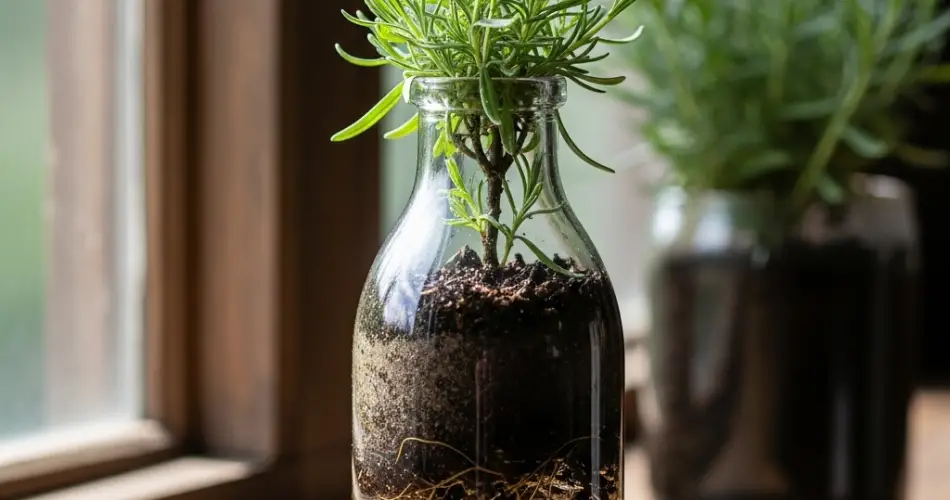
Lavender is a fragrant, versatile herb cherished for its aromatic flowers, culinary uses, and natural calming properties. Growing lavender at home can enhance your garden or indoor space with its delicate scent and vibrant purple blooms. For gardeners with limited space or an interest in sustainable practices, propagating lavender using plastic bottle planters is an efficient and eco-friendly solution. This method allows you to take cuttings and grow robust lavender plants while reusing household materials.
Why Propagate Lavender in Plastic Bottles
Using plastic bottles as planters offers several advantages for lavender propagation:
-
Space Efficiency: Small bottles are perfect for kitchen counters, windowsills, or balconies.
-
Controlled Environment: The bottle creates a mini-greenhouse effect, maintaining humidity and warmth that encourages root development.
-
Sustainable Gardening: Repurposing plastic bottles reduces waste while providing a functional planter.
-
Ease of Monitoring: Transparent bottles allow you to track root growth and water levels.
Plastic bottle planters are especially useful for starting lavender from cuttings, providing the controlled environment lavender cuttings need to root successfully.
Selecting and Preparing Lavender Cuttings
Healthy, semi-hardwood cuttings from an established lavender plant are ideal for propagation. Look for stems that are firm yet flexible, with multiple leaf nodes. Each cutting should be about 4–6 inches long.
Before planting, remove the lower leaves from each cutting to expose the nodes where roots will form. This reduces the risk of rotting in water or soil while leaving several leaves at the top for photosynthesis. A clean, sharp knife or scissors ensures a fresh cut and improves the chance of successful rooting. Optionally, dipping the cut end in rooting hormone can accelerate root formation.
Preparing Plastic Bottle Planters
Plastic bottles can serve as both planters and humidity domes for lavender propagation:
-
Choose a clear plastic bottle, 500 ml to 1 liter, for visibility and convenience.
-
Cut the bottle horizontally in half, creating a bottom section for soil and a top section to act as a humidity dome.
-
Fill the bottom section with well-draining soil or a mix of sand and compost. Lavender requires excellent drainage to prevent root rot.
-
Insert the cutting into the soil, making sure it stands upright and the base is stable.
-
Cover the cutting with the top half of the bottle to maintain consistent humidity.
This setup creates a favorable microenvironment, helping the lavender cutting establish roots efficiently while minimizing water loss.
Rooting and Early Care
Place the bottle planter in a location with bright, indirect sunlight. Avoid direct sunlight, which may overheat the cutting. Check the soil regularly to ensure it remains lightly moist but not soggy.
Open the top of the bottle occasionally to allow airflow and prevent mold or fungal growth. Lavender cuttings typically form roots within 3–6 weeks. White root tips should become visible through the transparent bottle as the plant establishes itself.
Transplanting Rooted Lavender
Once the roots are well-developed, the lavender is ready to move into a larger pot or garden bed:
-
Prepare a container with well-draining soil enriched with compost or organic matter.
-
Gently remove the cutting from the bottle planter, taking care not to damage the delicate roots.
-
Plant the lavender in the new pot, covering the roots and firming the soil gently.
-
Water lightly and place the plant in bright sunlight to acclimate it gradually.
Proper care after transplanting ensures the lavender grows strong, producing aromatic leaves and vibrant blooms.
Caring for Lavender
Maintaining healthy lavender involves consistent but careful attention:
-
Light: Lavender thrives in 6–8 hours of direct sunlight per day.
-
Watering: Allow the soil to dry slightly between waterings. Overwatering can cause root rot.
-
Temperature: Lavender prefers moderate temperatures and good air circulation.
-
Fertilization: A light application of balanced fertilizer every 4–6 weeks promotes healthy growth without overfeeding.
Regular pruning of flowering stems encourages bushier growth and more blooms in the following season.
Benefits of Plastic Bottle Lavender Propagation
-
Efficient and fast rooting for new plants
-
Space-saving and ideal for indoor or small-space gardening
-
Sustainable use of recycled bottles
-
Easy monitoring of soil moisture and root development
-
Protects young cuttings from drafts, pests, and temperature swings
Final Thoughts
Propagating lavender in plastic bottle planters is a simple, sustainable, and highly effective way to grow aromatic, flowering plants at home. By selecting healthy cuttings, preparing bottles correctly, and providing consistent care, gardeners can nurture lavender from cutting to bloom. This method is ideal for small spaces, urban apartments, and eco-conscious gardeners who want a practical, low-cost approach to cultivating herbs. With patience and proper maintenance, bottle-propagated lavender will grow into robust, fragrant plants that enhance both your indoor and outdoor spaces.


