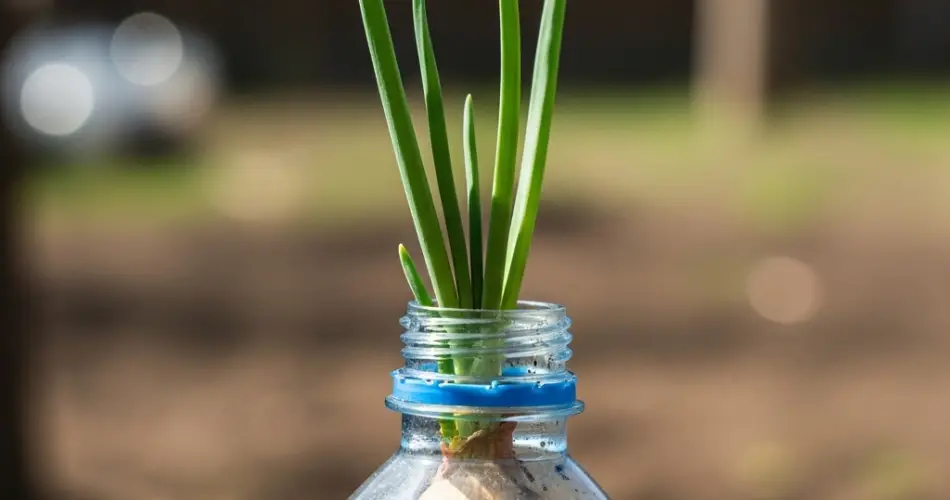
If you’ve ever dreamed of growing your own onions but thought you needed a large garden, think again. With just a few plastic bottles and some sprouting onions, you can create a productive mini-garden right at home. This compact, eco-friendly method not only reuses waste materials but also lets you enjoy a continuous supply of green onions or small bulbs, even from a balcony or sunny windowsill.
Here’s how to turn an ordinary plastic bottle into a thriving onion planter—no backyard required!
Why Use Plastic Bottles for Growing Onions?
Plastic bottle gardening is an innovative way to grow food in tight spaces. Whether you’re living in an apartment or simply want to experiment with vertical gardening, this method offers plenty of advantages:
-
Space-efficient – Perfect for windowsills, balconies, or walls
-
Eco-friendly – Reuses plastic waste and reduces landfill impact
-
Low-cost – Requires minimal materials
-
Convenient – Easy to maintain and harvest from
-
Productive – Great for growing green onion tops and small bulbs
Onions grow well in bottles because they don’t require deep soil. They thrive in shallow containers as long as they have enough nutrients, moisture, and sunlight.
Materials You’ll Need
To get started, collect the following:
-
A clean, transparent 1.5- or 2-liter plastic bottle
-
A sharp knife or scissors
-
Onion sets or sprouting kitchen onion bulbs
-
Good quality potting mix or compost
-
Small trowel or spoon
-
A skewer or metal rod (to poke drainage holes)
-
Watering can or spray bottle
Optional: string or wire if you want to hang the bottle vertically.
Preparing the Bottle Planter
There are a few simple steps to transform your bottle into a vertical garden:
-
Cut Holes for the Onion Bulbs:
Using scissors or a knife, make small circular holes (about the size of a coin) around the sides of the bottle. Space them out evenly in a spiral pattern, leaving a few inches between each hole. -
Create a Water Drainage System:
Poke several holes at the bottom of the bottle using a skewer or knife to allow excess water to escape. This prevents waterlogging and root rot. -
Cut the Top Off the Bottle:
Remove the upper portion of the bottle to make it easier to fill with soil and water the plants. -
Optional Hanging Feature:
If you want to hang the bottle, make two small holes near the top and loop string or wire through to form a handle.
Planting the Onions
-
Choose Your Onion Bulbs:
Use either onion sets (small dormant bulbs) or sprouting kitchen onions. As long as the roots and a small green shoot are intact, they’ll regrow easily. -
Layering Soil and Bulbs:
Start by adding soil up to the first row of holes. Insert the onion bulbs into the holes so that the tips or green shoots face outward. Continue filling the bottle with soil and placing bulbs in the holes layer by layer until the bottle is full. -
Top Planting:
You can also place a few bulbs directly at the top opening for added yield. -
Watering:
Gently water the soil to moisten it evenly. Keep the soil slightly damp but not soaked.
Growing Conditions
-
Light: Onions need around 6 hours of sunlight daily. Place the bottle near a sunny window, balcony, or terrace.
-
Temperature: They grow best in cool to moderate climates (12–24°C or 54–75°F).
-
Watering: Water consistently, especially when the topsoil feels dry. Bottle planters tend to dry out quickly.
-
Feeding: Apply diluted organic fertilizer or compost tea every two weeks to promote strong growth.
Harvesting Onions
You can begin harvesting green onion tops once they are 6–8 inches tall. Use scissors to snip the greens, leaving at least 2 inches for regrowth. For full onion bulbs, allow the plants to grow until the tops yellow and bend over naturally—usually after 10–12 weeks.
If you’re growing just for green onions, you can harvest repeatedly for weeks from the same bulbs.
Common Issues and Solutions
-
Yellowing Leaves: Could be due to lack of nutrients or overwatering. Adjust watering and fertilize as needed.
-
Mold or Fungal Growth: Improve air circulation and reduce humidity. Avoid overwatering.
-
Small Bulbs: This may be due to limited soil space or not enough light. Prioritize harvesting greens if bulbs remain small.
Regrow from Kitchen Scraps
A great bonus of this method is that you can reuse the white root ends of store-bought green onions. Just place them in moist soil inside the bottle, and you’ll see green shoots reappear in a few days.
Final Thoughts
Growing fresh onions in plastic bottles is a simple, sustainable way to bring a bit of the garden into any living space. It’s affordable, beginner-friendly, and surprisingly productive. Whether you’re growing for the greens or aiming for small bulbs, this method is a great introduction to urban gardening and a creative way to reduce waste while enjoying homegrown flavor.


