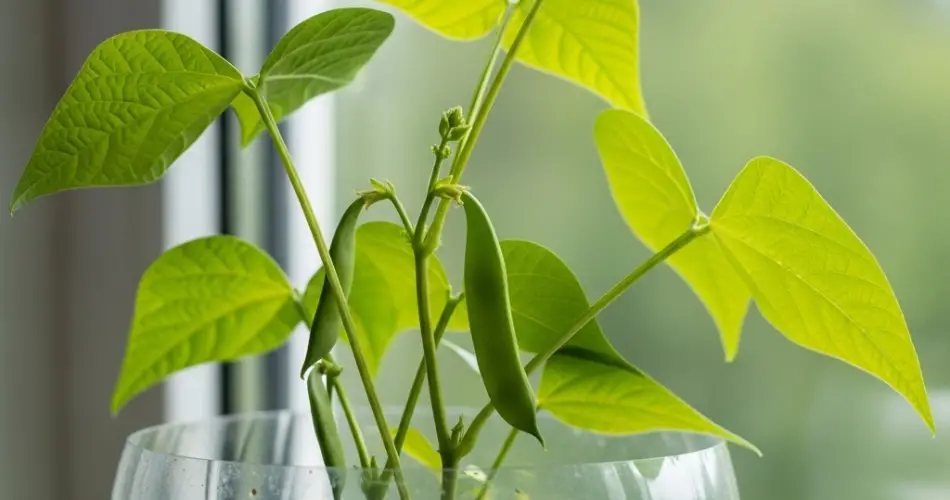
Growing green beans at home doesn’t require a sprawling garden or expensive containers. In fact, with a few recycled plastic bottles, you can create a sustainable and space-saving setup to enjoy a steady harvest of fresh green beans. This method is ideal for balconies, patios, or windowsills and offers a practical way to recycle plastic while producing nutritious vegetables.
Here’s a step-by-step guide to growing green beans in plastic bottles—a simple, eco-friendly solution for small-space gardeners.
Why Choose Green Beans for Bottle Gardening?
Green beans are among the easiest vegetables to grow at home. They germinate quickly, require minimal care, and thrive in containers. Their shallow root systems and compact growth habit make them perfect for bottle cultivation. Plus, they enrich the soil with nitrogen, making them excellent companions in any garden setting.
Materials Needed
To get started, you’ll need:
-
Clean 1.5L or 2L plastic bottles (preferably transparent)
-
Scissors or a utility knife
-
Nail or screwdriver (for drainage holes)
-
Potting mix or garden soil with compost
-
Green bean seeds (bush or dwarf varieties are best for containers)
-
A stick or small trellis (for support)
-
Watering can or spray bottle
Preparing the Bottles
-
Clean and Cut the Bottles
Remove any labels and thoroughly wash the bottles. Using a knife or scissors, cut off the top portion of each bottle (around one-third of the way down). This creates an open container for planting. -
Create Drainage Holes
Poke 4–6 small holes in the bottom of each bottle to allow for water drainage. This prevents waterlogging and helps keep roots healthy. -
Optional Water Reservoir Setup
For a self-watering option, you can invert the bottle top and insert it into the bottom half, adding a piece of cloth or cotton through the mouth to act as a wick. Add water to the bottom part and soil to the top to create a self-irrigating system.
Planting Green Beans in Bottles
-
Soil Preparation
Use well-draining potting mix combined with compost or organic matter. Fill the bottle with soil, leaving about 3–5 cm from the top to avoid overflow during watering. -
Sowing Seeds
Plant 2–3 green bean seeds about 2.5 cm (1 inch) deep in each bottle. Space them out evenly. Once they sprout, thin them to the strongest seedling to avoid overcrowding. -
Watering
Moisten the soil gently using a spray bottle or watering can with a fine spout. Keep the soil consistently moist but not soggy during germination.
Caring for Bottle-Grown Green Beans
-
Sunlight
Green beans need 6–8 hours of direct sunlight per day. Place the bottles in a sunny spot—ideally a south-facing window or a balcony. -
Support Structure
While bush varieties may not require much support, it’s still helpful to insert a small stick or mini trellis into the bottle to help the plant grow upright and prevent damage to the stem. -
Watering Schedule
Water regularly, especially on hot days. The limited soil in bottles can dry out quickly, so keep an eye on moisture levels. -
Fertilizing
Green beans are light feeders. A dose of compost tea or diluted organic fertilizer once every 2–3 weeks will support healthy growth and flowering. -
Pollination
In outdoor settings, bees and other insects will handle pollination. If you’re growing indoors, you can gently tap the flowers or use a soft brush to encourage pollination manually.
Harvesting
Green beans are ready to harvest in about 50–60 days after planting, depending on the variety. Harvest the pods when they are firm and about the length of your finger. Pick regularly to encourage the plant to produce more pods.
To harvest, use scissors or gently snap off the beans with your fingers to avoid damaging the stem. If you continue to harvest mature pods regularly, the plant will produce for several weeks.
Replanting and Maintenance
After harvesting is complete, you can replant new seeds in the same bottle. Remove old roots and refresh the soil with compost or new potting mix to maintain fertility.
Reusing the same bottles allows for multiple growing cycles throughout the year, especially in tropical or mild climates where beans can be grown nearly year-round.
Eco-Friendly Tips
-
Use rainwater for watering your plants when possible.
-
Mix in crushed eggshells or banana peels into the soil for extra nutrients.
-
Stack or hang bottles vertically to save more space.
-
Label your bottles with planting dates to track growth stages and harvest timelines.
Conclusion
Growing green beans in recycled plastic bottles is a sustainable, budget-friendly, and rewarding gardening practice. It not only helps reduce plastic waste but also offers an easy way to grow fresh, pesticide-free vegetables at home. Whether you’re working with a small balcony or just a sunny windowsill, this method gives you the joy of gardening in a compact and eco-conscious way.


