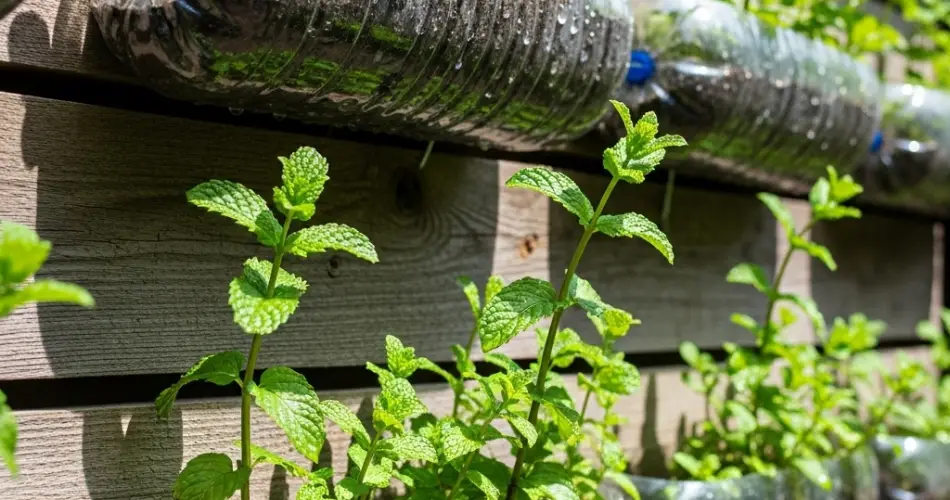
Mint (Mentha spp.) is a fragrant and versatile herb, perfect for teas, desserts, salads, and garnishes. Its vigorous growth makes it an excellent choice for small-space gardening, especially when grown vertically. Using recycled bottles as planters, you can create a sustainable vertical mint garden, maximizing space while maintaining fresh leaves year-round. This method is eco-friendly, visually appealing, and ideal for urban gardeners with limited balcony or indoor space.
This guide covers all the steps to successfully grow mint in a vertical bottle garden—from container preparation and planting to care, maintenance, and harvesting.
Selecting and Preparing Bottles
Upcycling bottles into planters is the first step in creating a vertical mint garden.
-
Bottle choice: Use 1–2 liter plastic bottles for larger mint plants, or small bottles for compact varieties. Glass jars can also work for indoor displays.
-
Preparation: Clean bottles thoroughly and remove labels for a neat appearance. Cut the bottles horizontally to create an open planting area or vertically for cascading arrangements.
-
Drainage: Puncture small holes in the bottom of each bottle to allow excess water to escape. Proper drainage is essential to prevent root rot and maintain healthy mint.
Reusing bottles not only conserves materials but also keeps the garden lightweight for vertical installation.
Setting Up the Vertical Structure
A sturdy wall or frame ensures your mint garden is secure and accessible.
-
Support: Use nails, hooks, or a trellis to attach bottles to the wall. Ensure the structure can hold the combined weight of soil, water, and growing plants.
-
Placement: Position the vertical garden in a location that receives bright, indirect sunlight for 4–6 hours per day. Mint tolerates some shade but performs best with consistent light.
-
Accessibility: Arrange bottles for easy watering, pruning, and harvesting, ensuring all plants receive adequate air circulation.
A well-designed structure supports vigorous growth and helps prevent damage from wind or accidental knocks.
Choosing Soil and Planting
Mint grows best in light, well-draining, and nutrient-rich soil.
-
Soil mix: Use a potting mix with equal parts peat moss, compost, and perlite to retain moisture while promoting drainage.
-
Planting depth: Ensure each bottle has at least 4–6 inches of soil to support the plant’s root system.
-
Planting mint: You can start from seeds, cuttings, or small nursery plants. Sow seeds thinly and lightly cover them with soil, keeping the soil moist until seedlings emerge. Transplants or cuttings should be spaced evenly to allow airflow and reduce competition.
Proper soil and planting practices encourage robust growth and reduce the risk of disease.
Watering Techniques
Consistent soil moisture is key to healthy mint growth in vertical gardens.
-
Check soil moisture: Insert your finger about an inch into the soil. Water when it feels dry at that depth.
-
Even watering: Water slowly and evenly to ensure the root zone absorbs moisture. Avoid splashing water on leaves, which can encourage fungal problems.
-
Drainage: Make sure excess water drains freely from the bottom of each bottle. Empty any standing water from trays to prevent root rot.
Vertical gardens dry faster than traditional containers, so regular monitoring is essential.
Fertilization
Mint benefits from occasional feeding to sustain growth and flavor.
-
Organic fertilizers: Compost tea or diluted liquid seaweed provides essential nutrients without harming the environment.
-
Frequency: Fertilize every 3–4 weeks during the growing season. Reduce feeding during cooler months when growth slows.
-
Balanced nutrition: Ensure nitrogen-rich fertilizer to encourage lush foliage, while phosphorus and potassium support root health and overall vigor.
Regular fertilization helps maintain vigorous growth for year-round harvests.
Pruning and Harvesting
Pruning encourages bushy growth and continuous leaf production.
-
Pinch tips: Regularly pinch off the top stems to promote branching and fuller plants.
-
Remove old or damaged leaves: Trim yellowing or wilted leaves to maintain plant health.
-
Harvesting: Pick leaves as needed, leaving at least two-thirds of the plant intact to continue growth. Frequent harvesting prevents flowering and encourages new leaves.
Pruning and harvesting properly ensures a constant supply of fresh mint leaves.
Benefits of a Vertical Bottle Mint Garden
-
Sustainability: Upcycling bottles reduces plastic waste and promotes eco-friendly gardening.
-
Space efficiency: Vertical gardens make optimal use of small spaces such as balconies, patios, or indoor walls.
-
Aesthetic appeal: Cascading mint adds a vibrant green visual element to any space.
-
Year-round harvest: With proper care, your mint plants will provide fresh leaves for culinary use throughout the year.
Final Thoughts
Growing mint in a vertical bottle garden is a simple, sustainable, and rewarding way to enjoy fresh herbs all year. By carefully selecting bottles, preparing soil, and monitoring water and nutrients, you can cultivate lush, aromatic mint in a small footprint. Regular pruning and harvesting keep plants productive, while a vertical setup maximizes space and adds natural beauty to your home.
With consistent care, your vertical mint garden will thrive, providing flavorful leaves for teas, dishes, and garnishes year-round, all while reducing waste and enhancing your indoor or balcony space.


