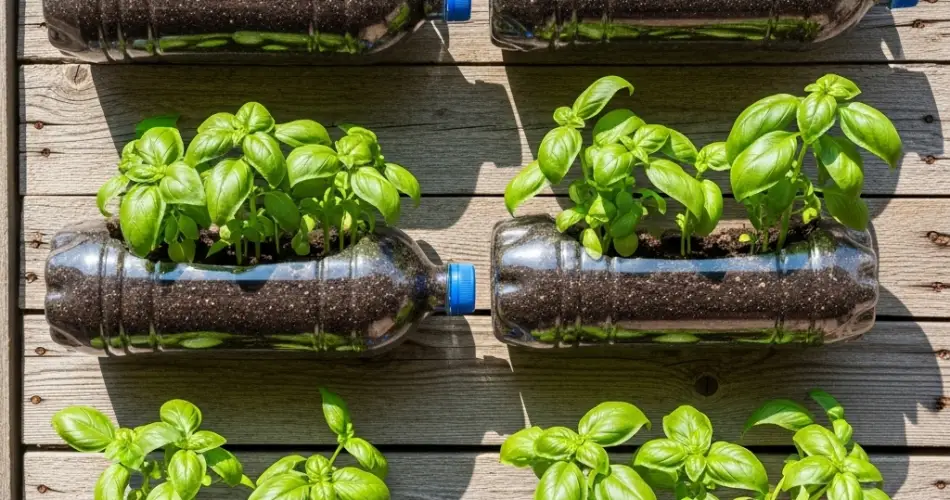
Growing fresh basil at home can be both rewarding and practical, especially when you take advantage of limited space with a vertical garden. One of the most innovative and eco-friendly ways to cultivate basil is by repurposing plastic bottles to create a wall-mounted herb garden. This approach not only maximizes space but also reduces plastic waste while providing a continuous supply of aromatic basil leaves for cooking.
Why Choose a Wall-Mounted Plastic Garden?
Urban gardening often comes with space limitations, making traditional garden beds or large pots impractical. A vertical garden solves this problem by using walls, fences, or balcony railings to grow plants upward instead of outward. Plastic bottles are an ideal material for this type of garden because they are lightweight, durable, and easy to modify for planting. Additionally, this method encourages sustainable practices by giving new life to materials that would otherwise end up in the trash.
Basil is particularly well-suited for vertical gardening. It thrives in well-drained soil, requires moderate watering, and enjoys plenty of sunlight. A wall-mounted setup allows you to control these conditions effectively, ensuring your basil plants remain healthy and productive.
Materials Needed
To create a recycled plastic bottle basil garden, you will need:
-
Clean, empty plastic bottles (1–2 liters work best)
-
A utility knife or scissors
-
Screws, nails, or hooks for hanging
-
Potting mix rich in organic matter
-
Basil seeds or seedlings
-
Optional: gravel or small stones for drainage, and a watering container or spray bottle
Preparing the Bottles
Start by washing the plastic bottles thoroughly to remove any residue. Next, cut an opening along the side of the bottle large enough to accommodate soil and seedlings. A horizontal cut near the middle or a vertical slit on the side works well, depending on your preferred design. Ensure the cut edges are smooth to prevent injury when handling the bottles.
Add a few small holes at the bottom of each bottle to allow water to drain. Proper drainage is crucial for basil, as stagnant water can lead to root rot. If you are stacking or lining multiple bottles, make sure each has sufficient drainage to maintain plant health.
Filling and Planting
Place a thin layer of gravel or small stones at the bottom of the bottle to aid drainage. Then, fill the bottle with a high-quality potting mix suitable for herbs. Basil prefers soil that is light, well-draining, and rich in organic matter.
Plant your basil seeds about ¼ inch deep, or carefully transplant seedlings into the soil. Avoid overcrowding by placing only one or two plants per bottle. After planting, water gently to help settle the soil around the roots.
Mounting Your Wall Garden
Attach the bottles to a wall, fence, or balcony railing using screws, nails, or hooks. Position the bottles at a slight forward angle so water naturally reaches the roots and prevents runoff. A vertical arrangement allows you to grow multiple plants in a compact space, while alternating the position or orientation of bottles can create an appealing visual pattern.
For added stability, especially in outdoor settings, make sure the bottles are securely fastened. Lightweight frames or wooden panels can also be used to organize the bottles into neat rows.
Caring for Your Basil Plants
Basil thrives in bright, indirect sunlight. Indoor gardens benefit from placement near south-facing windows or under grow lights for at least 6 hours per day. Outdoor setups should avoid prolonged exposure to harsh midday sun, which can dry out the soil too quickly.
Water consistently to keep the soil slightly moist but not soggy. A spray bottle works well for controlling moisture in small containers without disturbing the soil. Fertilize occasionally with an organic liquid fertilizer to replenish nutrients, as vertical gardens often have limited soil volume.
Harvesting and Maintenance
You can begin harvesting basil leaves once the plants reach 6–8 inches in height. Pinch leaves from the top of the plant, which encourages bushier growth and prevents flowering. Avoid removing more than one-third of the plant at a time to maintain health. Regular harvesting promotes continuous leaf production and ensures flavorful leaves throughout the growing season.
Advantages of a Plastic Bottle Basil Garden
This creative gardening method offers multiple benefits:
-
Space-efficient: Ideal for small apartments, balconies, or indoor walls.
-
Eco-friendly: Recycles plastic bottles and reduces waste.
-
Convenient access: Fresh basil is always within reach for cooking.
-
Aesthetic appeal: Adds greenery and visual interest to your space.
-
Cost-effective: Minimal materials required for a productive garden.
With a few simple steps and a bit of care, you can transform ordinary plastic bottles into a flourishing vertical basil garden. This method allows you to enjoy fresh herbs year-round while embracing sustainable gardening practices. Not only will you enhance your culinary creations, but you’ll also add a touch of creativity and greenery to your living space.


