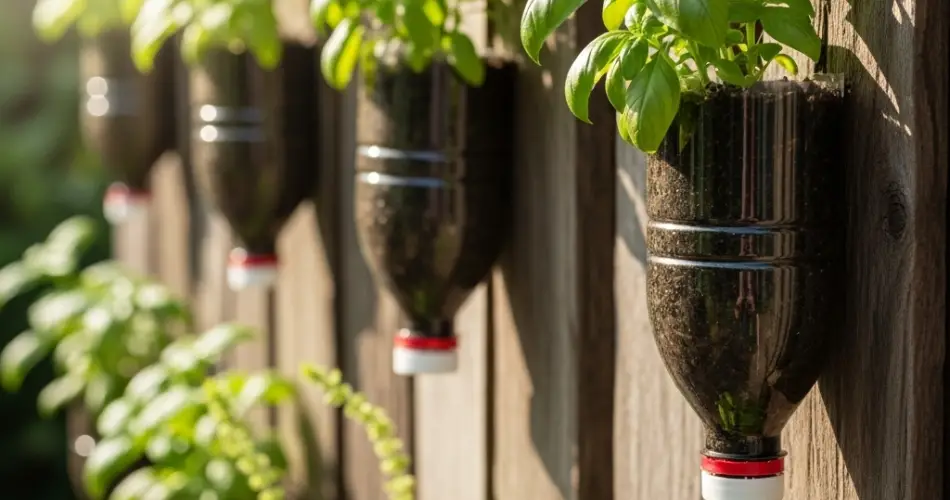
Growing fresh basil at home is both practical and rewarding, especially for gardeners with limited space. One innovative solution is creating vertical planters from recycled bottles. Not only does this approach save space, but it also promotes sustainability by repurposing materials that might otherwise be discarded. A vertical basil garden made from bottles can adorn walls, fences, or balconies, providing a continuous supply of aromatic leaves for cooking and garnishing.
This guide walks you through the process of transforming ordinary bottles into thriving vertical planters for basil, covering preparation, planting, care, and maintenance.
Selecting and Preparing Bottles
The first step is choosing suitable bottles.
-
Plastic bottles: 1–2 liter bottles are ideal because they are lightweight and easy to handle.
-
Glass jars: Smaller glass containers work for compact basil varieties but require careful drainage management.
-
Preparation: Wash bottles thoroughly to remove residues. Remove labels for a cleaner appearance, and make drainage holes at the bottom. Proper drainage is crucial to prevent waterlogging, which can damage roots.
Cutting the bottles can be done horizontally, creating a wider planting area, or vertically, which allows for staggered, cascading growth in a wall setup.
Setting Up the Vertical Structure
A stable and accessible structure is essential for vertical gardening.
-
Support options: Use a wooden trellis, metal frame, or wall-mounted hooks to secure the bottles. Make sure the structure can support the weight of soil, water, and plants.
-
Placement: Choose a location with bright, indirect sunlight, ideally 6–8 hours per day. Avoid harsh direct sunlight that can scorch leaves.
-
Accessibility: Arrange bottles so you can easily water, prune, and harvest. Position them at different heights if needed, ensuring adequate airflow and light for all plants.
A well-planned structure ensures the bottles remain secure while providing optimal growing conditions.
Choosing the Right Soil
Basil thrives in light, well-draining soil.
-
Potting mix: Use a commercial potting mix or create your own with equal parts peat moss, perlite, and compost.
-
Depth: Fill each bottle with at least 4–6 inches of soil to accommodate root growth.
-
Nutrients: Mix in organic fertilizer or compost to provide steady nourishment for the basil.
Well-prepared soil ensures moisture retention without waterlogging, supporting healthy foliage and strong stems.
Planting Basil
Basil can be started from seeds or transplants.
-
Seeds: Sow seeds thinly, covering lightly with soil. Keep soil moist until seedlings emerge, usually within 7–14 days.
-
Transplants: Young basil plants can be transferred into bottles. Space them evenly to prevent overcrowding and promote airflow.
-
Variety selection: Opt for compact or bushy basil varieties that suit vertical arrangements.
Proper planting ensures strong growth and a productive harvest.
Watering Techniques
Maintaining consistent soil moisture is critical for vertical basil planters.
-
Check soil daily: Stick your finger into the top inch of soil. Water when it feels dry.
-
Even watering: Pour water slowly over the soil to ensure roots absorb moisture without overflowing the bottle.
-
Drainage: Always empty excess water from the base tray to prevent root rot.
Because hanging or vertical containers dry faster, frequent monitoring is essential, especially in warm or sunny conditions.
Fertilizing for Continuous Growth
Regular feeding promotes leaf production and overall plant health.
-
Organic fertilizers: Liquid seaweed, compost tea, or balanced organic fertilizers work well for basil.
-
Frequency: Fertilize every 2–3 weeks during active growth. Reduce feeding in cooler months or when growth slows.
-
Balanced nutrition: Ensure the fertilizer provides nitrogen for leafy growth, phosphorus for root development, and potassium for overall vigor.
Balanced nutrition supports lush foliage and extends the harvest season.
Pruning and Harvesting
Proper pruning encourages bushy growth and maximizes yield.
-
Pinch tops: Regularly pinch off the tips to promote branching and fuller plants.
-
Remove yellow leaves: Trim damaged or discolored leaves to maintain plant health.
-
Harvesting: Pick leaves as needed, leaving at least two-thirds of the plant intact to sustain growth. Prevent flowering by removing buds, which directs energy back into leaf production.
Consistent pruning ensures a continuous supply of flavorful basil.
Benefits of a Bottle-Based Vertical Basil Garden
-
Sustainability: Reuses plastic bottles, reducing waste.
-
Space efficiency: Vertical design maximizes limited indoor or balcony space.
-
Visual appeal: A wall of trailing green plants adds beauty to any area.
-
Fresh herbs year-round: With proper care, your vertical garden produces aromatic basil continuously.
Final Thoughts
Creating vertical basil planters from bottles is a simple, eco-friendly, and rewarding way to grow fresh herbs at home. By selecting the right bottles, preparing soil, ensuring proper watering, and practicing regular pruning and fertilization, you can maintain healthy, productive plants in even the smallest spaces.
A sustainable bottle-to-leaf garden not only provides year-round fresh basil but also transforms walls or fences into vibrant, living green displays, combining practicality with beauty in urban gardening.


