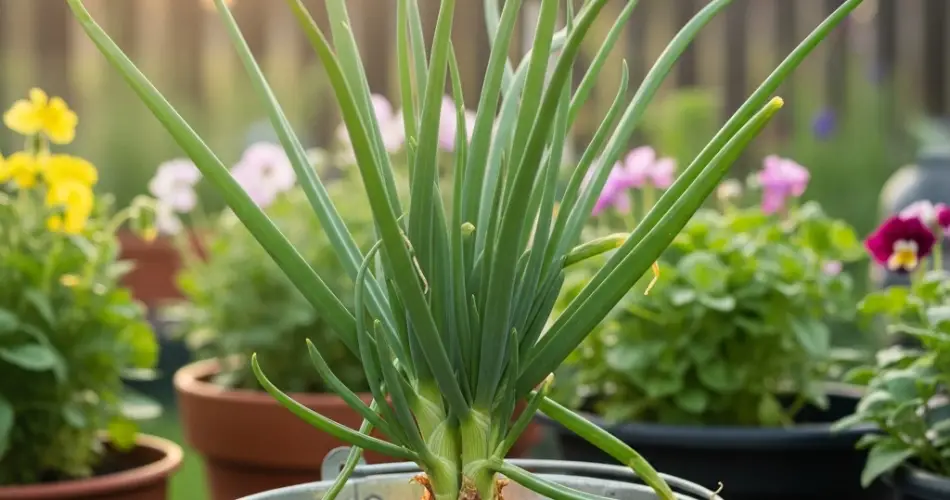
Green onions, also known as scallions or spring onions, are a staple in many kitchens. Their mild, fresh flavor enhances soups, salads, stir-fries, and countless other dishes. The good news is that you don’t need a large backyard to enjoy a steady supply of them. Green onions grow beautifully in small containers, making them a perfect crop for apartments, balconies, patios, or even sunny kitchen windowsills.
Container gardening offers an easy way to keep fresh green onions within reach all year round. With minimal care, these fast-growing plants can be harvested continuously, giving you both tender green tops and crisp white bases. Here’s a complete guide to growing green onions successfully in small containers.
Why Green Onions Are Perfect for Containers
Green onions are one of the best choices for small-space gardening because:
-
Compact growth: They don’t require deep soil or wide spacing.
-
Fast harvest: They mature quickly, often within 30–50 days.
-
Cut-and-come-again: You can snip the greens and allow them to regrow multiple times.
-
Versatility: They thrive indoors or outdoors with adequate light.
This makes them an excellent crop for beginner gardeners or anyone who wants quick results.
Choosing the Right Container
Green onions have shallow root systems, so you don’t need large or deep pots. Here’s what works best:
-
Depth: A container that is 6–8 inches deep is sufficient.
-
Width: The wider the container, the more onions you can grow at once. A simple window box or a 10-inch pot works perfectly.
-
Drainage: Ensure there are holes at the bottom to prevent waterlogging.
Small plastic pots, clay pots, or recycled food containers with added drainage holes are all suitable.
Soil Preparation
For strong, flavorful growth, green onions need light, fertile, and well-drained soil. Garden soil alone is too heavy for containers, so create a balanced mix:
-
Base: Use quality potting mix as the foundation.
-
Organic matter: Add compost or well-rotted manure for nutrients.
-
Aeration: Mix in a little sand or perlite to improve drainage.
Aim for soil with a pH of 6.0–7.0, which is ideal for onion growth.
Planting Green Onions
You can start green onions from three main sources:
-
Seeds – Inexpensive and give you more options in terms of variety, though they take longer to mature.
-
Sets – Small immature bulbs available at garden centers; faster than seeds.
-
Kitchen scraps – One of the easiest methods: regrow them from the white root ends of store-bought green onions.
How to Plant:
-
Fill the container with prepared soil, leaving about an inch at the rim.
-
Plant seeds about ¼ inch deep and 1–2 inches apart. For sets or root ends, plant them upright, just deep enough to cover the roots.
-
Water lightly after planting to settle the soil.
Sunlight and Watering
Green onions need good light and consistent moisture to thrive.
-
Light: Place containers where they receive 6–8 hours of sunlight daily. Indoors, set them near a sunny window or use a grow light.
-
Watering: Keep soil evenly moist, but avoid waterlogging. Containers dry out faster than garden beds, so check regularly. A simple rule is to water when the top inch of soil feels dry.
Fertilizing for Growth
Because container soil loses nutrients faster, light fertilization is important.
-
Early growth: Use a balanced liquid fertilizer or compost tea every 2–3 weeks.
-
Sustaining growth: A nitrogen-rich feed encourages lush green tops, perfect if you plan to harvest primarily for greens.
Avoid over-fertilizing, as it can lead to overly soft growth.
Harvesting Green Onions
One of the best parts of growing green onions in containers is how quickly you can enjoy them.
-
For greens: Start snipping leaves once they reach 6–8 inches tall. Use scissors to cut the outer leaves, leaving the center intact so the plant continues growing.
-
For whole plants: Harvest by gently pulling the entire onion from the soil when the base is about ½ inch thick.
By using the cut-and-come-again method, you can extend your harvest for weeks from the same planting.
Common Problems and Solutions
Although green onions are easy to grow, a few challenges may arise:
-
Yellowing leaves: Usually a sign of nutrient deficiency—add compost or a mild fertilizer.
-
Pests: Thrips or aphids may appear. Wash them off with water or use a natural insecticidal soap.
-
Overcrowding: Thin seedlings if they’re too close together, as crowded plants won’t develop properly.
Regular monitoring helps prevent problems from spreading.
Extending the Harvest
Green onions are quick to regrow after cutting, especially if you leave the root base intact. By planting in succession—sowing seeds or adding root cuttings every couple of weeks—you can ensure a continuous supply of fresh green onions throughout the year.
Indoors, you can even keep a container of green onions near your kitchen, allowing you to snip what you need as you cook.
Final Thoughts
Growing green onions in small containers is one of the simplest and most rewarding gardening projects. They require little space, grow quickly, and provide an ongoing harvest of fresh, flavorful greens that elevate everyday meals. Whether you’re planting seeds, sets, or regrowing from kitchen scraps, green onions thrive with minimal effort.
For those new to container gardening, green onions are the perfect crop to start with. With just a pot, some soil, and a sunny spot, you can enjoy a continuous supply of this versatile kitchen favorite right at home.


