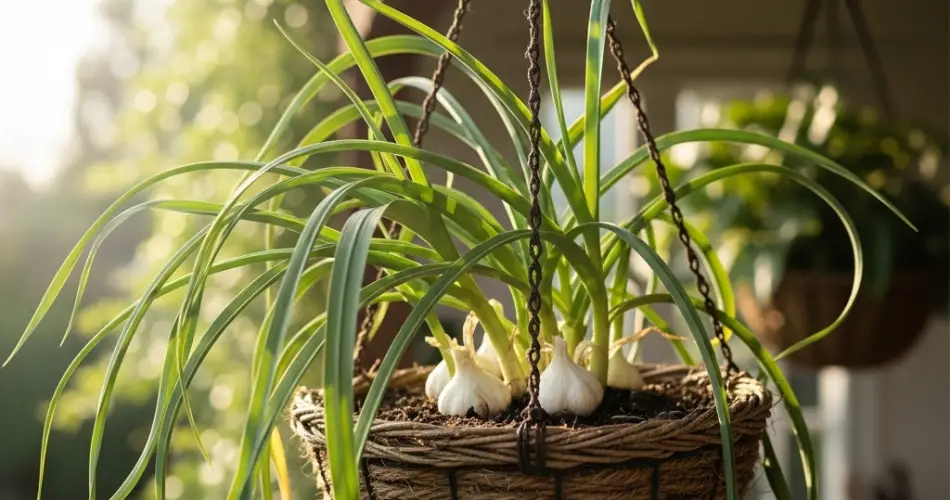
Garlic is a staple in kitchens worldwide, prized for its robust flavor, aroma, and numerous health benefits. Growing garlic at home not only provides a continuous supply of fresh bulbs but also allows gardeners to control soil quality and cultivation methods. For those with limited space, basket gardening offers an efficient and attractive way to grow garlic. Baskets provide excellent drainage, portability, and soil control, making them ideal for patios, balconies, or small garden plots. This guide outlines how to plant, care for, and harvest garlic in baskets for maximum yield.
Why Grow Garlic in Baskets
Basket gardening offers several advantages for cultivating garlic:
-
Space-Efficient: Ideal for small patios, balconies, and urban gardens where traditional garden beds may not fit.
-
Improved Drainage: Baskets prevent waterlogging, which is critical for garlic bulbs to prevent rot.
-
Mobility: Easily move baskets to maximize sunlight exposure or shelter plants during extreme weather.
-
Aesthetic Appeal: Baskets add rustic charm to your outdoor space while keeping garlic organized and accessible.
Choosing Garlic Varieties
Garlic comes in two main types: softneck and hardneck. Both can be grown successfully in baskets, but choosing the right variety depends on space, climate, and culinary preferences:
-
Softneck Garlic: Ideal for warmer climates, produces long-lasting bulbs with multiple cloves, and stores well. Varieties include ‘California Early’ and ‘Silverskin.’
-
Hardneck Garlic: Prefers cooler climates, produces fewer but larger cloves with a robust flavor. Varieties include ‘Rocambole’ and ‘Purple Stripe.’
For basket gardening, compact and slow-growing varieties are preferred to avoid overcrowding.
Selecting and Preparing Baskets
Choose a basket that is sturdy and deep enough to hold soil and water while supporting the garlic bulbs. A diameter of 12–14 inches and a depth of at least 10 inches is recommended. Baskets made from plastic, resin, or woven materials work well.
Ensure proper drainage by selecting baskets with holes or slats at the bottom. Line the basket with coconut coir, burlap, or landscape fabric to retain soil while allowing excess water to escape. Proper drainage is critical to prevent bulb rot and promote healthy root development.
Preparing the Soil
Garlic thrives in nutrient-rich, well-draining soil. A recommended soil mix for baskets includes:
-
High-quality potting soil
-
Compost or well-rotted organic matter for nutrients
-
Perlite or coarse sand to improve drainage and aeration
Avoid using heavy garden soil, which can compact in baskets and restrict root growth. Garlic prefers slightly acidic to neutral soil, with a pH of 6.0–7.0. Incorporating a slow-release fertilizer at planting helps provide essential nutrients for robust bulb formation.
Planting Garlic in Baskets
To plant garlic:
-
Separate bulbs into individual cloves, keeping the papery skins intact.
-
Fill the basket with prepared soil, leaving about 2 inches from the top.
-
Plant each clove upright (pointed end up) about 2 inches deep and 4–6 inches apart.
-
Water gently to settle the soil and maintain consistent moisture.
Spacing is critical for bulb development. Compact planting can reduce airflow and slow growth, so ensure each clove has enough room to mature.
Sunlight and Temperature
Garlic grows best in full sun, requiring at least 6–8 hours of direct sunlight daily. Place baskets in a sunny location, whether on a balcony, patio, or rooftop. Garlic prefers cooler temperatures during the early growing phase (50–70°F or 10–21°C) and can tolerate warmer conditions as bulbs mature.
Watering and Care
Consistent moisture is essential during the early growth phase, but avoid waterlogging, which can rot bulbs. Water baskets regularly, ensuring the soil remains evenly moist. Mulching with straw or small bark chips helps retain moisture, suppress weeds, and regulate soil temperature.
Fertilize garlic every 3–4 weeks with a balanced, water-soluble fertilizer to support strong leaf and bulb development. Avoid excessive nitrogen late in the season, as this can reduce bulb storage life.
Harvesting Garlic
Garlic is ready to harvest when leaves begin to yellow and dry, usually 8–10 months after planting, depending on the variety. Carefully lift bulbs from the soil using a small garden fork, taking care not to bruise them. Allow bulbs to cure in a dry, shaded area for 2–3 weeks to enhance storage life.
Benefits of Basket Gardening for Garlic
-
Efficient use of limited space
-
Better control of soil quality and drainage
-
Portability for optimal sunlight or protection from weather
-
Continuous supply of fresh, homegrown garlic
-
Attractive and organized addition to outdoor spaces
Final Thoughts
Growing garlic in baskets is a practical, space-efficient, and rewarding method for home gardeners. By selecting the right variety, providing nutrient-rich, well-draining soil, and maintaining consistent care, you can enjoy a reliable supply of fresh, flavorful bulbs. Baskets make garlic cultivation accessible for small spaces while adding charm to your garden. With proper planting, watering, and harvesting techniques, basket-grown garlic becomes a convenient, productive, and visually appealing addition to any home garden.


