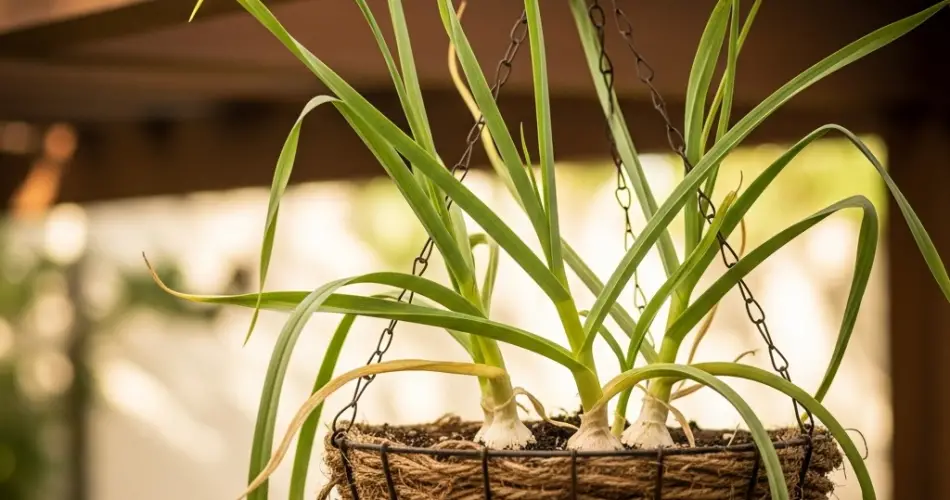
Garlic is a kitchen staple celebrated for its distinctive flavor, culinary versatility, and numerous health benefits. Growing your own garlic not only ensures a fresh, potent supply but also allows you to experience the satisfaction of harvesting your own bulbs. While traditionally cultivated in garden beds, garlic adapts exceptionally well to container gardening. Woven baskets, in particular, provide an ideal solution for small spaces, patios, or balconies.
By using woven baskets, you can grow garlic in a compact, decorative setup that combines practicality with style. This method allows for proper drainage, aeration, and accessibility, making it perfect for both novice and experienced gardeners.
Why Woven Baskets Are Ideal for Garlic
Garlic thrives in containers because it prefers loose, well-drained soil and consistent care. Woven baskets offer several advantages:
-
Good drainage: The porous structure prevents water from pooling around the roots, reducing the risk of rot.
-
Air circulation: Breathable sides improve soil aeration, promoting strong bulb development.
-
Space-saving: Perfect for urban settings or small outdoor areas.
-
Visual appeal: Natural woven textures add charm to your balcony, patio, or garden corner.
These features make woven baskets a practical and attractive choice for garlic cultivation, allowing for healthy growth even in limited spaces.
Choosing the Right Basket
Selecting an appropriate basket is crucial for successful garlic growth.
-
Size: A basket 10–12 inches deep and 12–14 inches wide provides adequate space for bulbs to form.
-
Material: Natural woven baskets lined with coconut coir or burlap work best. Plastic baskets can also be used if properly lined and drained.
-
Support: If hanging, ensure that the hook and chain can support the weight of wet soil.
-
Drainage: Adequate drainage holes or lining material are essential to prevent soggy soil.
A properly chosen basket creates a stable, breathable environment for garlic roots to thrive.
Preparing the Basket and Soil
Before planting, it’s important to prepare the basket to retain soil and provide nutrients.
-
Lining: Use a coconut coir or burlap liner to keep soil in place while allowing water to drain.
-
Drainage layer: A thin layer of gravel or small stones at the bottom can enhance drainage.
-
Soil mix: Use lightweight, nutrient-rich potting soil mixed with compost for fertility. Adding perlite or vermiculite improves aeration.
Well-prepared soil ensures strong bulb development and a healthy, productive crop.
Planting Garlic
Garlic is grown from individual cloves rather than seeds.
-
Selecting cloves: Choose firm, healthy cloves from organic or disease-free bulbs.
-
Planting depth: Plant each clove 2 inches deep, with the pointed end facing up.
-
Spacing: Leave 4–6 inches between cloves to allow room for bulb expansion.
For a continuous supply, stagger planting every few weeks or in different baskets for successive harvests.
Light and Temperature Requirements
Garlic grows best in full sun with moderate temperatures.
-
Sunlight: Provide at least 6 hours of direct sunlight per day.
-
Temperature: Garlic prefers cooler growing conditions initially (50–60°F / 10–15°C) and warmer conditions as bulbs mature.
-
Placement: For baskets on patios or balconies, ensure exposure to adequate sunlight while avoiding overly hot or windy spots.
Sunlight and proper temperature are crucial for strong foliage and well-developed bulbs.
Watering and Care
Consistent moisture is key, but garlic does not tolerate waterlogged soil.
-
Watering schedule: Water when the top inch of soil feels dry. Keep soil evenly moist, especially during bulb formation.
-
Mulching: A layer of straw or shredded leaves helps retain moisture and moderate soil temperature.
-
Weeding: Remove any competing weeds promptly to ensure nutrient availability.
Balanced watering and proper care encourage healthy leaves and large, flavorful bulbs.
Fertilizing Garlic
Garlic benefits from supplemental feeding during growth:
-
Nitrogen-rich fertilizer: Apply a balanced liquid fertilizer every 3–4 weeks to promote leafy growth.
-
Organic alternatives: Compost or diluted fish emulsion supports nutrient uptake naturally.
Regular feeding ensures strong foliage, which is essential for fully developed bulbs.
Harvesting Garlic
Garlic is ready to harvest when leaves start to yellow and dry, typically 8–10 months after planting.
-
Timing: Harvest before all leaves turn brown to prevent over-drying.
-
Method: Gently lift bulbs from the soil using a hand fork, taking care not to bruise them.
-
Curing: Hang bulbs in a dry, airy location for 2–3 weeks to allow skins to harden before storage.
Proper harvesting and curing maximize flavor and shelf life.
Common Issues
-
Overwatering: Can cause bulbs to rot; adjust watering schedule if soil remains soggy.
-
Pests: Onion flies or aphids may appear; natural sprays like neem oil or soapy water can control them.
-
Nutrient deficiency: Yellowing leaves may indicate lack of nitrogen; apply fertilizer as needed.
Monitoring and timely care ensures a successful garlic harvest in baskets.
Final Thoughts
Growing garlic in woven baskets is a practical and visually appealing method for small-space gardeners. With proper basket selection, nutrient-rich soil, consistent watering, and careful harvesting, you can enjoy fresh, flavorful garlic right at home.
This approach combines efficiency, charm, and nutrition, making it possible to cultivate a staple kitchen ingredient even without traditional garden space. With a little attention and patience, your woven basket garlic garden can provide a steady supply of aromatic bulbs all year long.


